
Beyond the Surface: Managing Instrument Sets with Visible Rust Stains
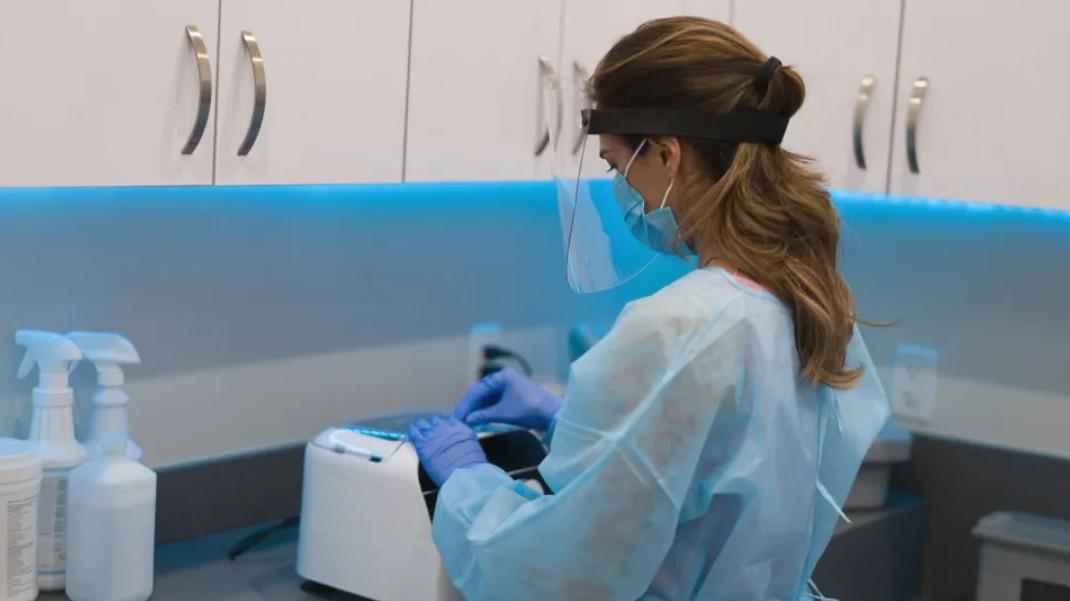
In the high-stakes environment of a sterile processing department, the condition of an instrument set upon arrival is the first indicator of the quality of patient care to follow. Rust stains, while often dismissed as mere cosmetic blemishes by the uninitiated, represent a significant clinical risk. Corrosion is a sign of improper cleaning, inadequate drying, or the use of incompatible chemicals during the decontamination process. When an instrument set arrives with visible rust, it is not just an aesthetic issue; it is a breach of the integrity of the medical device. Rust on a surgical instrument can harbor bacteria that are notoriously difficult to eliminate through standard sterilization processes. Furthermore, the presence of oxidation can lead to pitting, which weakens the structural integrity of the instrument and can cause it to fail during a critical surgical procedure.
Immediate Assessment and Containment Protocols
When a technician identifies visible corrosion on an instrument set, the immediate response must be one of containment. The set must be removed from circulation instantly to prevent it from reaching the sterile storage area or, worse, the operating room. Documentation is the next essential step. Every instance of corrosion should be logged with detail—noting the specific instrument, the type of staining, and if possible, identifying the stage in the processing lifecycle where the damage likely originated. By isolating the set and initiating a formal investigation, the department takes control of the situation, preventing a potential surgical complication. This requires a sharp eye and a deep understanding of device life cycles. Technicians who have completed a formal sterile processing technician course are specifically trained to execute these containment protocols with precision, ensuring that the safety of the patient remains the absolute priority while managing the logistical disruption that a contaminated set inevitably creates.
Investigating the Root Cause of Oxidation
Managing rust is a reactive process, but preventing it is a science. Visible rust is almost always a symptom of a breakdown in the cleaning, disinfection, or drying stages. In many cases, the culprit is residual moisture left on the instruments before they were placed in the autoclave, as steam sterilization, while effective, can accelerate oxidation if moisture was already present. Other times, the use of harsh, non-pH-neutral detergents or exposure to abrasive scrubs can strip away the passive layer of the stainless steel, leaving the metal vulnerable to oxidation. A thorough root cause analysis must be conducted: is the water quality in the decontamination area suboptimal? Are the automated washers performing at peak efficiency? These investigative skills are the hallmark of an advanced sterile processing expert. It is precisely this kind of technical mastery—understanding the chemical and mechanical factors at play—that is cultivated during an accredited sterile processing technician course.
Implementing Preventive Maintenance Standards
Once the immediate issue is contained and the root cause identified, the department must pivot to preventive maintenance. This involves rigorous inspection protocols where every instrument in a set is checked under magnification, if necessary, to detect the early onset of pitting or staining. Technicians should ensure that instrument lubricants are being used correctly, as high-quality milk baths help maintain the protective oxide layer of surgical steel. Furthermore, the drying phase should be strictly audited; automated drying systems must be calibrated to ensure that instruments emerge bone-dry before the packaging stage. By standardizing these maintenance tasks, the department not only extends the life of their expensive surgical assets but also minimizes the frequency of instrument turnover. The discipline required to maintain these high standards is a key learning outcome of a professional sterile processing technician course, which emphasizes that consistency in maintenance is the only way to ensure clinical safety in a busy medical environment.
The Professional Evolution of the Technician
The role of the sterile processing technician has evolved significantly over the last decade. It is no longer just about washing and wrapping; it is about clinical risk management, mechanical knowledge, and meticulous attention to regulatory standards. Managing a set with visible rust stains is a test of a technician’s knowledge and their commitment to patient safety. Those who choose to view their role as a career, rather than just a job, will inevitably seek out deeper knowledge. The ability to advocate for the decommissioning of a set, the ability to work with surgeons to ensure instrument availability, and the ability to train new staff in corrosion prevention all come from a foundation of rigorous training. Enrolling in a sterile processing technician course is the most effective way to signal to peers and administration that you are a serious professional dedicated to the highest possible standards of hospital-wide sterilization excellence.
Upholding Excellence in Sterile Services
Every instrument that leaves the sterile processing department is a surrogate for the technician who prepared it. When you handle an instrument set, you are effectively signing off on its safety. Dealing with rust stains is a challenge that demands patience, expertise, and a refusal to cut corners. By committing to standard operating procedures and advocating for the best practices in cleaning and drying, technicians play an invaluable role in the hospital ecosystem. This is a field that offers deep professional satisfaction for those who care about the details. As you continue to refine your skills, remember that your formal training is your most reliable tool.

 Arabic
 French
 Spanish
 Portuguese
 Deutsch
 Turkish
 Dutch
Dutch
 Italiano
 Russian
 Romaian
 Portuguese (Brazil)
 Greek
Greek