
Building Automation System Market Growth Driven by Smart Infrastructure and Connected Building Technologies
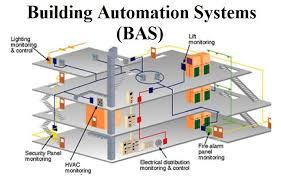
The rapid evolution of modern architecture is increasingly driven by the imperative for operational efficiency, sustainability, and heightened occupant comfort. At the core of this transformation lies intelligent facility management, where centralized control architectures orchestrate heating, ventilation, air conditioning, lighting, and security operations. Organizations world-over are recognizing that legacy manual controls are no longer viable in an era characterized by escalating energy costs and strict environmental compliance mandates. By integrating complex sensor networks with advanced software platforms, enterprises can monitor environmental parameters in real time, dramatically optimizing energy consumption while reducing operational expenditures. The convergence of digital infrastructure with physical building hardware has fundamentally redefined commercial real estate standards. As urban densities rise and smart city initiatives gain momentum across global metropolitan areas, adoption rates for integrated control systems continue to accelerate. Facility managers and real estate developers are leveraging these automated frameworks not merely as operational upgrades, but as strategic assets designed to maximize long-term asset value, lower carbon footprints, and ensure optimal indoor environmental quality for occupants. Exploring the comprehensive Building Automation System Market Trends provides vital clarity on how smart technologies are continuously transforming modern commercial and industrial infrastructure across key international sectors.
Concurrently, technological breakthroughs in artificial intelligence, machine learning, and IoT hardware are unlocking unprecedented levels of predictive maintenance and automated dynamic adjustment. Rather than relying on rigid static scheduling, contemporary automated control architectures continuously adjust energy distribution based on real-time occupancy patterns, external weather dynamics, and grid demand-response signals. This dynamic adaptability not only prevents unnecessary energy usage but also extends the operational lifespan of expensive mechanical equipment by minimizing wear and tear. Additionally, post-pandemic health protocols have elevated the importance of indoor air quality monitoring and advanced ventilation controls, further solidifying the necessity of centralized digital monitoring tools. Despite initial installation costs and potential interoperability challenges associated with retrofitting older properties, the long-term return on investment remains compellingly high. As regulatory frameworks regarding greenhouse gas emissions grow increasingly stringent across Europe, North America, and the Asia-Pacific region, commercial entities are compelled to adopt intelligent management solutions. The ongoing transition toward carbon-neutral built environments underscores the critical role played by unified hardware and software ecosystems in shaping the future landscape of urban property management worldwide.
How does automated building technology directly impact long-term corporate energy costs?
Automated systems optimize heating, cooling, and lighting schedules using real-time sensor data, eliminating baseline energy waste and significantly lowering utility bills over time.
What role does IoT integration play in modern facility management systems?
IoT connectivity allows distributed sensors to feed live data into centralized software, enabling predictive equipment maintenance, remote monitoring, and automated operational tweaks without human intervention.
➤➤➤Explore MRFR’s Related Ongoing Coverage In Semiconductor Industry:
Variable Reluctance Sensor Market
Video Conferencing Hardware Market
Voltage Regulator For Advanced Semiconductor Market
Wafer Cleaning Equipment Market
Wan Connected Returnable Transport Asset Tracking Market

 English
 Arabic
 Spanish
 Portuguese
 Deutsch
 Turkish
 Dutch
 Italiano
 Russian
 Romaian
 Portuguese (Brazil)
 Greek