
What Makes an Industrial Rotary Tool Different From Home Models?
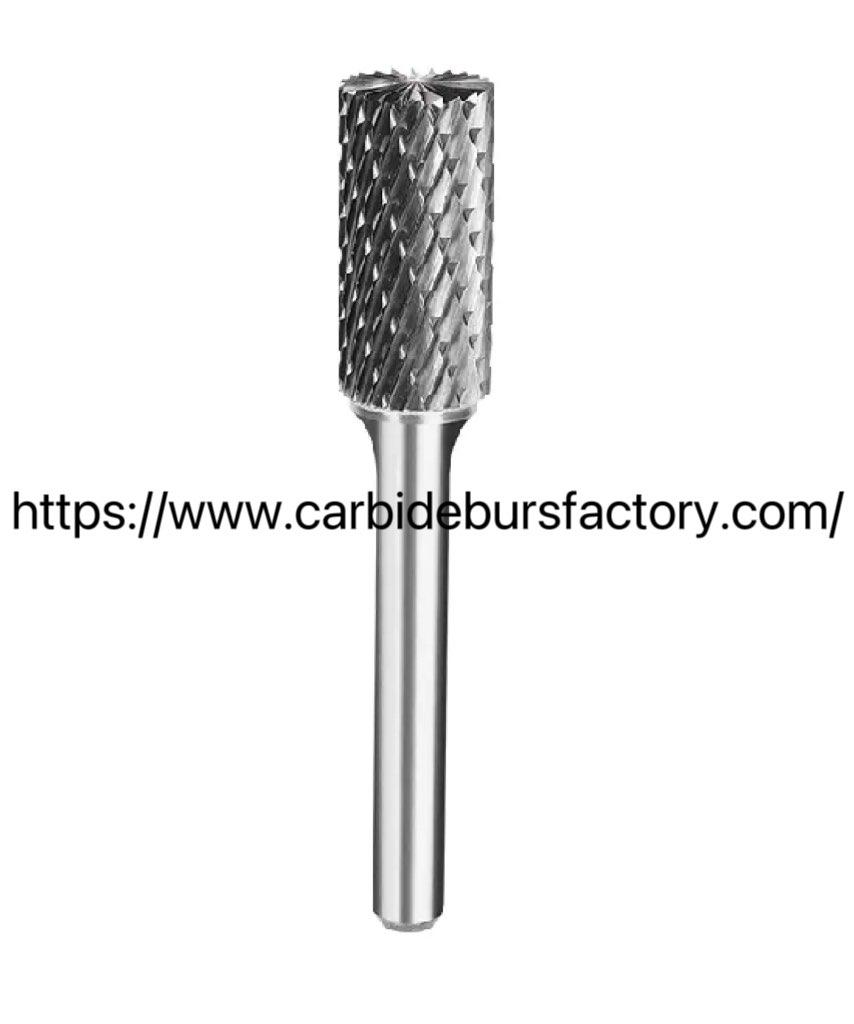
Industrial Rotary Tool selection should be based on the actual application rather than simply comparing product appearance or basic specifications. Buyers working in factories, workshops, repair facilities, and production environments need to consider operating frequency, material compatibility, speed adjustment, accessory requirements, handling, maintenance, and equipment conditions. Household users may only need equipment for occasional projects, while professional applications can involve repeated operation and different processing requirements. Understanding these differences can help purchasing teams communicate their needs more clearly with a manufacturer.
Define the Main Application
The intended application should be identified before comparing different configurations. Buyers should determine whether the equipment will be used for grinding, cutting, polishing, engraving, shaping, deburring, or another task.
Each operation can place different requirements on the equipment and accessories. A workshop focused on surface preparation may have different needs from one performing detailed shaping on small components.
A clear description of the intended work gives the manufacturer a useful starting point for discussing product specifications.
Estimate the Working Frequency
How often the equipment will be used can influence the purchasing decision. Occasional household projects may involve short operating sessions, while production work can require repeated use throughout the working day.
Buyers should therefore consider expected daily operating time, workload, production rhythm, and operator requirements.
This information can help determine what type of configuration is appropriate for the workplace. Instead of focusing only on rated specifications, buyers can explain the actual working schedule when requesting product information.
Identify the Materials
The material being processed is another important consideration. Metal, plastic, wood, composite materials, and other substrates can require different cutting or finishing approaches.
Buyers should provide the manufacturer with information about the material and the intended operation. If several materials will be processed, this should also be mentioned during the inquiry.
carbidebursfactory offers carbide cutting products and related configurations for applications involving different materials and machining requirements. Providing detailed material information can help buyers discuss suitable combinations more efficiently.
Review Speed Adjustment
Different tasks may require different operating speeds. Cutting, grinding, polishing, and detailed surface work do not necessarily involve the same working conditions.
Buyers should consider whether adjustable speed is useful for their application. They can also ask the manufacturer about recommended operating conditions for specific materials and accessories.
For production teams, it can be helpful to establish basic operating guidelines so that operators can select suitable settings for different tasks.
Examine Accessory Compatibility
Accessories can determine what kinds of work the equipment can perform. Buyers should identify the cutting heads, grinding components, polishing attachments, or other accessories they expect to use.
Compatibility between the equipment and accessories should be confirmed before purchasing. This is particularly important when a company plans to use several attachment types within the same workplace.
Purchasing teams can prepare a list of expected accessories and discuss them with the manufacturer instead of selecting the main unit separately.
Consider Operator Handling
Handling characteristics can affect the practical experience of using the equipment. Buyers should consider grip, weight, balance, control layout, and access to the workpiece.
For detailed machining tasks, operators may need precise movement and stable handling. For larger production tasks, working comfort and repeated operation may receive greater attention.
Where possible, buyers can evaluate samples or technical specifications according to the actual workflow before confirming a larger order.
Check Heat and Operating Conditions
Heat management can become relevant when equipment is operated repeatedly. Buyers should understand the manufacturers recommendations regarding operating intervals, ventilation, cleaning, and surrounding conditions.
The workplace itself should also be considered. Dust, temperature, ventilation, available power, and workspace arrangement may affect how equipment is used and maintained.
A purchasing checklist that includes these environmental factors can help companies prepare a more suitable operating plan.
Review Maintenance Requirements
Maintenance should be considered before the equipment enters regular production. Buyers can ask about cleaning, inspection, replacement components, lubrication where applicable, and service procedures.
Companies managing several units may also benefit from maintaining equipment records. Recording inspection dates, replacement parts, and service information can make future maintenance easier to organize.
Buyers should discuss available technical documentation and service arrangements with the manufacturer before placing an order.
Compare Different Configurations
A practical comparison should include more than purchase price. Buyers can review power requirements, speed adjustment, accessory compatibility, material suitability, operating frequency, maintenance needs, and workplace conditions.
It can also be useful to compare configurations according to specific applications rather than treating all products as interchangeable.
For distributors, purchasing several configurations for different customers may require an even more detailed comparison. Product codes, technical specifications, packaging, and application descriptions can help keep different options organized.
Discuss Requirements With the Manufacturer
A detailed inquiry can make communication more efficient. Buyers can provide information about the workpiece, material, machining task, expected usage frequency, accessories, operating environment, quantity, and equipment requirements.
carbidebursfactory can use this information as a reference when discussing product configurations and related carbide cutting solutions. Buyers can also provide drawings, photographs, or sample requirements when the application involves unusual dimensions or processing conditions.
Clear technical information at the beginning of a project can reduce misunderstandings and give both sides a practical basis for discussing production arrangements.
Build a Purchasing Checklist
Before confirming an order, buyers can organize their requirements into several categories: application, material, operating frequency, speed requirements, accessories, equipment compatibility, workplace conditions, maintenance, quantity, and packaging.
Keeping these details together can also help when purchasing teams compare several products for different departments or applications.For companies and distributors reviewing carbide cutting products and related configurations, https://www.carbidebursfactory.com/product/ provides a direct place to review available options from carbidebursfactory. Buyers can then prepare their application details and contact the manufacturer with specific requirements, making the product selection process clearer and more focused.

 English
 Arabic
 French
 Spanish
 Portuguese
 Deutsch
 Turkish
 Dutch
 Italiano
 Russian
 Portuguese (Brazil)
 Greek