
The Silent Sentinel: Understanding Why Daily Drain Line Cleaning is Critical in Sterile Processing
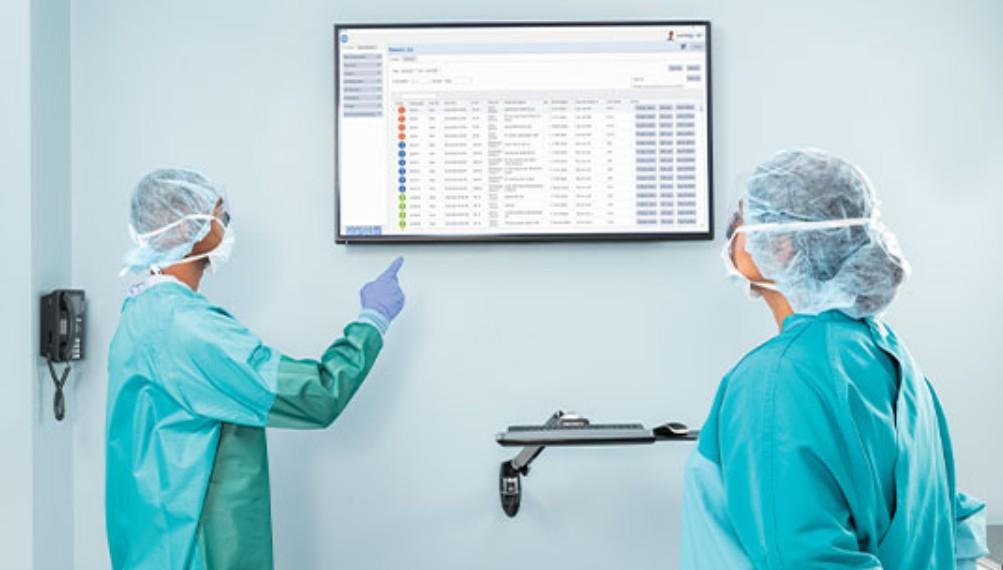
The modern sterile processing department (SPD) operates as a high-stakes environment where precision and standardized protocols dictate the success of every surgery performed within the hospital. Among the various pieces of sophisticated equipment, the steam sterilizer—or autoclave—stands as the primary tool for infection prevention. While many focus on the complexity of the sterilization cycles themselves, one of the most fundamental yet overlooked maintenance tasks is the daily cleaning of the chamber drain line. This seemingly simple procedure is the frontline defense against equipment failure and the unintended contamination of surgical tools.
The Physics of Condensate and Air Evacuation
To appreciate the necessity of drain cleaning, one must understand the physics of steam sterilization. The process is not just about heat; it is about the displacement of air and the efficient movement of condensate. During the pulse or vacuum phase, the sterilizer must remove all air to ensure that steam can penetrate every crevice of a wrapped instrument tray. The drain line acts as the only exit point for both the displaced air and the moisture (condensate) that accumulates when steam touches the cooler surfaces of instruments. If the drain line is restricted by buildup, the air cannot escape, creating cold pockets where steam never reaches. These pockets serve as a sanctuary for hardy bacteria. Understanding this delicate balance of temperature and pressure is a core competency taught within a sterile processing technician course, providing the insight needed to troubleshoot cycle failures effectively.
The Cumulative Impact of Bioburden and Mineral Deposits
Throughout a busy day in the operating theater and the SPD, the items passing through the sterilizer are not perfectly clean in a microscopic sense. Minute amounts of surgical residue, leftover lubrication, textile fibers from wrappers, and hard water minerals inevitably find their way into the chamber. As the sterilizer runs cycle after cycle, these remnants migrate toward the chamber drain. If left to accumulate, they form a thick, heat-resistant sludge that narrows the drain piping. This narrowing results in increased backpressure, which confuses the machine’s sensors and can trigger unnecessary cycle aborts. By performing a rigorous daily cleaning, a technician proactively prevents this "sludge" from becoming a permanent fixture in the plumbing. The discipline required to perform this maintenance correctly is a standard expectation in the field, further emphasized during a sterile processing technician course.
Mitigation of Equipment Strain and Operational Downtime
A steam sterilizer is a significant financial investment, and its mechanical health is directly tied to the cleanliness of its internal drainage system. When the drain line is clogged, the sterilizer’s vacuum pumps and heating elements are forced to work far beyond their design capacity to force air through a restricted pipe. This extra strain leads to premature mechanical wear, leading to costly and disruptive equipment downtime. Hospitals cannot afford to have a sterilizer out of commission due to preventable plumbing issues, as this creates a bottleneck that slows down the entire surgical schedule. Proactive cleaning is not just a cleaning chore; it is an essential aspect of hospital infrastructure management. Developing the professional mindset to treat this equipment with such care is one of the primary goals for students enrolled in a comprehensive sterile processing technician course, which prepares them for the rigors of hospital technical operations.
Upholding Regulatory Standards and Patient Safety
Finally, the importance of drain cleaning transcends machine maintenance and enters the realm of legal and ethical patient safety. Accreditation bodies, such as The Joint Commission or equivalent healthcare regulators, scrutinize maintenance logs as evidence of a department's commitment to quality assurance. If an instrument set is found to be contaminated and an investigation reveals that the drain line had been ignored for weeks, the facility faces serious liability. Daily cleaning logs serve as a legal record that the facility is adhering to the manufacturer’s instructions for use (IFU). Technicians are the final line of defense against surgical site infections, and their adherence to these protocols is what keeps patients safe.

 English
 Arabic
 Spanish
 Portuguese
 Deutsch
 Turkish
 Dutch
Dutch
 Italiano
 Russian
 Romaian
 Portuguese (Brazil)
 Greek
Greek