
Why Consider Practical Leisure Chair For Outdoor Projects
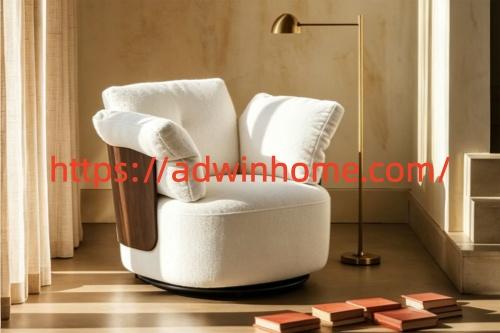
Practical Leisure Chair buyers often need to consider much more than appearance when selecting seating for residential interiors, hospitality areas, balconies, terraces, lounges, waiting spaces, or commercial environments. Dimensions, materials, structure, comfort, surface treatment, maintenance, customization, packaging, and delivery arrangements can all influence the purchasing decision. Reviewing these elements before placing an order can help buyers communicate their expectations clearly and select a product that fits the intended application.
The first consideration is usually the environment where the furniture will be used. Indoor areas may have different material and finishing requirements from patios, garden spaces, balconies, or covered terraces. Buyers should think about available floor space, surrounding furniture, user movement, and the overall atmosphere they want to create. Measuring the installation area in advance can also help avoid issues caused by unsuitable proportions.
Material selection is another important point. Different materials can provide different textures, visual effects, maintenance requirements, weights, and production characteristics. Buyers may consider fabric, wood, metal, plastic, or combinations of several materials depending on the project. Surface treatment can also affect the appearance and daily maintenance process, so requesting samples can be useful before confirming a larger production quantity.
Comfort should be considered alongside visual design. Seat height, back support, cushioning, armrest placement, and overall proportions can influence the experience of different users. For projects where furniture will be used for extended periods, buyers may want to provide specific requirements related to seating posture and cushioning. These details can give the manufacturer a clearer direction during design discussions.
Construction details deserve attention as well. Buyers can ask how the frame is assembled, how different components are connected, and which areas require additional reinforcement. The intended environment and frequency of use can help determine which structural considerations deserve greater attention. Reviewing drawings or samples before production may make it easier to identify adjustments at an early stage.
Color and finishing options can also play an important role in furniture collections. A brand may need several products to maintain a coordinated appearance across a showroom, hotel, restaurant, residential development, or outdoor project. Buyers can provide color references, material samples, surface requirements, or visual references during communication. Clear specifications help both sides work from the same expectations.
Customization can be useful when standard dimensions do not match a particular project. Buyers may discuss changes to size, materials, colors, cushioning, decorative elements, or finishing details. Custom requirements should be confirmed carefully because they can influence production preparation, sample development, material purchasing, and packaging arrangements.
Order quantity and delivery planning should also be discussed early. Buyers with wholesale requirements can provide estimated quantities and preferred delivery windows during the quotation stage. This information allows manufacturers to review production planning and material preparation. Packaging should also be considered, particularly when furniture needs to travel long distances. Suitable protection, package dimensions, assembly requirements, and loading arrangements can all affect transportation planning.
Another useful step is sample evaluation. A physical sample can help buyers examine proportions, surface texture, color, construction, cushioning, and finishing details in greater detail than photographs alone. If adjustments are necessary, they can be discussed before larger scale production begins. This approach can make the communication process more structured and help both parties confirm the intended specifications.
For brands developing a coordinated furniture collection, manufacturers can discuss product specifications, material choices, finishing requirements, customization details, and production considerations according to different project needs. Buyers interested in reviewing available furniture products can visit https://adwinhome.com/ as part of their sourcing process. Combining clear requirements with direct manufacturer communication can help create a smoother path from product selection to final delivery.

 English
 Arabic
 French
 Portuguese
 Deutsch
 Turkish
 Dutch
 Italiano
 Russian
 Romaian
 Portuguese (Brazil)
 Greek