
Intelligent Automation for Modern Syringe Manufacturing
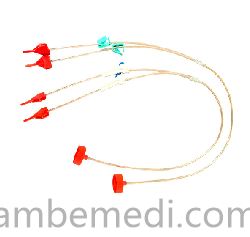
As medical manufacturing becomes increasingly automated, production systems are expected to provide not only higher efficiency but also stronger process consistency and quality visibility. A Fully Automated Production Line for Syringes can integrate component feeding, assembly, inspection, transfer, and production monitoring into a coordinated manufacturing environment. This integrated approach helps manufacturers manage repetitive operations while maintaining greater control over the overall production process.
Syringes are assembled from several components that must interact correctly during use. Depending on the product design, these may include barrels, plungers, seals, protective elements, and other associated parts. Each component may have different physical characteristics, which makes controlled feeding and positioning essential. Automated handling equipment can organize these components before assembly and reduce unnecessary manual intervention.
Material selection and handling are closely connected to production quality. Medical syringe components are commonly manufactured from engineered materials selected for functional and manufacturing requirements. Rigid molded parts need stable positioning, while flexible sealing components require careful feeding and placement. Automated systems can use dedicated mechanisms for different component types, helping maintain an orderly material flow throughout the line.
A major strength of integrated automation is synchronization. Individual assembly processes can be linked through sensors, programmable controls, and coordinated mechanical systems. When one station completes its operation, the next stage can receive the component according to the predefined process sequence. This reduces dependence on manual transfer and can create a more predictable production rhythm.
Inspection technologies can strengthen quality management at several points in the manufacturing process. Machine vision can assist with visual inspection, while sensors can monitor component presence, positioning, or process conditions. Detecting an issue earlier allows manufacturers to isolate affected products and investigate potential causes before the same deviation affects a larger quantity of production.
Digital traceability is also becoming an important part of modern medical manufacturing. Automated production systems can record process events, inspection information, equipment conditions, and production data. These records provide useful evidence for internal quality management and process optimization. When production information is connected across multiple stations, manufacturers gain a clearer view of how individual operations influence overall output.
Safety should remain an integral part of equipment design. Automated syringe production involves moving mechanisms, component feeding, transfer systems, and inspection equipment. Proper guarding, safety sensors, emergency controls, and organized operator interfaces can help protect personnel while maintaining efficient access for necessary maintenance and supervision. Automation can also reduce repetitive manual contact with components during production.
Clean manufacturing practices require equally careful planning. Equipment structures and component transfer paths should be designed with the production environment in mind. Minimizing unnecessary accumulation areas and organizing material movement can support better production management. The specific approach should be adapted to the manufacturing environment and applicable quality requirements.
Production flexibility is another consideration for manufacturers. Medical product portfolios can change as healthcare requirements evolve, and manufacturers may need to support different syringe configurations or production arrangements. Modular equipment architecture and programmable controls can make selected process adjustments more manageable. Flexible systems can therefore provide greater value over the equipment lifecycle.
Maintenance and operational monitoring contribute to long-term reliability. A highly automated production line depends on mechanical components, sensors, electrical systems, and control software working together. Preventive maintenance programs can help manufacturers identify wear or abnormal conditions before they develop into larger interruptions. Production data can also support maintenance planning by showing equipment performance over time.
Automation also changes the role of production personnel. Instead of concentrating primarily on repetitive assembly tasks, operators can increasingly focus on equipment monitoring, quality verification, troubleshooting, and process improvement. This shift encourages manufacturers to develop stronger technical skills while retaining human oversight of critical production decisions.
When selecting a Fully Automated Production Line for Syringes, manufacturers should evaluate more than individual assembly functions. Feeding, component compatibility, process synchronization, inspection, traceability, safety, maintenance, flexibility, and future integration should be considered as one complete manufacturing strategy. Such an approach can help create a production environment that is more organized, measurable, and adaptable.
AMBE TRADE works around automation concepts that connect manufacturing technology with the practical requirements of medical production. As intelligent manufacturing continues to influence healthcare supply chains, integrated equipment can support better process visibility and more consistent production management. Businesses seeking further information about relevant automation solutions can visit https://www.ambemedi.com/product/.

 Arabic
 French
 Spanish
 Portuguese
 Deutsch
 Turkish
 Dutch
 Italiano
 Russian
 Romaian
 Portuguese (Brazil)
 Greek