
How Can Qinlang Square Axial Fan Factory Help Manage Workshop Airflow
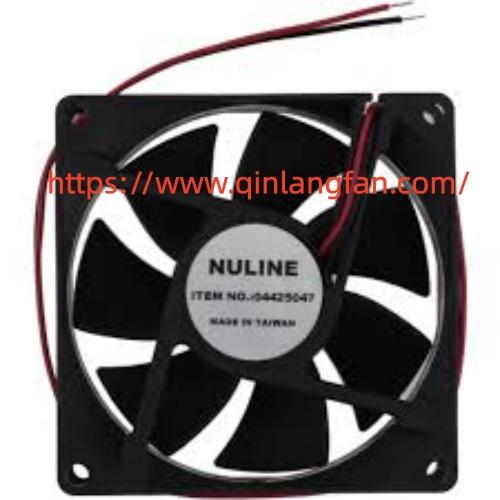
Square Axial Fan Factory selection can have a direct effect on how an industrial ventilation system handles heat, stale air, equipment cooling, and everyday air exchange. A fan may look suitable from a catalogue image, but the real question is how it behaves after installation. Room size, airflow direction, operating hours, mounting position, motor requirements, and surrounding equipment all influence the result. For buyers, working with a manufacturer that understands these details can make the planning process much easier.
Industrial spaces rarely have identical ventilation needs. A workshop with several machines producing heat has a different airflow pattern from a warehouse storing temperature sensitive goods. An equipment room may need focused cooling around cabinets, while a production area may need broader circulation. This is why fan selection should begin with the actual working environment rather than simply choosing a familiar model.
Air volume is one of the practical details worth checking early. If the required airflow is underestimated, warm air may remain around machinery or working areas. If the equipment is unnecessarily large, energy use and installation requirements may increase without providing a useful benefit. A sensible selection considers the amount of air that needs to move and the resistance created by grilles, shutters, filters, ducts, or other components.
The physical shape of a square housing can also make installation more convenient in certain projects. A flat frame can suit wall openings, panels, equipment enclosures, and other areas where available space has a defined rectangular footprint. Qinlang offers several square form models, including options designed around airflow, lower noise, lower vibration, industrial use, and different installation requirements.
Motor selection deserves attention as well. Industrial ventilation equipment may operate for long periods, so buyers should consider rated power, voltage, speed, operating frequency, and expected working conditions. These details affect how the fan integrates with the existing electrical system and how it behaves during regular operation. Matching the motor to the application can also make later maintenance and replacement planning more straightforward.
Noise and vibration are easy to overlook during purchasing because they are difficult to judge from a product specification alone. Yet a fan installed near workers, offices, control rooms, or sensitive machinery can make these factors important. Qinlang provides models with different noise and vibration characteristics, giving buyers more flexibility when the surrounding environment requires careful equipment selection.
Manufacturing experience also matters when a project involves repeated orders or different models for several facilities. Consistent production processes can help buyers maintain similar specifications across equipment batches. At the same time, a manufacturer with a broader product range can make it easier to compare different airflow capacities, dimensions, motors, and installation arrangements without rebuilding the entire sourcing process.
Another point is maintenance. Industrial ventilation equipment collects dust and can operate in demanding environments. Accessible components, suitable protective structures, and a sensible installation position can make inspection and cleaning easier. A well planned system should leave enough room for technicians to check moving parts, electrical connections, and surrounding components without unnecessary disruption.
Qinlang manufactures fans and air cooling equipment for industrial manufacturing and construction applications, with product categories covering axial fans, inline duct fans, centrifugal fans, and other ventilation equipment. Its square form range includes models for industrial ventilation, equipment cooling, air circulation, and related applications.
For buyers planning a new ventilation project, the useful approach is to start with the working conditions, define the airflow target, check installation dimensions, review motor requirements, and then compare suitable configurations. This sequence keeps the purchasing decision connected to the actual application instead of relying on appearance or a single specification.
A ventilation system should work as part of the space around it. When the fan, opening, airflow path, electrical supply, and maintenance plan are considered together, the final installation is easier to manage and adjust. Buyers looking at Qinlang products can review the available range and product details at https://www.qinlangfan.com/product/ to compare options for different industrial ventilation needs.

 Arabic
 French
 Spanish
 Portuguese
 Deutsch
 Turkish
 Dutch
 Italiano
 Russian
 Romaian
 Portuguese (Brazil)
 Greek