
Piezoelectric Devices Market Outlook: Emerging Technologies Driving Long-Term Industry Growth
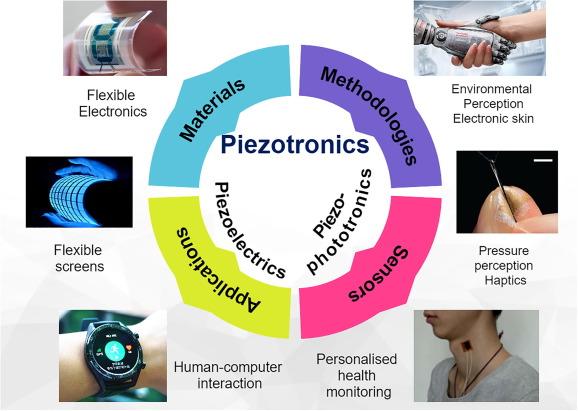
The global industrial landscape is experiencing a profound paradigm shift towards high-precision automation, energy efficiency, and advanced sensing technologies, positioning piezoelectric materials at the very core of modern engineering innovations. Piezoelectric devices, which leverage the electromechanical interaction between mechanical stress and electrical voltage, have become indispensable components across diverse sectors including healthcare, automotive, aerospace, industrial automation, consumer electronics, and defense. The increasing demand for precise motion control, real-time diagnostic systems, and structural health monitoring has significantly boosted adoption rates. In medical applications, these materials enable high-resolution ultrasound imaging, therapeutic ultrasonic equipment, and precise surgical instruments, while in the automotive domain, they drive fuel injectors, ultrasonic sensors for autonomous driving, and vibration monitoring systems. Furthermore, the burgeoning Internet of Things ecosystem and the growth of smart infrastructure have catalyzed demand for micro-electromechanical systems and energy-harvesting modules that harvest ambient mechanical vibrations into usable electrical energy. Modern manufacturing processes are increasingly integrating piezoelectric actuators and sensors to achieve sub-micron precision, lower power consumption, and enhanced operational durability. As consumer demand for smart, compact, and energy-efficient electronic devices expands globally, key industry stakeholders are actively directing substantial capital towards research and development initiatives. Consequently, dynamic shift towards automation combined with continuous material innovations continues to fuel the expansion of the Piezoelectric Devices Market Analysis.
Looking ahead, the long-term outlook for piezoelectric technology is shaped by rapid advancements in material science, particularly the development of lead-free piezoelectric ceramics, flexible polymer composites, and high-temperature single crystals. Environmental regulations, such as Restriction of Hazardous Substances, have accelerated the transition away from traditional lead zirconate titanate ceramics toward eco-friendly alternatives like potassium sodium niobate and bismuth sodium titanate. Simultaneously, the integration of additive manufacturing techniques allows for complex three-dimensional piezoelectric geometries that were previously impossible to fabricate using conventional machining methods. Geographically, Asia-Pacific remains a dominant production and consumption hub due to robust electronics manufacturing bases in China, Japan, South Korea, and Taiwan, along with expanding automotive assembly lines across India and Southeast Asia. North America and Europe maintain significant market presence driven by heavy investments in aerospace engineering, medical device technology, and defense systems. Key industry players are strategically pursuing mergers, acquisitions, and technology transfer agreements to solidify their market positions and expand product portfolios. As dynamic cross-industry applications emerge, particularly in wearable health monitors, acoustic energy harvesters, and structural health monitoring systems for smart cities, the sector demonstrates strong resilience, continuous technological innovation, and significant long-term growth opportunities across developed and emerging economies worldwide.
FAQ 1: What are the primary applications driving the growth of piezoelectric devices?
Piezoelectric devices are widely used in medical ultrasound equipment, automotive fuel injectors, industrial ultrasonic sensors, aerospace structural monitoring, and consumer electronics like buzzers and energy harvesters.
FAQ 2: Why is the transition to lead-free piezoelectric materials important?
Lead-free materials comply with global environmental regulations such as RoHS, reducing toxicity and environmental hazards associated with lead zirconate titanate while maintaining high electromechanical performance.
➤➤➤Explore MRFR’s Related Ongoing Coverage In Semiconductor Industry:
Advanced Metering Infrastructure Market
Process Automation And Instrumentation Market
Network Security Appliance Market
Cable Management Accessories Market
5G Fixed Wireless Access Market

 English
 Arabic
 French
 Spanish
 Portuguese
 Deutsch
 Turkish
 Dutch
 Italiano
 Russian
 Romaian
 Portuguese (Brazil)