
E-Waste Disposal Market Future: Opportunities, Challenges, and Recycling Technology Trends
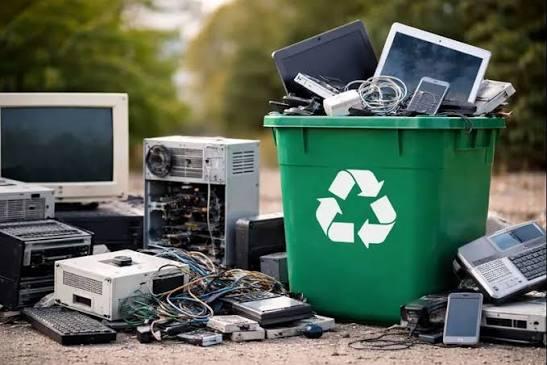
The rapidly escalating volume of discarded electronics worldwide has placed significant pressure on global waste management systems, pushing sustainability to the forefront of corporate and governmental agendas. Rapid technological advancements, shortened product lifecycles, and consumer demand for next-generation devices continuously fuel the surge in discarded hardware. Addressing this issue requires a comprehensive evaluation of current infrastructure capabilities, policy enforcement, and circular economy strategies. Stakeholders across various industries must collaborate to create standardized frameworks that facilitate safe recycling, material recovery, and responsible disposal methods. As regulations tighten globally, understanding the foundational drivers behind this evolving ecosystem becomes essential for policy makers and industry leaders alike. Organizations are increasingly evaluating their corporate social responsibility goals alongside regulatory compliance mandates to mitigate ecological hazards. Investing in advanced recycling facilities and upgrading logistics networks are pivotal steps toward establishing sustainable resource recovery pipelines. Furthermore, public awareness campaigns play a key role in encouraging responsible consumer disposal habits, ensuring that end-of-life electronics enter proper recycling streams rather than ending up in municipal landfills. To fully comprehend these structural shifts, reviewing a comprehensive E Waste Disposal Market analysis offers vital context regarding current operational practices, regulatory pressures, and long-term sustainability goals shaping the industry across key geographic sectors today.
Looking ahead, the integration of cutting-edge technology and innovative resource management models will fundamentally reshape how electronic components are handled at the end of their operational lifecycle. Modern processing facilities are adopting automation, robotics, and artificial intelligence to enhance sorting efficiency and recover valuable precious metals safely. This technological evolution reduces human exposure to hazardous materials while maximizing the economic yield of reclaimed resources like copper, gold, and rare earth elements. Furthermore, the implementation of extended producer responsibility frameworks forces manufacturers to design electronics with end-of-life disassembly in mind, fostering eco-design principles from the initial production stage. Cross-border trade regulations concerning hazardous waste movement also necessitate greater international cooperation and standardized compliance reporting. As public and private sector investments flow into e-waste processing infrastructure, new commercial models focused on urban mining and component refurbishment are gaining substantial traction. These shifting paradigms demonstrate that electronic waste management is no longer merely a regulatory compliance cost, but rather a vital component of the global transition toward a resource-efficient circular economy. Analyzing these multi-layered developments provides valuable perspectives for group discussions surrounding environmental stewardship, technological integration, and future resource security.
What is the primary factor driving the expansion of e-waste management operations globally?
The continuous rise in global electronic consumption, shortened product lifecycles, and stricter environmental regulations regarding toxic waste disposal are the main factors driving operational expansion worldwide.
How does improper electronic waste processing impact municipal environments?
Improper processing leads to severe soil and groundwater contamination due to heavy metals like lead and mercury, posing significant health hazards to local communities and ecosystems.
➤➤➤Explore MRFR’s Related Ongoing Coverage In Semiconductor Industry:
Electromagnetic Compatibility Filtration Market
Electromagnetic Field Meter Market
Electronic Gadget Insurance Market
Emergency Location Transmitter Market
Energy Efficient Lamps Ballast Market
Fiber Optic Pressure Sensor Market
Financial Crime Fraud Management Solution Market

 English
 Arabic
 Spanish
 Portuguese
 Deutsch
 Turkish
 Dutch
 Italiano
 Russian
 Romaian
 Portuguese (Brazil)
 Greek