
Fish Finder Market Size, Share, Trends, and Forecast Analysis
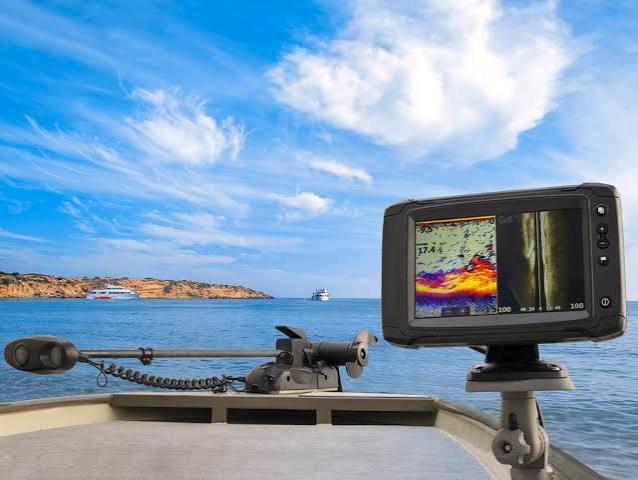
The marine sector is experiencing a profound transformation as traditional fishing methods yield to modern, technology-driven solutions designed to maximize catch efficiency and ensure sustainable aquatic resource management. Modern sonar systems and navigational electronics have evolved from basic depth sounders into highly sophisticated instruments capable of providing real-time, high-resolution imagery of underwater environments. Commercial fishing fleets, charter operations, and leisure anglers increasingly depend on these tools to accurately detect schools of fish, map underwater topography, and assess subsea structural dynamics. This fundamental shift in operational approach is drastically reducing search time, fuel consumption, and overall labor costs while simultaneously boosting yields. Furthermore, rapid urban development, changing dietary preferences toward protein-rich seafood, and expanding recreational marine tourism around the globe continue to catalyze strong interest across all market segments. Equipment manufacturers are responding to these growing requirements by integrating advanced transducers, artificial intelligence algorithms, multi-frequency capabilities, and seamless wireless mobile connectivity. As maritime trade routes expand and coastal economies place a stronger emphasis on modernizing their marine infrastructure, the reliance on high-performance echo-sounding gear will continue to strengthen globally. Stakeholders across the marine supply chain must closely analyze the evolving Fish Finder Market Analysis to understand shifting supply dynamics, competitive benchmarks, and technological adoption patterns.
Beyond standard vessel installations, the rising integration of smart maritime electronics is shaping long-term strategic decisions for both commercial operators and private recreational boating enthusiasts worldwide. Wireless networks, cloud-based data storage platforms, and real-time GPS mapping software now work in conjunction with subsea sensors, enabling operators to analyze historic logbooks, track environmental parameters like water temperature and salinity, and predict marine life movements with unprecedented accuracy. Regulatory bodies are also promoting eco-friendly practices to prevent overfishing, prompting manufacturers to engineer sonar units that reduce acoustic interference with protected marine species while maximizing targeted species identification. Concurrent investments in portable, battery-powered fish finding gadgets have unlocked massive opportunities among shore anglers, kayak fishermen, and ice fishing communities who previously lacked access to heavy vessel-mounted sonar setups. Supply chain resilience, microchip supply availability, and raw material pricing remain critical operational factors for hardware developers attempting to meet escalating global demand. Furthermore, strategic partnerships between marine hardware engineers and satellite software providers are driving next-generation hybrid systems capable of combining deep-water bathymetric imagery with real-time oceanographic satellite feeds. Navigating this dynamic hardware ecosystem requires continuous evaluation of manufacturing capabilities, pricing structures, and regional regulatory compliance frameworks across major global marine hubs.
Frequently Asked Questions
-
What key technological factors are driving the adoption of modern fish finders?
Modern adoption is primarily driven by the integration of high-definition sonar technology, multi-frequency transducers, chirp capabilities, real-time wireless connectivity, and GPS mapping integrations that significantly improve target separation and operational efficiency.
-
How are regulatory policies influencing the development of marine finding equipment?
Environmental guidelines aimed at preserving marine ecosystems are encouraging manufacturers to design low-impact, highly precise acoustic sensors that minimize ocean noise pollution while aiding fishermen in complying with target-species quota regulations.
➤➤➤Explore MRFR’s Related Ongoing Coverage In Semiconductor Industry:
Automotive Sensor Camera Technologie Market
Bidirectional Battery Switch Market
Binder Jetting 3D Printing Technology Market
Bird Detection Systems For Airport Market

 English
 Arabic
 French
 Spanish
 Portuguese
 Turkish
 Dutch
 Italiano
 Russian
 Romaian
 Portuguese (Brazil)
 Greek