
How Often Should You Change a Wound Dressing at Home?
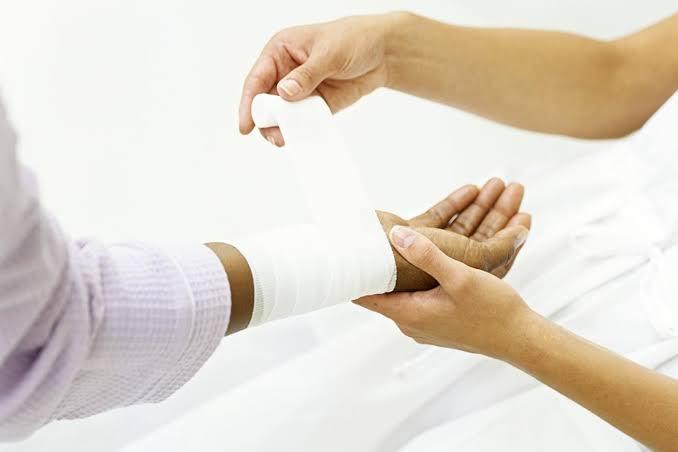
Changing a wound dressing at the right time is one of the most important aspects of proper wound care. Dressing changes help keep the wound clean, protect it from infection, and create an environment that supports healthy healing. Many patients prefer Wound Dressing at Home in Dubai because it offers the convenience of receiving professional care without leaving home. With assistance from a Doctor at Home, individuals can receive personalized guidance on dressing schedules, ensuring wounds are managed safely while reducing the risk of complications during recovery.
Why Dressing Changes Are Important:
A wound dressing acts as a protective barrier that shields healing tissue from bacteria, dirt, and external irritation. Over time, dressings may become saturated with moisture or wound drainage, reducing their effectiveness. Regular dressing changes help maintain cleanliness, encourage tissue repair, and allow the wound to be inspected for signs of healing or possible infection.
There Is No Single Schedule for Every Wound:
The ideal frequency for changing a wound dressing depends on several factors, including the type of wound, its location, the amount of drainage, and the stage of healing. Surgical wounds, burns, chronic wounds, and minor cuts all have different care requirements. Rather than following the same schedule for every injury, dressing changes should be based on the wound's individual needs and overall healing progress.
Factors That Affect Dressing Frequency:
Several conditions influence how often a dressing should be replaced. Understanding these factors helps ensure the wound remains protected throughout recovery. Common considerations include:
- The size and depth of the wound.
- The amount of wound drainage.
- The type of dressing being used.
- The location of the wound.
- The patient's overall health.
- The presence of chronic medical conditions.
- The stage of the healing process.
Signs That a Dressing Should Be Changed:
Sometimes a dressing needs to be replaced earlier than expected. Monitoring the dressing regularly helps identify when it is no longer providing adequate protection. Signs that indicate a dressing change may be needed include:
- The dressing becomes wet or soaked.
- Visible drainage reaches the outer layer.
- The dressing becomes loose or slips out of place.
- Dirt or contamination is present.
- An unpleasant odor develops.
- The dressing shows signs of damage or tearing.
Why Changing Dressings Too Frequently Can Be Harmful:
Although keeping a wound clean is important, changing dressings too often may interfere with healing. Frequent removal can disturb newly formed tissue, increase discomfort, and expose the wound to unnecessary contamination. Allowing the dressing to remain in place for an appropriate period supports natural tissue repair while maintaining a stable healing environment.
Risks of Leaving a Dressing on Too Long:
Leaving a dressing unchanged for excessive periods may create conditions that encourage bacterial growth and increase the risk of infection. Moisture buildup, accumulated drainage, and reduced airflow can slow healing if the dressing is not replaced when needed. Regular assessment helps determine the right time for dressing changes while protecting the wound from avoidable complications.
Maintaining Proper Hygiene During Dressing Changes:
Safe dressing changes require careful attention to cleanliness to reduce the risk of contamination. Good hygiene practices should always be followed throughout the procedure. Important steps include:
- Wash hands thoroughly before and after the dressing change.
- Prepare a clean work surface.
- Use sterile or clean dressing materials.
- Avoid touching the wound unnecessarily.
- Dispose of used dressings safely.
- Apply the new dressing carefully to protect the wound.
Monitoring Healing During Every Dressing Change:
Each dressing change provides an opportunity to observe the wound's healing progress. Checking for healthy tissue growth, reduced swelling, and improved appearance helps ensure recovery is moving in the right direction. At the same time, dressing changes allow early recognition of any warning signs that may require further attention, helping prevent complications before they worsen.
The Benefits of Professional Home Wound Care:
Professional wound care offers valuable support for individuals who require ongoing dressing changes or have wounds that need close monitoring. Healthcare professionals evaluate the condition of the wound, recommend suitable dressing schedules, and adjust care based on healing progress. Choosing Wound Dressing at Home in Dubai allows patients to receive expert wound management while remaining comfortable in their own homes, making recovery more convenient and consistent.
Tips for Successful Wound Dressing at Home:
Following a structured routine helps improve wound healing and reduces unnecessary complications. Helpful wound care practices include:
- Keep dressing supplies organized and sterile.
- Follow recommended dressing change instructions.
- Protect the wound from unnecessary pressure.
- Monitor the wound daily for changes.
- Maintain good personal hygiene.
- Avoid removing dressings unless necessary.
- Seek professional advice if healing appears delayed.
Final Thoughts:
Knowing how often to change a wound dressing is essential for maintaining a clean healing environment and preventing infection. While every wound heals at its own pace, regular assessment, proper hygiene, and timely dressing changes all contribute to successful recovery. By following appropriate wound care practices and choosing Wound Dressing at Home in Dubai when professional assistance is needed, patients can support safe healing, reduce complications, and recover more comfortably in their own homes.

 English
 Arabic
 French
 Spanish
 Portuguese
 Deutsch
 Turkish
 Dutch
Dutch
 Russian
 Romaian
 Portuguese (Brazil)
 Greek
Greek