
Emergency Management in Ventilator Care at Home
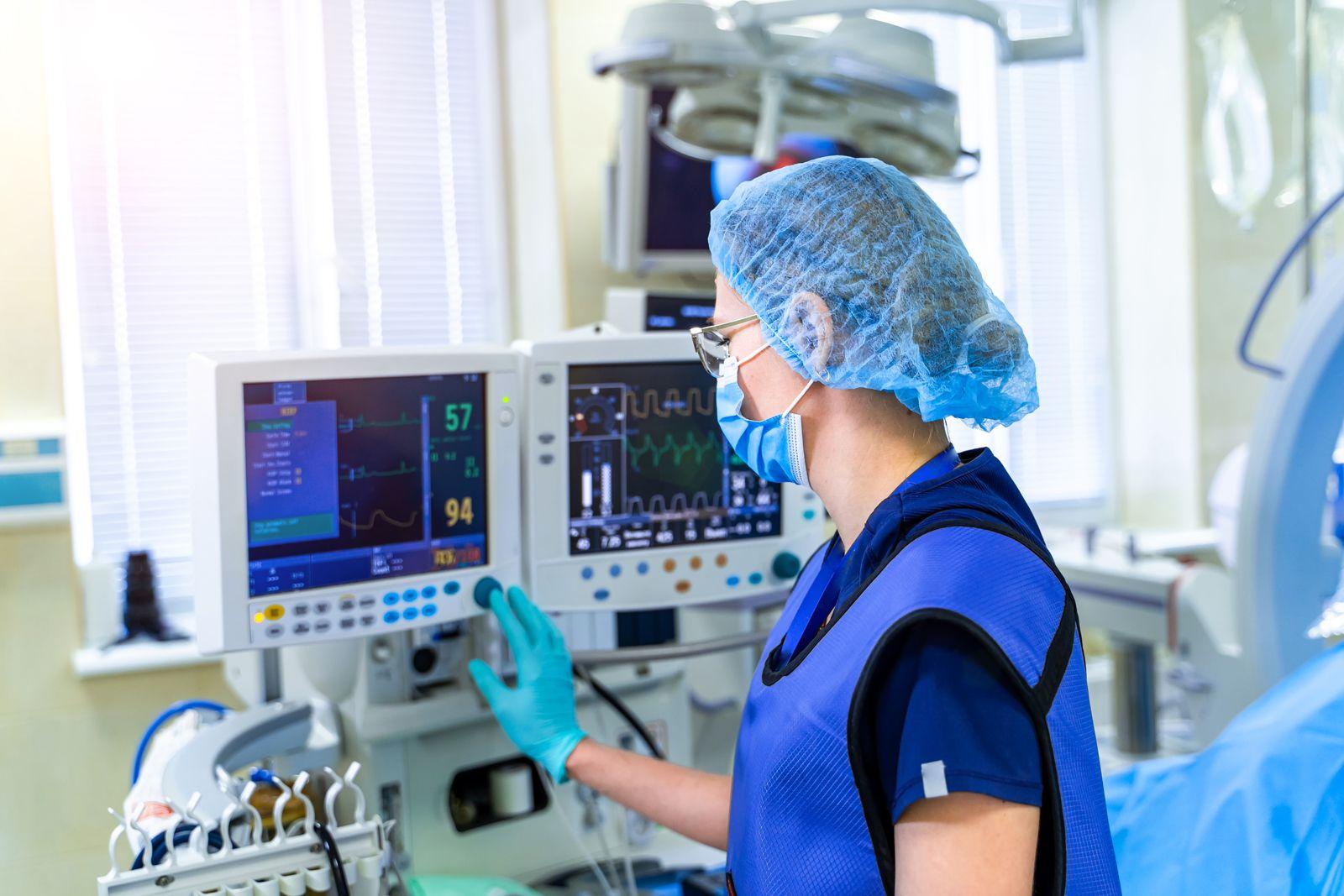
Providing safe respiratory support for patients who rely on ventilators requires careful preparation, especially when unexpected situations occur. As families increasingly choose Ventilator Care At Home In Dubai, understanding emergency management becomes essential for maintaining patient safety and ensuring quick responses during critical moments. Professional healthcare support, including Doctor at Home services, can provide guidance, regular assessments, and medical assistance to help caregivers manage emergencies effectively while ensuring patients receive continuous and appropriate care.
Understanding Emergency Management in Home Ventilator Care:
Emergency management in home ventilator care involves preparing caregivers, organizing medical resources, and developing clear response plans for unexpected situations. Patients using ventilators may face challenges such as equipment failure, breathing difficulties, airway blockages, or sudden changes in their health condition. Unlike hospital environments, home care requires caregivers to recognize warning signs quickly and take appropriate action before professional help arrives. A well-prepared emergency strategy improves confidence, reduces risks, and supports better patient outcomes.
Importance of Having an Emergency Plan:
A detailed emergency plan is one of the most important parts of home ventilator care. Every caregiver should know what steps to follow during urgent situations and where to find essential supplies. A complete emergency plan should include:
- Emergency contact numbers for healthcare providers and emergency services.
- Instructions for handling ventilator alarms.
- Backup power arrangements.
- Availability of essential medical supplies.
- Clear instructions for transferring the patient if required.
Having a written and accessible plan helps caregivers respond quickly instead of making decisions under pressure during emergencies.
Managing Ventilator Equipment Emergencies:
Ventilator equipment problems can occur unexpectedly and require immediate attention. Caregivers should understand common equipment-related issues and know the basic steps to address them safely. Common emergencies may include disconnected tubing, power failure, alarm activation, or malfunctioning accessories. Important actions include:
- Checking all tubing connections.
- Reviewing alarm messages.
- Confirming power supply availability.
- Switching to backup equipment when available.
- Contacting healthcare professionals if problems continue.
Regular equipment checks and proper maintenance reduce the chances of sudden failures and improve overall reliability.
Handling Breathing Difficulties and Patient Distress:
Changes in a patient's breathing pattern require immediate observation and action. Caregivers should remain alert to signs that may indicate respiratory distress, such as increased breathing effort, unusual sounds, changes in skin color, or reduced responsiveness. Steps that may help include:
- Checking ventilator connections.
- Ensuring the patient is positioned comfortably.
- Reviewing oxygen supply if applicable.
- Following the emergency instructions provided by healthcare professionals.
- Seeking urgent medical assistance when necessary.
Recognizing early signs of distress allows faster intervention and can help prevent serious complications.
Managing Airway Blockages and Secretions:
Airway management is a critical part of emergency care for ventilator-dependent patients. Excessive secretions or blockages can interfere with effective breathing support. Caregivers should receive proper training before performing airway-related procedures. Preventive and emergency measures include:
- Monitoring changes in mucus production.
- Following recommended suctioning procedures.
- Maintaining clean airway equipment.
- Keeping necessary supplies easily accessible.
- Reporting repeated airway problems to healthcare providers.
Proper airway management helps maintain effective ventilation and reduces the risk of respiratory complications.
Preparing for Power Failures:
Reliable electricity is essential for ventilator operation, making power failure preparation a key safety measure. Unexpected power interruptions can create serious risks if backup solutions are not available. Caregivers should prepare by:
- Maintaining fully charged backup batteries.
- Knowing how to connect alternative power sources.
- Checking battery performance regularly.
- Keeping emergency lighting available.
- Informing relevant support services about the patient's medical equipment needs.
A strong power backup plan provides additional security and reduces interruptions in respiratory support.
Training Caregivers for Emergency Situations:
Caregiver education is one of the most effective ways to improve emergency management. Family members responsible for daily care should receive proper instruction on operating equipment, identifying risks, and responding appropriately. Training should cover:
- Understanding ventilator functions.
- Recognizing different alarm types.
- Performing basic troubleshooting.
- Following infection control practices.
- Knowing when to contact medical professionals.
Well-trained caregivers are better prepared to protect patients and provide immediate support during urgent situations.
Maintaining Emergency Medical Supplies:
Having the right supplies available can make a significant difference during emergencies. Caregivers should regularly check and organize essential items to ensure they are ready when needed. Important supplies may include:
- Spare ventilator accessories.
- Suction equipment.
- Backup oxygen supplies when prescribed.
- Replacement filters and tubing.
- Cleaning materials.
Proper storage and regular review of medical supplies help prevent delays during emergency situations.
The Role of Regular Medical Follow-Ups:
Ongoing medical supervision helps reduce emergency risks by identifying potential problems before they become severe. Healthcare professionals can evaluate the patient's condition, review ventilator settings, assess equipment performance, and update emergency plans when necessary. Regular follow-ups also allow caregivers to ask questions and improve their understanding of patient needs. Continuous communication between healthcare teams and families creates a safer and more effective home care environment.
Using Technology to Improve Emergency Response:
Modern healthcare technology has improved emergency management for home ventilator patients. Remote monitoring systems, digital health platforms, and advanced ventilator features allow healthcare providers to track patient information and provide timely support. These technologies can help identify changes in patient conditions, improve communication, and support faster decision-making during urgent situations. As technology continues to advance, emergency care for home ventilator patients is expected to become more efficient and reliable.
Building Confidence Through Preparedness:
Emergency situations can be stressful, but preparation helps caregivers respond with greater confidence. Regular training, organized routines, and clear communication with healthcare providers create a strong foundation for safe home ventilator care. Families should regularly review emergency procedures and update care plans according to the patient's changing needs. Preparedness not only improves safety but also creates a more comfortable environment for patients and caregivers.
Final Thoughts:
Emergency management is a vital component of successful home ventilator care. By preparing detailed emergency plans, maintaining equipment, training caregivers, and staying connected with healthcare professionals, families can provide safer respiratory support for patients at home. With proper preparation and professional guidance, Ventilator Care At Home In Dubai can offer patients a reliable care option that combines medical support, comfort, and improved quality of life while ensuring readiness for unexpected situations.

 English
 Arabic
 French
 Spanish
 Portuguese
 Deutsch
 Turkish
 Dutch
Dutch
 Italiano
 Russian
 Portuguese (Brazil)
 Greek
Greek