
How Does mcwiper Support Different Vehicle Applications?
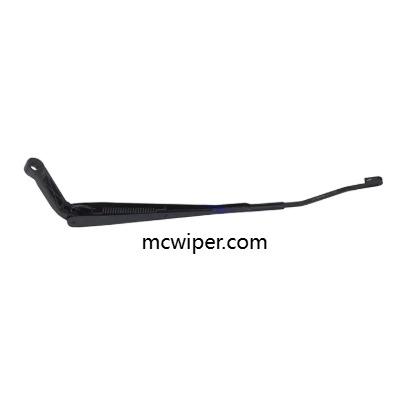
Wiper Arm selection involves more than checking product appearance or comparing prices. For automotive parts importers, wholesalers, distributors, and aftermarket businesses, several technical details deserve attention before an order is confirmed. Vehicle compatibility, mounting structure, spring tension, blade connection, surface protection, and production consistency can all influence the suitability of a component. Buyers who examine these factors early can prepare clearer specifications, reduce communication gaps, and make purchasing decisions based on actual application requirements.
Are You Checking the Exact Vehicle Application?
One detail that buyers sometimes overlook is the difference between vehicle versions. Two vehicles from the same manufacturer may have different windshield shapes, mounting structures, or wiping system configurations.
Before requesting a quotation, prepare the vehicle make, model, production year, and intended installation position. If available, provide the original part number, technical drawing, or physical sample.
These references help the production team identify the required configuration. They are particularly useful for aftermarket distributors managing several vehicle applications because similar-looking components may have different dimensions or mounting arrangements.
Does the Mounting Structure Match the Original Design?
The mounting area connects the component to the vehicle mechanism. Its dimensions, shape, and connection method should correspond with the intended application.
Buyers should check the shaft connection, fixing structure, installation angle, and relevant dimensions. A component that appears suitable in a photograph may still require a different mounting configuration.
For customized projects, technical drawings can help both parties review the connection structure before production. If drawings are unavailable, a physical sample may provide useful information about the original design.
Confirming these details before ordering can help reduce fitment misunderstandings and unnecessary product adjustments.
Is the Spring Tension Appropriate?
Spring tension is another detail that deserves attention. It contributes to the contact force between the blade and windshield during operation.
If the pressure is insufficient, the blade may not maintain suitable contact under certain operating conditions. Excessive pressure may also affect component movement, blade wear, and the load placed on the wiping mechanism.
The required force depends on the vehicle design and manufacturer specifications. Buyers should therefore avoid applying one general value to every application.
When discussing a new project, ask about the spring configuration, applicable technical requirements, and inspection arrangements. This helps establish a clear reference for product development and evaluation.
Have Material and Surface Requirements Been Discussed?
Components used outside a vehicle are regularly exposed to rain, moisture, dust, temperature changes, and road conditions. Material selection and surface finishing should therefore be considered during purchasing discussions.
Buyers can ask about the metal grade, forming process, protective coating, and surface appearance. The appropriate combination depends on the intended design, application, and customer specifications.
Surface inspection should also be included in the production plan. Check for visible scratches, uneven coating, deformation, or other conditions that do not meet the approved requirements.
For private-label and OEM projects, recording material and finishing details can help maintain a shared reference between the buyer and manufacturer.
Are Blade Connections and Operating Angles Compatible?
The connection between the component and blade is an important part of the complete wiping system. Buyers should confirm the attachment method, locking structure, and relevant dimensions before placing an order.
Operating geometry also deserves attention. The component needs to move through the intended wiping area without creating interference with surrounding vehicle structures or other moving parts.
For a new application, provide drawings or samples showing the connection and installation position. If the project involves a modified design, confirm the required operating conditions before approving production.
This type of technical communication helps prevent decisions based only on visual similarity.
Does the Supplier Have a Clear Sample Approval Process?
A sample provides buyers with an opportunity to review the actual product before arranging larger quantities. However, sample approval should involve more than checking its general appearance.
Compare the sample against the approved dimensions, mounting details, spring configuration, surface finish, and blade connection. Record any requested changes and confirm whether an updated sample is necessary.
It is also useful to establish how the approved sample will be referenced during later production. Written specifications, drawings, and sample records can help both parties work from the same product requirements.
Can Production and Inspection Meet Your Order Requirements?
For wholesale and distribution businesses, production consistency and order coordination are important purchasing considerations.
Ask about the manufacturing stages, assembly procedures, dimensional checks, surface inspections, and finished-product review. The inspection plan should reflect the actual design and the requirements agreed upon for the order.
Buyers should also clarify minimum quantities, sample arrangements, packaging specifications, labeling, and expected delivery schedules. For repeat orders, keeping previous specifications and approval records can make communication more straightforward.
A clear purchasing arrangement helps connect technical requirements with production planning and shipment preparation.
Why Should Buyers Discuss Customization Early?
Different markets may require different product configurations, packaging formats, and application coverage. Waiting until production is underway to discuss these details can create additional changes.
Share your target vehicle information, drawings, samples, annual purchasing estimates, and packaging preferences during the initial discussion. This gives the manufacturer an opportunity to review the project and explain the available production arrangements.
mcwiper focuses on automotive wiping products and supports customer discussions involving product development, manufacturing, and customized requirements. For importers and distributors sourcing application-specific components, early technical communication can help connect product design with manufacturing planning.Before placing an order, take time to review the vehicle application, mounting structure, spring requirements, surface treatment, and inspection criteria. Buyers can visit https://www.mcwiper.com/product/ to review the available product range and contact mcwiper about specifications, samples, customization, and cooperation arrangements for upcoming automotive parts projects.

 English
 Arabic
 French
 Spanish
 Portuguese
 Deutsch
 Turkish
 Dutch
 Italiano
 Russian
 Romaian
 Greek