
How Can a Time Relay Factory Support OEM Buyers?
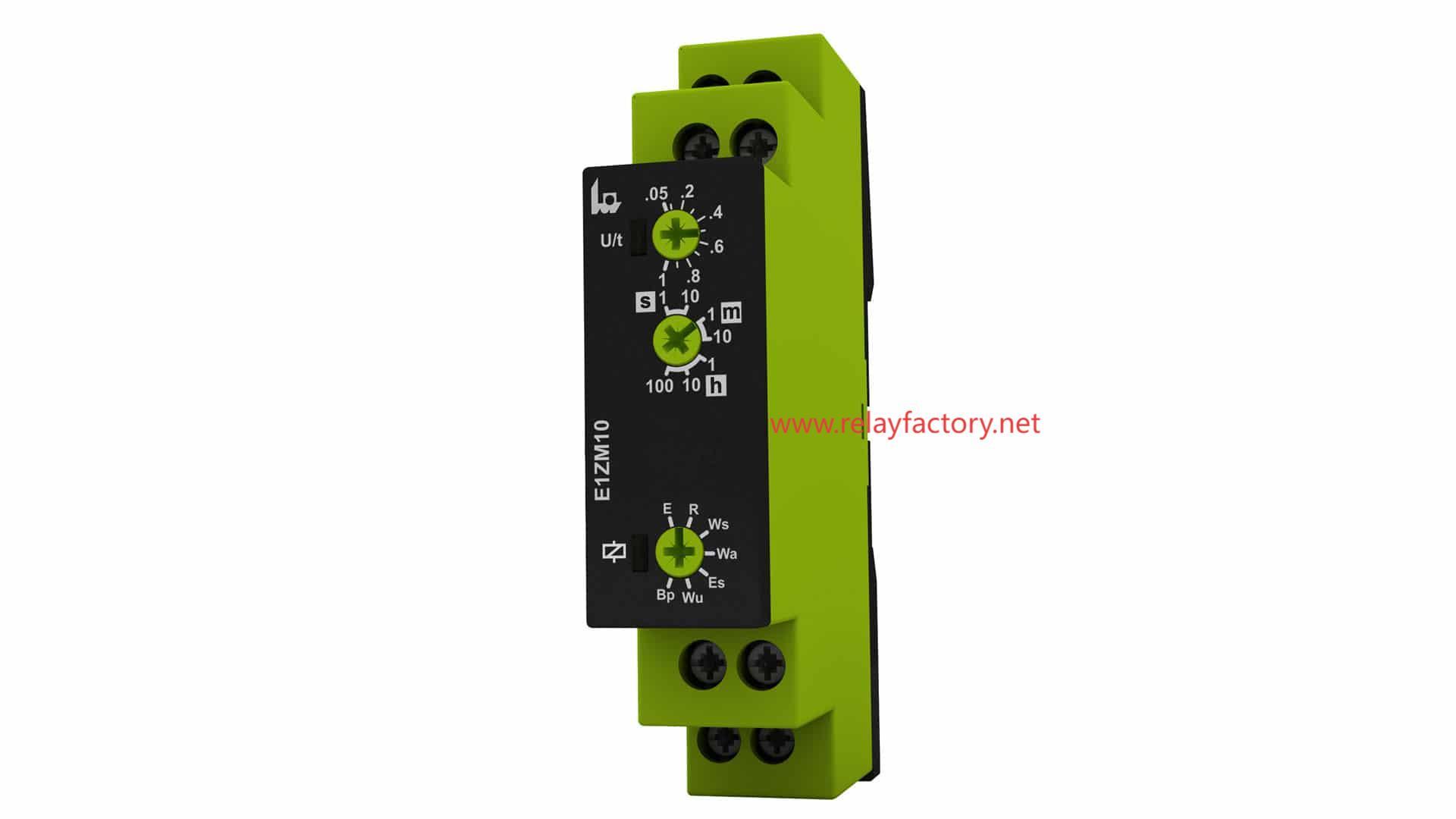
Time Relay Factory evaluation involves more than reviewing a product catalog or comparing quotations. For importers, electrical equipment manufacturers, and industrial distributors, the purchasing process should include an assessment of production arrangements, technical documents, inspection procedures, and communication practices. Understanding how a supplier manages these areas can help buyers make informed decisions and reduce uncertainty before placing an order.
Review the Product Range and Manufacturing Scope
Buyers should first identify whether the supplier offers product configurations that match their equipment requirements. Different electrical systems may need delayed activation, delayed release, cyclic operation, or multiple control functions. Reviewing the available models can help purchasing teams understand which options are relevant to their projects.
It is also worth asking whether the supplier handles standard models, customized configurations, or both. For equipment manufacturers developing their own products, this information can influence component selection and project planning.
A useful initial inquiry should include the intended application, required operating function, estimated quantity, and expected purchasing schedule. These details help the manufacturer understand the request instead of preparing a quotation based on incomplete information.
Confirm Electrical and Mechanical Specifications
Product appearance alone cannot establish whether a component is suitable for a particular circuit. Buyers should compare the technical documentation with the actual equipment design.
Important details include:
Operating function: Confirm the required delay-on, delay-off, interval, or cyclic control behavior.
Supply voltage: Check the rated voltage and whether the circuit uses AC or DC power.
Adjustment range: Review the available setting range and the method used to configure the operating interval.
Output contacts: Verify the contact arrangement, terminal layout, and rated switching capacity.
Installation dimensions: Compare housing size, mounting format, and connection positions with the available equipment space.
Environmental conditions: Consider temperature, humidity, vibration, and other conditions at the installation site.
Buyers should request the datasheet and wiring diagram for the exact model under consideration. If the project requires a particular connection arrangement or electrical rating, these details should be confirmed in writing before an order is approved.
Understand Production and Inspection Procedures
A supplier's manufacturing arrangements deserve careful attention, especially when buyers plan to place repeat orders. Ask how components are received, assembled, checked, and prepared for shipment.
Inspection discussions may cover appearance, terminal connections, functional operation, electrical characteristics, and adjustment performance. The specific checks will depend on the product design and agreed requirements. Buyers can ask whether inspection records are available and how products are identified after production.
Batch identification is also useful for distributors and OEM customers. Model labels, production references, and organized order records make it easier to distinguish different configurations and trace products when questions arise.
For recurring purchases, buyers should clarify how approved specifications are retained. Any changes to components, product structure, or technical parameters should be communicated and reviewed before the next production order proceeds.
Evaluate Samples Before Confirming Bulk Orders
Sample evaluation gives buyers an opportunity to check product compatibility under practical conditions. Instead of relying only on catalog information, purchasing teams can test whether the component fits the equipment and performs the required control function.
A sample review may include installation dimensions, terminal connections, adjustment operations, output response, and interaction with the surrounding circuit. Where possible, testing should follow the actual application conditions rather than a general demonstration.
Buyers should record any differences between the sample and the approved specifications. If adjustments are necessary, the revised requirements should be shared with the supplier and confirmed before mass production.
This process is particularly relevant to OEM projects, where a small configuration difference may affect the equipment assembly or control sequence.
Discuss Customization and Order Coordination
Some applications require product arrangements beyond standard catalog options. Buyers may need to discuss a different voltage, contact configuration, housing format, terminal position, or operating function.
To make these discussions productive, prepare drawings, wiring diagrams, reference samples, and a written list of requirements. Separate essential specifications from optional requests so the manufacturer can assess the project scope more clearly.
Commercial arrangements should also be confirmed before production. These include minimum order quantity, quotation validity, production schedule, packaging, payment terms, and shipping responsibilities. International purchasing teams may also need to specify labeling and document requirements.
A written order confirmation should clearly identify the selected model, quantity, approved configuration, and delivery arrangements. This gives both parties a shared reference for production and shipment coordination.
Assess Communication and After-Sales Support
Supplier communication remains important after an order has been delivered. Buyers may need assistance with product identification, wiring information, replacement selection, or a new equipment project.
Before choosing a partner, ask how technical questions are handled and whether product documents can be provided for future reference. It is also useful to understand the procedure for reporting product concerns and sharing inspection details.
For distributors, clear product information can support customer inquiries and inventory management. For OEM manufacturers, organized technical communication can help coordinate component requirements with equipment development and assembly plans.
Build a Consistent Supplier Evaluation Process
Before making a purchasing decision, compare potential suppliers using the same evaluation criteria. Review product availability, technical documentation, inspection procedures, sample support, customization communication, and delivery arrangements. A structured checklist makes it easier to identify unanswered questions and discuss them before confirming an order.
Buyers seeking electrical control components can also review the available product configurations and manufacturing information from relayfactory. Prepare the application details, electrical requirements, installation dimensions, and estimated quantity before contacting the supplier. This gives both parties a clear starting point for product discussions and order planning. For further product information or purchasing inquiries, visit https://www.relayfactory.net/ and explore the available solutions for different industrial control applications.

 English
 Arabic
 French
 Spanish
 Portuguese
 Turkish
 Dutch
 Italiano
 Russian
 Romaian
 Portuguese (Brazil)
 Greek