
How Does Tyvek Breathing Cover Support Packaging Requirements?
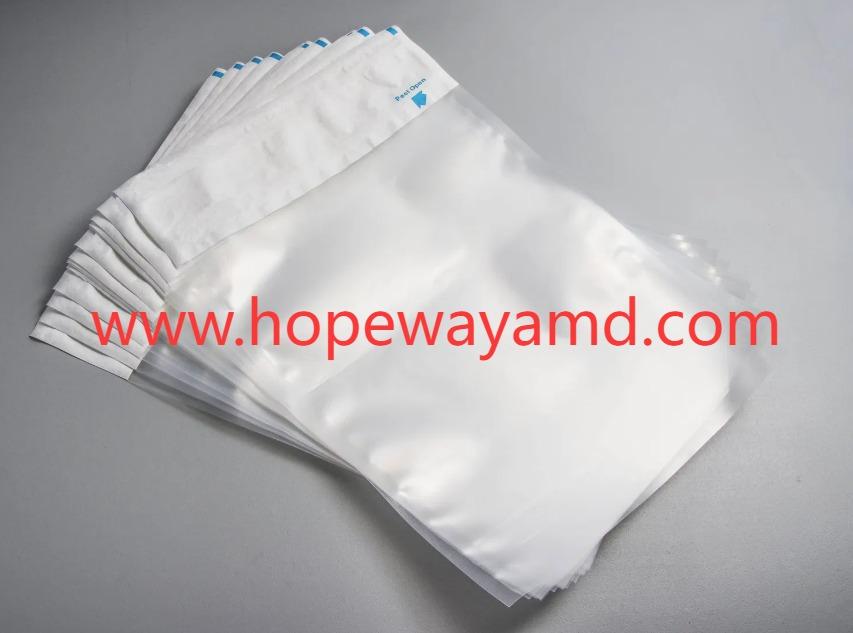
Medical packaging plays an important role in maintaining product protection, supporting sterilization processes, and ensuring convenient handling throughout the supply chain. Tyvek Breathing Cover from Hopeway AMD offers a packaging material option designed to address the requirements of medical and healthcare applications. With its distinctive material characteristics and adaptable structure, it provides manufacturers with an option to consider when developing packaging solutions for products that require controlled protection and breathability.
In medical environments, packaging is more than an outer layer. It forms an important part of product preparation, storage, transportation, and handling. Materials used in packaging need to work alongside manufacturing processes while supporting the intended application. Breathable packaging materials are particularly relevant when products require packaging structures that accommodate sterilization methods and help maintain suitable conditions during different stages of use.
Material selection is an essential consideration when developing medical packaging. Manufacturers often evaluate properties such as durability, flexibility, surface characteristics, and compatibility with packaging processes. A suitable material should also support practical production requirements, including cutting, forming, sealing, and handling. These considerations help businesses develop packaging designs that correspond with their product specifications and operational needs.
Another important aspect is the relationship between packaging materials and sterilization procedures. Medical products may undergo different preparation processes before reaching healthcare facilities. Therefore, packaging components should be selected according to the intended sterilization method and relevant technical requirements. Material compatibility, sealing performance, and packaging integrity all deserve careful attention during product development.
Breathability is also an important feature in certain medical packaging applications. Packaging structures designed around breathable materials can support specific sterilization and packaging requirements. At the same time, manufacturers need to consider how the material performs within the complete packaging system. The interaction between the breathable area, surrounding materials, sealing methods, and package design can influence the suitability of the finished product.
For packaging manufacturers, consistency throughout production is another practical concern. Material characteristics should align with processing equipment and manufacturing procedures. Reliable material handling can help simplify production arrangements and support a more organized workflow. Before selecting a packaging material, businesses should review its technical documentation, intended application, and compatibility with their existing production processes.
Customization can also contribute to a more suitable packaging solution. Different medical products may require different packaging dimensions, structures, and material combinations. Manufacturers should consider the shape of the packaged product, storage conditions, transportation requirements, and sterilization procedures when developing their packaging designs. A thoughtful approach to these details can help businesses create packaging that fits their operational objectives.
Beyond material performance, supplier communication deserves attention. Clear product information, technical assistance, and an understanding of customer requirements can make the purchasing process more straightforward. For international buyers, it is particularly useful to work with a supplier that can communicate product specifications and discuss potential applications in a practical manner.
As medical packaging requirements continue to develop, manufacturers need materials that can be evaluated according to their actual production needs. Making an informed selection involves understanding the material, reviewing its application possibilities, and considering how it integrates into the complete packaging structure. These steps provide a useful foundation for developing packaging solutions that support everyday medical manufacturing operations.
Every packaging project begins with the right material choice, but the next step is discovering the possibilities behind it. Visit https://www.hopewayamd.com/product/ to browse the available product information, explore material options, and find inspiration for your next medical packaging project. Your next packaging idea may be just one click away.

 English
 Arabic
 French
 Spanish
 Portuguese
 Deutsch
 Turkish
 Dutch
 Italiano
 Russian
 Romaian
 Greek