
What Should Buyers Check Before Choosing a Cable Cover?
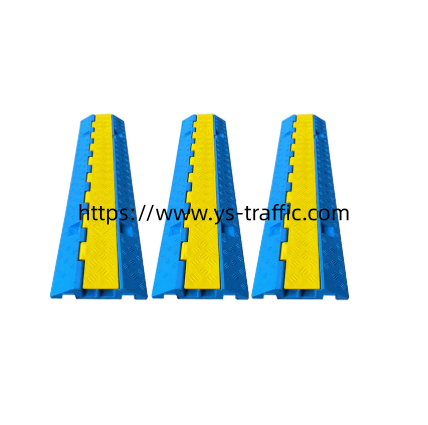
Cable Cover selection should begin with a clear understanding of the working environment, the equipment requiring protection, and the traffic expected at the installation site. Buyers may need this type of product at construction sites, warehouses, outdoor events, factories, and public facilities. Each application has different requirements, so purchasing decisions should consider more than appearance or price. A suitable model should fit actual site conditions, provide practical protection, and remain convenient for daily use.
Evaluate the Application Environment
The installation location is an important starting point. Indoor facilities may require a compact design that fits narrow walkways or production areas. Outdoor locations often involve rain, sunlight, dust, temperature changes, and uneven ground. These conditions can influence material selection and expected service life.
Buyers should also identify whether the product will be placed in a temporary work area or used as part of a long-term facility arrangement. Temporary events may require equipment that is easy to position, connect, remove, and store. Permanent installations may place greater emphasis on stable placement and compatibility with existing floor layouts.
Before requesting a quotation, prepare basic information about the site. Photographs, ground conditions, traffic patterns, and installation measurements can help suppliers understand the application more clearly.
Check Dimensions and Internal Space
Product dimensions should match the equipment being protected. Buyers need to measure the diameter, quantity, and arrangement of the items that will pass through the internal channels. Insufficient space may make installation difficult, while excessive space can result in unnecessary movement.
The number of channels is another consideration. A single-channel configuration may suit a simple setup, while a multi-channel structure can separate several lines and keep the work area more organized. The correct arrangement depends on the number of items, their individual dimensions, and the available floor space.
It is also useful to check the overall length, width, and height. These measurements influence how the product fits into walkways, entrances, vehicle routes, and other restricted areas. Buyers should confirm these details with the supplier before production begins.
Review Material and Surface Construction
Rubber is commonly used in protective ramp manufacturing because it offers flexibility and resistance to regular contact. However, buyers should still ask about material composition, production methods, and the intended application range.
A textured upper surface can improve traction for pedestrians and vehicles. The bottom structure should also provide stable contact with the ground to reduce unwanted movement during normal use. For outdoor projects, buyers may want to discuss how the selected material performs under exposure to moisture, sunlight, and changing temperatures.
Color is another practical detail. Black and yellow designs can make equipment more noticeable in busy working environments. Buyers should consider the surrounding floor color, lighting conditions, and visibility requirements when selecting an appearance.
Understand Load Requirements
Load capacity should be evaluated according to the actual traffic expected at the installation site. Pedestrian areas, light vehicle routes, and industrial access points may involve very different pressure conditions.
Buyers should identify the types of vehicles or equipment that will pass over the product. They should also consider traffic frequency, axle weight, and whether heavy machinery will turn or stop directly on the surface.
Rather than relying on a general description, request applicable load information and supporting product documentation. The selected model should match the intended operating conditions. If the project involves unusual loads or demanding site conditions, provide those details to the manufacturer before confirming an order.
Consider Installation and Connection Methods
Installation efficiency can influence the overall purchasing decision. Modular products with interlocking structures allow multiple sections to connect and extend along longer routes. This arrangement can help buyers adapt the layout to different site dimensions.
Check whether the design requires additional fixing accessories or specific ground preparation. The installation process should be suitable for the available workforce and equipment. Buyers should also consider whether the product needs to be moved frequently for cleaning, maintenance, or changes in the working area.
For projects involving several access points, it may be helpful to prepare a simple layout plan before ordering. This can reduce unnecessary purchases and make installation more organized.
Discuss Customization and Manufacturing Support
Different projects may require specific dimensions, colors, structures, or packaging arrangements. Buyers should communicate these requirements early so the manufacturer can evaluate their feasibility.
A clear inquiry should include the intended application, required quantity, product dimensions, expected load conditions, and delivery destination. Providing this information helps both parties discuss technical details and commercial arrangements more efficiently.
At ys-traffic, production, processing, and customization are integrated into the company's manufacturing operations. Buyers can discuss project requirements and request relevant product information before making a purchasing decision.
Prepare a Purchasing Checklist
Before confirming an order, review several points: application environment, product dimensions, channel arrangement, material construction, surface texture, load requirements, installation method, customization options, packaging, and delivery schedule.
It is also useful to request samples or product photographs when practical. These materials can help purchasing teams compare specifications with actual project requirements. Written confirmation of important dimensions and technical details can further reduce misunderstandings during production and delivery.A well-prepared purchasing process helps buyers evaluate products according to practical needs rather than relying on a single specification. For product information, manufacturing details, and project discussions, visit https://www.ys-traffic.com/ and contact the company to discuss a suitable solution.

 English
 Arabic
 French
 Spanish
 Portuguese
 Deutsch
 Turkish
 Dutch
 Russian
 Romaian
 Portuguese (Brazil)
 Greek