
Access Control Reader Market CAGR: Analyzing Growth Trajectory and Prospects
Growth Trajectory and CAGR Analysis
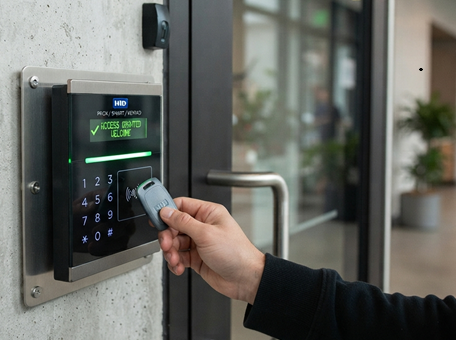
The Access Control Reader Market CAGR reflects the steady expansion trajectory of this essential security hardware sector, demonstrating consistent momentum as organizations worldwide prioritize protection of people, property, and sensitive information. Understanding the factors driving this measured growth provides valuable insights for stakeholders seeking to capitalize on emerging opportunities within the access control reader technology landscape. The compound annual growth rate observed across the market underscores the fundamental nature of access control as a non-discretionary investment for most organizations, creating a stable foundation that persists through economic cycles. This growth analysis examines the multifaceted drivers, technology transitions, and regional dynamics that collectively shape the market's expansion trajectory and create opportunities for value creation across the physical security ecosystem.
Rising Security Threats Driving Sustained Demand
Escalating security concerns across sectors represent a primary growth driver within the access control reader market, with organizations increasingly recognizing the need for robust measures to prevent unauthorized access and protect critical assets. High-profile security incidents and evolving threat landscapes heighten awareness of vulnerabilities that inadequate access control creates. Workplace violence prevention initiatives encourage organizations to implement controlled entry systems that restrict access to authorized personnel. Tenant and occupant expectations for secure environments influence property management decisions and building design specifications. These security drivers create sustained demand regardless of broader economic conditions, as organizations cannot afford to compromise on protection of people and assets. The fundamental need for secure entry points underpins the market's steady growth trajectory across diverse customer segments.
Smart Building Integration Expanding Reader Applications
The growth of smart buildings is significantly influencing the access control reader market, as intelligent building solutions incorporate advanced access control systems that enhance security while improving operational efficiency. Smart buildings integrate readers with broader building management systems, enabling coordinated responses to security events and optimized energy usage based on occupancy patterns. Internet of Things connectivity allows readers to communicate with other building systems, creating comprehensive visibility into facility operations. Integration with elevator control, lighting systems, and environmental management creates seamless user experiences that improve satisfaction while reducing operational costs. As urbanization accelerates and developers increasingly recognize the value of smart technologies, the market for access control readers in smart building applications continues expanding, offering innovative solutions tailored to modern infrastructure requirements.
Cloud and Mobile Transitions Fueling Upgrade Cycles
Technology transitions toward cloud-based and mobile-enabled access control are fueling upgrade cycles that drive market growth. Organizations replacing aging on-premises systems increasingly select cloud-connected readers that offer remote management, automatic updates, and integration with modern security ecosystems. Mobile credential adoption enables smartphones to replace traditional cards, improving user convenience while reducing credential management overhead. These technology transitions create replacement demand as organizations modernize infrastructure to capture operational benefits. The transition to cloud and mobile also expands the addressable market by making sophisticated access control accessible to smaller organizations that previously could not justify traditional enterprise systems. Vendors investing in cloud-compatible readers and mobile capabilities position themselves to capture this upgrade demand while building recurring revenue relationships with customers.
Strategic Implications for Stakeholders Navigating Market Growth
The growth trajectory of the access control reader market creates significant strategic implications for various stakeholders, from manufacturers to integrators and end-user organizations. Manufacturers should prioritize innovation that addresses demonstrated customer requirements while developing mobile and biometric capabilities that align with technology transition trends. Integrators and channel partners should develop expertise in cloud deployment, cybersecurity, and system integration to address evolving customer needs. Organizations evaluating reader investments should consider total cost of ownership across the system lifecycle, including installation, maintenance, and eventual replacement. Security leaders should develop comprehensive access control strategies that address current requirements while providing flexibility for future technology evolution. Stakeholders who develop comprehensive understanding of market dynamics and growth drivers will be better positioned to capitalize on emerging opportunities.
➤ Featured Insights from Market Research Future:
Transportation Analytic Market

 English
 Arabic
 French
 Spanish
 Portuguese
 Turkish
 Dutch
 Italiano
 Russian
 Romaian
 Portuguese (Brazil)
 Greek