
VEYA Cosmetics: Reviewing Palette Components and Finish
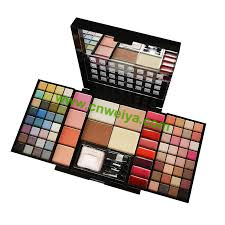
A makeup palette can look intact on a store shelf while small details become noticeable after repeated handling. Powder residue around the pan edges, scratches on the lid, or a hinge that feels loose may influence how buyers assess its construction. When reviewing an Eyeshadow and Blush Palette, material selection deserves attention alongside the color products themselves. The powders, individual compartments, outer case, closure, and protective packaging each have their own role, and their suitability depends on the intended use and storage conditions.
The pressed powder deserves a close examination because its physical condition can change during handling and transport. Buyers can inspect the surface for cracks, loose fragments, uneven pressing, or powder collecting along the edges. A sample can be opened and closed carefully before being moved, then inspected again after ordinary handling. The powder's surface appearance, compactness, and residue should be documented rather than judged from photographs alone. Actual formulation details remain important, since the ingredients and manufacturing process affect the characteristics of the finished cosmetic. Buyers should request formula information and relevant product documentation when these details form part of the purchasing specification.
Individual pans hold the pressed colors within the palette structure. Their dimensions, shape, placement, and attachment are worth checking during a sample review. A pan should sit within its compartment as specified, without noticeable movement during ordinary handling. Buyers can examine the surrounding edges for gaps or loose powder and record how the compartments are arranged. Metal pans and other possible constructions should not be assumed without confirmation from the manufacturer. The actual pan material, dimensions, and assembly method belong in the approved product specification when they affect the buyer's requirements.
The outer case is exposed to contact with hands, bags, dressing tables, and other objects during daily use. Buyers may examine its surface for visible marks, scratches, discoloration, or changes around the corners after handling. The case material should be identified through supplier documentation rather than appearance alone, since finishes can make different substrates look similar. Surface coatings, printed decoration, and molded details are also separate considerations when the design includes them. A sample placed on a workbench under overhead lighting can reveal reflections, fingerprints, and small surface irregularities that are difficult to notice in a product photograph.
Hinges and closures involve moving parts, so their construction deserves practical inspection. Open and close the sample at a normal pace, observing whether the lid moves evenly and whether the closure engages as intended. The joint between the lid and base may also be inspected for visible gaps or misalignment. Buyers should ask about the construction and material of these components if the information is relevant to their durability requirements. Repeated opening during sample evaluation can reveal changes in movement, although formal durability claims require testing under defined conditions rather than informal handling alone.
For palette development discussions with VEYA, buyers can specify the intended case appearance, pan arrangement, surface treatment, packaging concept, and product identification requirements. VEYA Cosmetics has focused on the makeup industry for over 20 years and provides OEM/ODM services across makeup categories. Its operations combine R&D innovation with large-scale production serving global beauty brands. These company details provide context for development and manufacturing discussions, while the actual materials, assembly methods, and product specifications need to be confirmed for the particular order. A reference sample and written specification can help distinguish approved construction details from features still under consideration.
Protective packaging is another part of the purchasing assessment because a finished palette may encounter vibration, pressure, and repeated movement during distribution. Buyers can examine how the product sits inside its packaging and whether the surrounding components hold it in the intended position. The packaging specification may identify the materials used for the insert, carton, protective wrapping, and outer shipping arrangement, where applicable. Handling assessments should record the actual condition of the sample before and after movement. Any transport testing should follow an agreed method, with the resulting observations kept separate from assumptions about how the product will perform in every shipping environment.
Storage conditions can also affect the appearance and physical condition of makeup products and their packaging. Buyers should refer to the product's applicable storage instructions and documentation rather than establish conditions without formulation information. During inspection, they can note the lid surface, closure alignment, pan edges, and any powder residue around the compartments. When purchasing an Eyeshadow and Blush Palette, the written specification can record these construction details alongside supplier information at https://www.cnweiya.com. The sample's case, pan arrangement, and powder surfaces remain identifiable physical details for reference during production discussions.

 English
 Arabic
 French
 Spanish
 Portuguese
 Deutsch
 Turkish
 Dutch
 Italiano
 Russian
 Portuguese (Brazil)
 Greek