
Party Printed Paper Napkins: Texture and Absorption
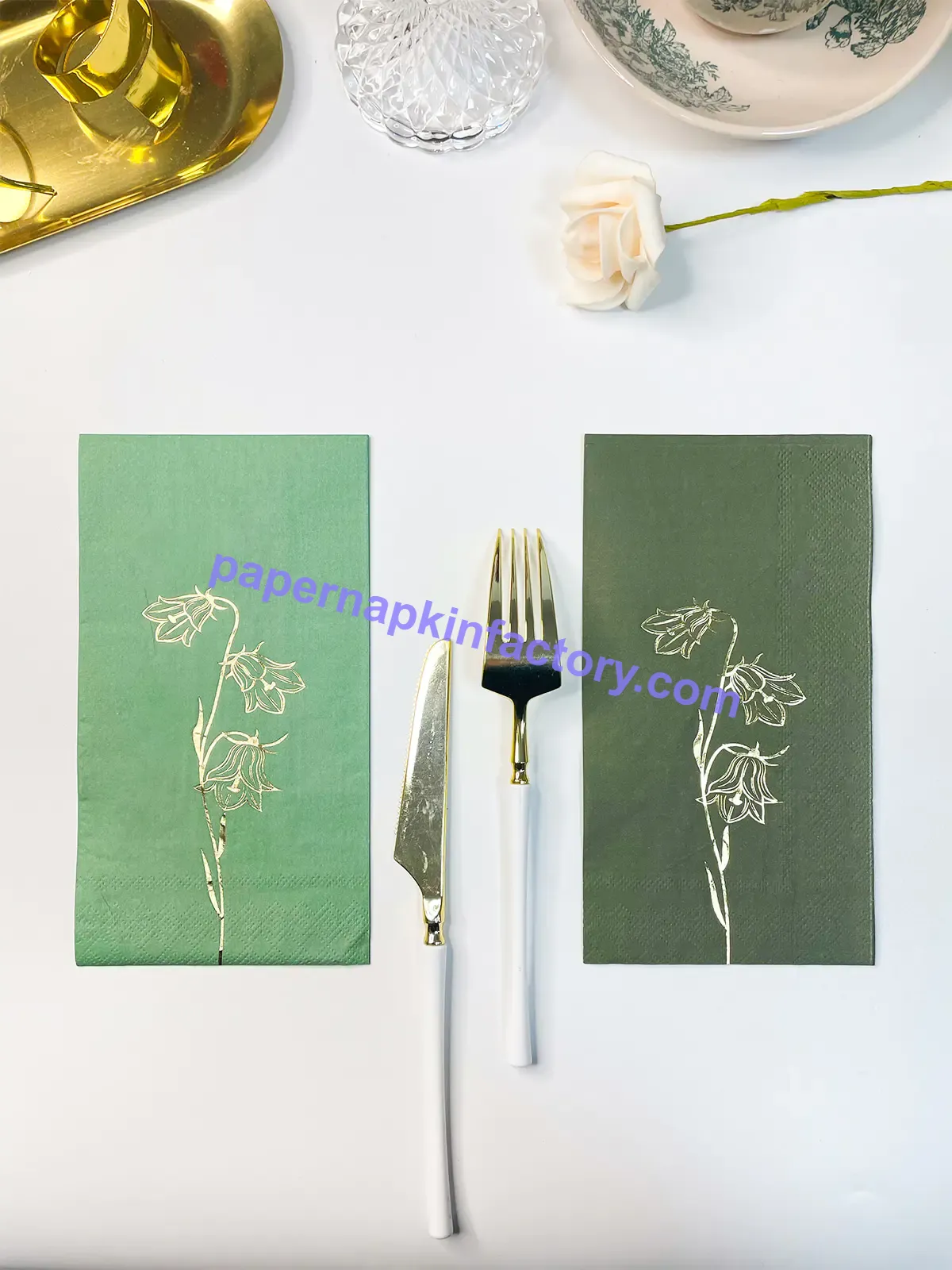
The edge of a folded napkin catches a little light, while its surface feels dry and slightly textured against the fingertips.Party Printed Paper Napkins are paper-based table products designed to combine practical handling with printed decoration, and their physical characteristics influence how they behave around food, drinks, and hands. The material itself is part of the experience, from the first fold before a gathering to the moment a guest uses it to wipe a small spill.
Paper is the central material in these products, giving them a lightweight structure that can be folded, arranged, and placed beside plates or serving dishes. Unlike a rigid table accessory, a napkin bends with the movement of a hand and conforms to the shape of a glass, utensil, or plate. Its surface can carry decorative artwork while retaining the familiar feel of a disposable paper item. When handling a stack, the edges may shift slightly, and individual sheets separate through a gentle movement rather than requiring a firm pull.
Material behavior depends on the physical structure of the sheet and the way it is handled. A dry napkin can hold a folded shape on a table, although repeated opening and closing may soften the crease or cause the edge to curl. When a corner is pressed against a damp surface, moisture begins to change the feel of the paper. The area touched by liquid may become softer, and the sheet can lose some of its ability to retain its original shape. These are ordinary characteristics of paper in use, so placement near drinks and food containers matters during a gathering.
At a sample table used for custom product discussions, FuRong's paper products can be considered alongside paper straws and paper cups, all of which involve paper as a central material. A printed napkin has a different handling role from a straw or cup, but the underlying material category connects these products. A napkin is intended to be opened, touched, folded, and used during a meal, so its surface is directly exposed to fingers, crumbs, condensation, and occasional liquid contact. The appearance of the sheet before use may change as it is handled throughout the event.
Printed artwork occupies the visible surface, and the paper provides the physical area on which the design appears. The interaction between surface texture and inked decoration can influence how a pattern looks when the sheet lies flat, bends around a corner, or gathers into a loose fold. Fine details may appear differently when the paper is creased, especially where the fold crosses a printed area. A napkin placed beneath a plate also experiences pressure from the dish, while one arranged beside cutlery remains exposed to movement from guests reaching across the table.
Durability in this setting is not the same as resistance to heavy mechanical use. These paper items are handled during a limited period, and their condition depends on the demands placed on them. A sheet used to catch dry crumbs may retain its shape during ordinary handling, whereas direct contact with a wet glass or spilled beverage can soften the material. Pulling a napkin from beneath a serving tray may create a tear, particularly when part of the sheet is trapped under an object. Gentle separation from a stack and an open placement on the table help avoid unnecessary strain.
Storage also affects the condition of paper before it reaches the table. A clean, dry location keeps the sheets away from accidental moisture, while a flat stack reduces the chance of unwanted bends or crushed edges. During setup, the napkins can be folded into simple shapes, placed in holders, or positioned individually beside each setting. I notice that a stack arranged near the plates tends to be handled differently from one placed at the center of a table, where guests may pick up a sheet while serving food. The same material experiences different movements depending on where it sits.
At a celebration, a printed sheet may be opened beside a cake plate, folded beneath a spoon, or left near a glass carrying a ring of condensation. The paper gradually changes shape as fingertips press the corners and crumbs settle along its surface. Different artwork and layouts are available within custom printed paper products, with the physical sheet remaining a familiar part of the table arrangement. Details about the manufacturer's product range appear at https://www.papernapkinfactory.com, while a pale crease runs from the center of the napkin toward the edge resting against the plate.

 English
 Arabic
 French
 Spanish
 Portuguese
 Deutsch
 Turkish
 Dutch
 Italiano
 Russian
 Romaian
 Portuguese (Brazil)