
What Should Buyers Check Before Selecting Xiangrui Switch Panel
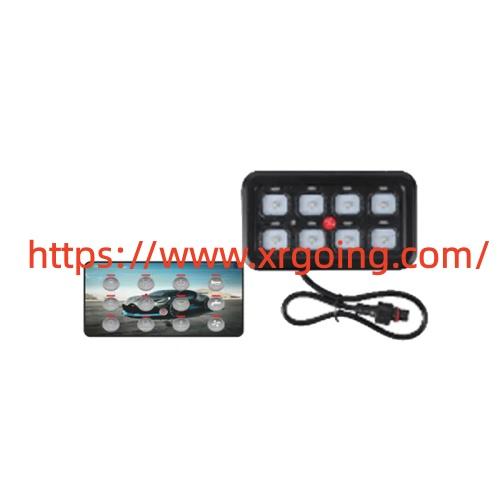
Switch Panel design is often judged by its appearance, but its real value becomes clear during daily operation. In factories, commercial facilities, machinery systems, and equipment installations, a well planned control interface helps people interact with machines in a clear and organized way. Buyers therefore need to look beyond the front surface and consider how the product fits its working environment, how easily operators can understand its functions, and how convenient it will be to maintain over time.
Material selection is an important part of this decision. Different applications create different demands, so the outer structure should be considered in relation to the installation location and expected conditions. Metal construction may be suitable for projects that require a firm enclosure and a solid industrial appearance. Certain plastic materials can offer flexibility in shape, color, and surface treatment. The choice depends on factors such as exposure to moisture, dust, cleaning products, vibration, and routine contact. Buyers should ask manufacturers about material properties and the suitability of the proposed construction for the intended application.
Appearance also has a practical role. A clean front surface, carefully arranged controls, and readable markings can help create an interface that feels organized rather than crowded. Color selection should support identification instead of becoming a decorative distraction. When labels, indicator lights, and operating elements follow a consistent visual logic, users can become familiar with the equipment through repeated use. These details are particularly relevant in workplaces where several people may operate the same machine across different shifts.
Before placing an order, buyers should define how the equipment will be used. Is it intended for a production machine, a commercial installation, a facility management system, or a customized piece of equipment? Will operators interact with it frequently, or will it mainly be used for occasional adjustments? These questions help clarify the required functions and physical arrangement. They also give the manufacturer a clearer understanding of the project instead of relying on a general product description.
Component selection deserves similar attention. Push buttons, rotary controls, indicator lights, touch interfaces, and other operating elements serve different purposes. Their selection should reflect the tasks that users need to perform. Frequently used functions should be easy to locate, while less common operations can be arranged in a way that keeps the main working area clear. Labels should use familiar wording and recognizable symbols. A logical arrangement can reduce confusion, particularly when operators need to respond to changing equipment conditions. Human interface design guidance also emphasizes visibility, grouping, feedback, and accessibility as important considerations for daily operation.
Technology can influence how a control interface communicates with the equipment around it. Depending on the project, the design may involve conventional electrical components, electronic controls, indicator systems, or connections with a wider automation arrangement. Compatibility should be discussed before production begins. Buyers can provide drawings, installation information, functional descriptions, and preferred operating methods to help the engineering team understand the intended use. This early exchange can make the design process clearer and reduce the likelihood of changes after manufacturing has started.
Maintenance is another factor that deserves attention during purchasing. A product may look compact and orderly from the outside, but technicians also need practical access to internal components when inspection or replacement becomes necessary. The arrangement of wiring, mounting points, terminals, and internal components can influence service work. Buyers should discuss access requirements and ask how routine inspection will be carried out. A design that considers maintenance from the beginning can support more convenient service throughout the equipment life cycle. Current industrial design discussions also highlight serviceability and flexible layouts as relevant considerations.
The user experience is shaped by small details that are easy to overlook during an initial quotation. Button spacing, operating direction, visual feedback, surface finish, and the position of frequently used functions all influence how people interact with equipment. A crowded arrangement may make identification difficult, while an inconsistent layout can increase the time needed for operator familiarization. Designers should consider the actual working position, viewing angle, lighting conditions, and the protective equipment that operators may wear. These practical observations help turn a product concept into a usable part of a larger machine or facility.
For distributors, equipment manufacturers, and project purchasers, communication with the supplier is part of the selection process. It is useful to confirm the intended application, available customization options, component preferences, installation method, and documentation requirements before confirming an order. Product photographs and drawings can help both sides discuss appearance and construction, while samples or technical reviews may be appropriate when a project has particular requirements.
Xiangrui focuses on providing product solutions that can be discussed in relation to different equipment and installation needs. When considering a new control interface, buyers can share their application details and preferred design direction so that product selection is connected to actual operating conditions. From material considerations and visual arrangement to component coordination and maintenance access, each detail contributes to the way the finished product fits its intended role. Visit https://www.xrgoing.com/ to view Xiangrui product information and discuss a suitable solution for your next equipment project.

 English
 French
 Spanish
 Portuguese
 Deutsch
 Turkish
 Dutch
 Italiano
 Russian
 Romaian
 Portuguese (Brazil)
 Greek