
Why Does Material Selection Matter for Kaixin Lifting Permanent Magnet
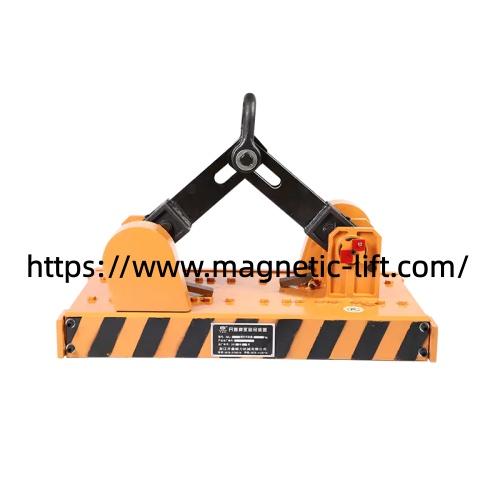
Lifting Permanent Magnet technology offers manufacturers and workshop operators a practical approach to handling compatible steel materials during daily production. In industries where metal components need to be transferred, positioned, or prepared for further processing, suitable handling equipment can influence workflow organization, workplace safety, and operator convenience. Choosing the right equipment involves more than comparing product specifications. Buyers also need to consider material characteristics, working environments, equipment construction, and the demands of their production processes.
Material selection is an important starting point when evaluating industrial handling equipment. Steel plates, iron bars, metal blocks, and other workpieces can have different surface conditions and structural characteristics. These differences influence how equipment makes contact with the material and how securely the workpiece can be supported during movement. Buyers should identify the types of materials they regularly handle before contacting a manufacturer. This information helps suppliers recommend a configuration that matches the intended application.
The construction of industrial equipment also deserves attention. A well-considered structure should accommodate regular workshop activities while allowing operators to understand the operating process. Housing materials, mechanical components, connection points, and surface finishes all contribute to the overall design. In environments where equipment is exposed to metal dust, workshop debris, and repeated handling activities, structural protection and convenient inspection are useful considerations.
Another important purchasing factor is the relationship between product design and actual working conditions. Flat steel sheets and round metal bars have different contact requirements. Irregular workpieces may introduce additional challenges because their shapes and surface conditions can affect equipment positioning. A product designed for one type of material should not automatically be assumed suitable for every other application. Buyers should communicate their specific requirements and request technical guidance before making a selection.
Operating convenience is equally relevant to industrial users. Workers often need to coordinate material movement with cutting, welding, machining, and storage activities. Equipment with a straightforward control mechanism can make routine operations easier to organize. Manual operating systems are particularly relevant in workshops where users prefer mechanical control without depending on an external electricity supply. Clear operating instructions and accessible inspection points can also support consistent working practices.
Safety should remain part of every purchasing decision. Before equipment enters regular service, operators need to understand its intended applications and operating limitations. The workpiece should be compatible with the equipment, and its weight, thickness, shape, and contact surface should be assessed. Surface contamination, uneven contact, and unsuitable material combinations can influence holding performance. Workers should follow manufacturer instructions, inspect equipment before use, and keep people away from suspended loads. Appropriate workplace procedures are also necessary when handling materials above the ground.
Product versatility is another subject worth considering. Manufacturing facilities, shipbuilding workshops, machinery producers, and metal processing businesses may have different requirements. Some operations focus on flat steel materials, while others regularly handle round sections or components with unusual shapes. Selecting equipment according to the actual application can help businesses organize their material handling processes without introducing unnecessary complexity.
For purchasing managers and distributors, communication with the manufacturer can make product evaluation more straightforward. Providing information about workpiece materials, handling methods, surface conditions, and workshop layouts gives the supplier a clearer understanding of the application. Buyers can also ask about available configurations, maintenance recommendations, replacement components, and operating instructions. These discussions help establish realistic expectations before an order is placed.
Product development also involves balancing functional requirements with appearance and usability. Industrial equipment should have a structure that supports its intended purpose while allowing workers to recognize important operating components. Handle positioning, connection arrangements, housing design, and protective finishes all contribute to the user experience. A practical design can make equipment easier to integrate into existing workshop routines.
As an industrial equipment manufacturer, Kaixin focuses on products for material handling and related industrial applications. Its product range includes manual and automatic handling equipment, electric control solutions, and other tools for steel processing and manufacturing environments. Different product configurations address different working requirements, giving customers an opportunity to compare available solutions according to their actual operations.
When evaluating industrial handling equipment, buyers should look beyond appearance and consider material compatibility, structural design, operating methods, inspection requirements, and workplace conditions together. A clear understanding of these factors makes supplier communication more productive and supports more informed purchasing decisions. Businesses planning to update their workshop equipment or source suitable products for distribution can review the available solutions from Kaixin through its product collection at https://www.magnetic-lift.com/product/ and identify options for their intended industrial applications.

 English
 Arabic
 French
 Spanish
 Portuguese
 Deutsch
 Dutch
 Italiano
 Russian
 Romaian
 Portuguese (Brazil)
 Greek