
How to Choose Reliable Spring Steel Coil Suppliers for Industrial Manufacturing
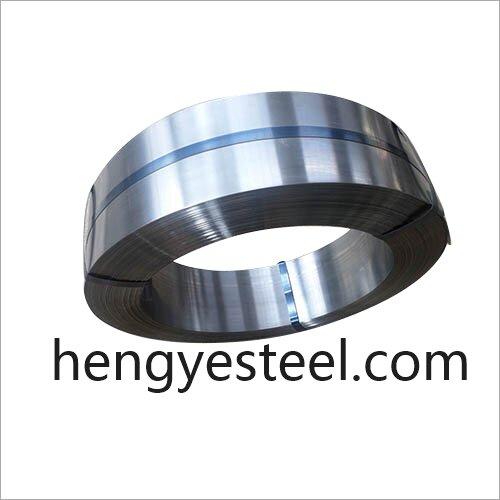
When manufacturers source materials for components that require consistent mechanical behavior, supplier selection becomes an important part of production planning. Working with experienced Spring Steel Coil Suppliers can help businesses connect material requirements with suitable manufacturing processes, especially when their products involve repeated forming, stamping, cutting, or assembly. The value of a supplier is not determined by the material alone; technical understanding, production coordination, quality management, and communication all influence the purchasing experience.
Spring steel is used in manufacturing applications where components need to respond to mechanical loads and recover their intended shape during service. Its suitability depends on the relationship between material composition, processing condition, and the design of the finished part. Different applications may require different steel grades or delivery conditions, so buyers should begin by understanding what the component must accomplish. A supplier familiar with steel strip production can help clarify material options and identify questions that should be resolved before an order enters production.
Material selection should be based on the actual manufacturing route rather than a general product description. A component produced through stamping may have different material requirements from one made through forming, cutting, or subsequent heat treatment. Buyers should explain the intended application, processing sequence, and functional expectations when requesting a quotation. This gives the supplier a clearer basis for discussing material suitability. It also reduces the risk of selecting a material that appears appropriate during purchasing but creates difficulties during downstream processing.
A useful purchasing assessment should examine several aspects of the supplier's operation. Production experience is relevant because it can indicate familiarity with different steel grades and processing requirements. Quality management is equally important, particularly when materials are used in recurring production programs. Buyers can ask how incoming materials are evaluated, how production stages are monitored, and how finished coils are inspected before shipment. Clear answers help establish whether the supplier has a structured approach to maintaining product consistency.
Manufacturers should also consider the supplier's ability to coordinate customized requirements. Industrial orders are not always identical, even when they involve similar materials. Changes in component design, production methods, or customer expectations may require adjustments to material selection or processing arrangements. A supplier that can communicate with purchasing teams and technical personnel makes these discussions easier. Before confirming an order, buyers should clarify which requirements can be accommodated and how any changes will be reviewed.
Production technology plays an important role in turning raw steel into material suitable for industrial use. Processes such as cold rolling, annealing, heat treatment, leveling, and slitting may contribute to the final condition of steel strip. The specific process route depends on the product and its intended application. Manufacturers should therefore look beyond general claims about advanced equipment and ask how production methods relate to their actual requirements. Technical discussions are more productive when they focus on the connection between processing decisions and the performance expected from the finished component.
The experience of receiving and using the material also matters. Coils need to arrive in a condition that supports inspection, storage, and production preparation. Packaging should protect the material during transportation and make handling practical for warehouse personnel. Clear labels and order documentation can help receiving teams identify different batches and allocate materials to the correct production plans. These details support better coordination between procurement, warehousing, and manufacturing departments.
Appearance is another consideration during material inspection and handling. Buyers may review surface condition, edge presentation, coil arrangement, and packaging quality when evaluating a delivery. A consistent and clearly identified product is easier to inspect and manage within an organized factory environment. Although appearance alone cannot establish whether steel is suitable for an application, visible conditions can help receiving teams identify issues that require further examination. Establishing inspection expectations before shipment can make communication more straightforward if a concern arises.
Supplier cooperation should continue after the first order. Manufacturers benefit from keeping records of material approvals, inspection feedback, processing results, and delivery experiences. These records provide a reference when placing repeat orders or discussing adjustments. Regular communication can also help suppliers understand changes in demand and production schedules. For businesses managing multiple component lines, a dependable relationship can make sourcing decisions more organized and reduce the need to explain basic requirements repeatedly.
Dongyang Hengye Steel Strip Co., Ltd. focuses on precision cold-rolled steel strip and heat-treated alloy steel strip production, serving applications across industries such as automotive components, garden tools, medical devices, and textile machinery. Its product range provides a starting point for manufacturers evaluating steel strip options for different processing needs. Buyers can discuss their intended applications, material expectations, and production arrangements directly with the company when assessing a potential supply relationship.
For manufacturers reviewing their sourcing strategies, supplier evaluation is most useful when it considers the complete purchasing and production experience. Material suitability, processing knowledge, quality procedures, order communication, packaging, and ongoing service all contribute to how effectively a supply relationship supports manufacturing operations. To learn more about Dongyang Hengye Steel Strip Co., Ltd. and its steel strip products, visit https://www.hengyesteel.com/

 English
 Arabic
 French
 Spanish
 Portuguese
 Deutsch
 Turkish
 Dutch
 Italiano
 Russian
 Romaian
 Greek