
Eyelid Surgery for Double Eyelids: What Should You Know?
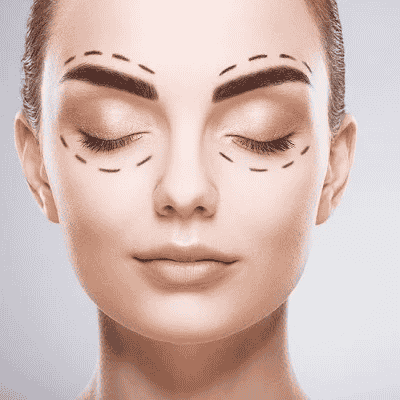
Eyelid surgery for double eyelids has become a popular cosmetic procedure among individuals who want to create a more defined upper eyelid crease and achieve a balanced eye appearance. Some people naturally have double eyelids, while others have a single eyelid or an uneven crease. These natural differences can influence how the eyes look, particularly when the eyes are open or when makeup is applied. Modern cosmetic procedures offer different ways to create or enhance an eyelid crease while maintaining a natural-looking appearance.
For individuals exploring cosmetic improvements, Eyelid Surgery in Oman is an option worth understanding before making a decision. The procedure, commonly known as double eyelid surgery or Asian blepharoplasty, focuses on creating a visible upper eyelid fold according to individual facial features and aesthetic preferences. Understanding the available techniques, recovery process, potential benefits, and possible risks can help individuals make informed decisions about whether this treatment is appropriate for them.
1. What Is Double Eyelid Surgery?
Double eyelid surgery is a cosmetic procedure designed to create or enhance a natural-looking crease in the upper eyelid. The crease separates the eyelid into two visible sections, giving the eyes a more defined appearance. While some individuals are born with this fold, others naturally have a single eyelid without a prominent crease.
The procedure is particularly popular among people who want their upper eyelids to appear more structured without significantly changing their natural eye shape. Depending on the individual's anatomy, the surgery may involve removing or repositioning small amounts of skin, fat, or tissue to establish a more noticeable eyelid fold.
There are several reasons why someone may consider this treatment, including:
-
Creating a more visible and defined upper eyelid crease.
-
Improving the symmetry of uneven eyelids.
-
Enhancing the overall appearance of the eyes.
-
Addressing excess upper eyelid skin when appropriate.
-
Achieving a more balanced appearance between the eyes and other facial features.
It is important to understand that double eyelid surgery is not intended to make every person's eyes look identical. Instead, the goal is to create a crease that complements the individual's natural facial structure.
2. Different Techniques Used for Double Eyelid Surgery
The appropriate surgical technique depends on eyelid thickness, skin elasticity, fat distribution, and the desired outcome. A qualified medical professional evaluates these factors before recommending a suitable approach.
Incisional Technique
The incisional technique involves making a carefully planned incision along the desired eyelid crease. Through this incision, the surgeon can adjust underlying tissues and, when necessary, remove small amounts of excess skin or fat.
This method is often considered for individuals with thicker eyelids, excess skin, or more substantial fatty tissue. It allows greater control over crease formation and can provide a more established eyelid fold.
However, this technique involves a longer recovery period compared with less invasive approaches. Temporary swelling, bruising, and visible incision lines are expected during the initial healing stages. The final appearance generally becomes clearer as the tissues settle.
Non-Incisional or Suture Technique
The non-incisional technique creates an eyelid crease using carefully placed sutures without making a continuous incision. Small openings may be used to secure the underlying tissues and establish the desired fold.
This approach may be appropriate for individuals with relatively thin eyelids, minimal excess skin, and suitable tissue characteristics.
Potential advantages include:
-
Smaller entry points.
-
Less tissue disruption.
-
Generally shorter initial recovery.
-
No long continuous incision line.
-
A potentially more straightforward healing process.
However, the technique may not be suitable for everyone. The crease may also become less defined or disappear over time in some cases.
Which Technique Is More Suitable?
There is no universally ideal technique for double eyelid surgery. Individuals with thicker eyelids may benefit from an incisional approach, while those with thinner eyelids may be suitable candidates for a non-incisional method.
A proper consultation is essential because the most appropriate option depends on individual anatomy rather than personal preference alone.
3. Who Is a Suitable Candidate for Double Eyelid Surgery?
Double eyelid surgery may be suitable for adults who want to create a visible upper eyelid crease or improve the appearance of an existing fold.
However, having a particular eyelid shape does not automatically mean someone needs surgery. The decision should be based on personal preferences, realistic expectations, and medical suitability.
Potential candidates may include individuals who:
-
Have naturally single eyelids and want a defined crease.
-
Have uneven or asymmetrical upper eyelid folds.
-
Have eyelids that appear heavy because of excess skin or tissue.
-
Want a more noticeable eyelid contour.
-
Are in generally good health.
-
Understand the potential benefits and limitations of the procedure.
-
Have realistic expectations about cosmetic results.
Individuals with certain eye conditions, dry eyes, previous eyelid surgeries, or medical conditions affecting healing may require additional assessment before considering treatment.
It is also important to distinguish between cosmetic eyelid concerns and functional problems. For example, drooping eyelids that interfere with vision may require a different medical evaluation and treatment approach.
A thorough examination helps determine whether double eyelid surgery is appropriate and whether another procedure may better address the individual's concerns.
4. What Happens During the Eyelid Surgery Procedure?
Understanding the surgical process can help reduce uncertainty for individuals considering double eyelid surgery.
The procedure generally begins with a consultation, during which the medical professional examines the eyelids, discusses the desired crease position, and evaluates the individual's eye anatomy.
Photographs may also be taken to assess eyelid symmetry and assist with treatment planning.
Before the Procedure
Before surgery, the individual receives instructions regarding preparation. These may include:
-
Sharing a complete medical and medication history.
-
Discussing existing eye conditions or previous procedures.
-
Following instructions about medications that may increase bleeding.
-
Avoiding smoking for the recommended period.
-
Arranging transportation and assistance after surgery if sedation is used.
The intended crease is carefully planned according to the individual's facial proportions and eyelid structure.
During the Procedure
Double eyelid surgery may be performed using local anaesthesia, sometimes with sedation, depending on the surgical technique and individual circumstances.
For an incisional procedure, a planned incision is made along the upper eyelid. The underlying tissues are adjusted to create the desired fold. If necessary, a limited amount of excess skin or fat may be addressed.
For a non-incisional technique, sutures are placed through small openings to establish the crease without a continuous incision.
The procedure's duration varies according to the technique and complexity.
Immediately After Surgery
Following the procedure, the individual is monitored during the initial recovery period. Mild swelling, bruising, tightness, and temporary discomfort are common.
Cold compresses may be recommended during the early recovery period, provided they are used according to medical instructions.
The medical professional also provides guidance regarding cleaning the eyelids, medication use, sleeping positions, and follow-up appointments.
5. Recovery, Results, and Possible Risks of Double Eyelid Surgery
Recovery is an important part of achieving a satisfactory outcome. Although the initial healing period may be relatively short, the eyelids can take several weeks or longer to settle into their final appearance.
What to Expect During Recovery
During the first few days, swelling and bruising are generally more noticeable. The eyelids may also feel tight or slightly uncomfortable.
During the first one to two weeks, these symptoms usually begin to improve. Individuals may gradually return to normal daily activities depending on their healing progress and medical advice.
Over the following weeks, swelling continues to decrease, and the eyelid crease becomes more defined.
Final results may take several months to become fully apparent, particularly after an incisional procedure.
Tips for Supporting Proper Healing
Following post-operative instructions can help support recovery and reduce the likelihood of complications.
Helpful recommendations may include:
-
Keeping the eyelid area clean as instructed.
-
Using prescribed medications correctly.
-
Applying cold compresses when recommended.
-
Avoiding rubbing, pressing, or pulling the eyelids.
-
Sleeping with the head slightly elevated during the early recovery period.
-
Avoiding strenuous exercise until medically cleared.
-
Wearing sunglasses outdoors to protect sensitive eyes.
-
Attending all scheduled follow-up appointments.
Contacting a medical professional is important if there is increasing pain, sudden vision changes, significant bleeding, worsening redness, or unusual discharge.
Possible Risks and Complications
Like any surgical procedure, double eyelid surgery involves potential risks. These may include:
-
Infection.
-
Bleeding or excessive bruising.
-
Temporary or persistent swelling.
-
Visible scarring.
-
Uneven eyelid creases.
-
Difficulty closing the eyes completely.
-
Dryness or irritation.
-
Changes in eyelid sensation.
-
Dissatisfaction with the cosmetic outcome.
Serious complications are uncommon but can occur. A thorough assessment, appropriate surgical planning, and proper aftercare help reduce avoidable risks.
6. How to Prepare for Double Eyelid Surgery in Oman
Individuals considering eyelid surgery should take time to understand the procedure and evaluate their options before proceeding.
Preparation begins with choosing an appropriately qualified and experienced surgeon who understands eyelid anatomy and cosmetic facial procedures.
A consultation should provide an opportunity to discuss the desired results, available techniques, recovery expectations, and possible complications.
Several important questions can help individuals make an informed decision:
-
Which surgical technique is suitable for the individual's eyelid structure?
-
How noticeable will the crease appear after healing?
-
What are the limitations of the procedure?
-
How long should recovery take?
-
Will the procedure affect existing eye conditions?
-
What complications should be considered?
-
What follow-up care will be required?
Individuals should also consider whether their expectations are realistic. A natural-looking result generally involves creating a crease that complements the person's facial proportions rather than dramatically changing their appearance.
Another important consideration is that eyelid surgery does not stop the natural ageing process. Changes in skin elasticity and facial tissues may continue over time.
Taking an informed and careful approach helps individuals understand what surgery can realistically achieve and whether it aligns with their personal goals.
Frequently Asked Questions About Double Eyelid Surgery
1. Is double eyelid surgery permanent?
The results of double eyelid surgery can be long-lasting, particularly when an incisional technique is used. However, the ageing process and natural changes in eyelid tissues can influence the appearance of the crease over time. Non-incisional techniques may have a greater possibility of the crease becoming less prominent or disappearing.
2. Is double eyelid surgery painful?
The procedure is generally performed under local anaesthesia, sometimes with sedation, to minimise discomfort during surgery. After the procedure, mild soreness, tightness, and swelling may occur. These symptoms usually improve with time and appropriate aftercare.
3. How long does it take to recover from double eyelid surgery?
Initial recovery commonly takes around one to two weeks, although individual healing times vary. Bruising and swelling generally improve during this period. Complete settling of the eyelid crease may take several months.
4. Will double eyelid surgery change the natural shape of the eyes?
The procedure primarily focuses on creating or enhancing the upper eyelid crease. It does not necessarily change the overall eye shape. The final appearance depends on the individual's anatomy, surgical technique, and crease design.
5. Can double eyelid surgery correct uneven eyelids?
Yes, the procedure may help improve the appearance of asymmetrical eyelid folds. However, perfect symmetry cannot be guaranteed because natural differences in facial anatomy may remain after surgery.
6. How can someone know whether they need incisional or non-incisional eyelid surgery?
The choice depends on eyelid thickness, skin elasticity, fat distribution, and the presence of excess skin. An experienced medical professional can examine these factors and recommend the most appropriate technique.
Final Thoughts
Double eyelid surgery can help individuals achieve a more defined upper eyelid crease and improve the overall appearance of their eyes. However, selecting the right technique, understanding the recovery process, and having realistic expectations are essential parts of a positive treatment experience.
Anyone considering this procedure should prioritise medical suitability, proper consultation, and safe surgical practices. By understanding the available options and potential outcomes, individuals can make more confident decisions about their cosmetic goals.
Read More About Eyelid Surgery: https://autonomouscommunities.com/blogs/4207/Eyelid-Surgery-What-Are-the-Most-Common-Reasons-Patients-Choose

 English
 Arabic
 French
 Spanish
 Portuguese
 Deutsch
 Turkish
 Dutch
 Italiano
 Russian
 Portuguese (Brazil)
 Greek