
Gangnam Electric Fan Injection Mould Design Ideas Worth Exploring
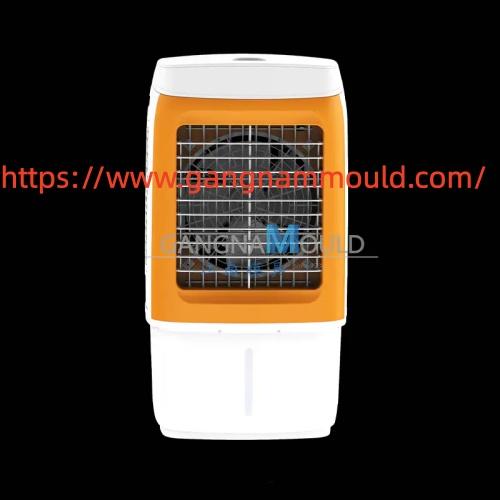
Electric Fan Injection Mould development involves more than shaping an appliance housing. Behind the familiar appearance of a household cooling device are engineering decisions related to airflow, structural stability, component assembly, material selection, and manufacturing processes. As consumers pay attention to appearance, operating comfort, and household appliance design, manufacturers need to consider how product structure and tooling development work together from the beginning.
A cooling appliance may look simple from the outside, but its internal and external components serve different purposes. The front grille protects moving parts while allowing air to pass through. The rear housing supports internal components, and the base provides stability during everyday use. Buttons, adjustment features, cable arrangements, and decorative covers also influence the overall product structure.
These components need to be considered as part of one coordinated design. A change to the housing shape may affect internal space, assembly positions, or the arrangement of ventilation openings. For product developers, early communication between industrial designers and engineering teams can help identify possible conflicts before manufacturing begins.
Material selection is another important consideration. Different plastic materials offer different combinations of stiffness, impact resistance, heat behavior, and processing characteristics. Manufacturers may evaluate polypropylene, ABS, or other suitable materials according to the intended application and component requirements.
The selected resin should also match the expected environment. Components located near heat-producing parts may require different material considerations from decorative external covers. Similarly, parts exposed to repeated handling should be evaluated for their structural and surface requirements. Material selection should therefore be based on the actual function of each component rather than appearance alone.
Airflow design provides another interesting direction for product development. The shape and arrangement of grille openings can influence how air moves through the appliance. Their spacing, orientation, and surrounding geometry need to be considered alongside safety requirements and visual preferences. Designers also need to account for how these openings affect cleaning and dust accumulation during regular use.
Housing design can influence the overall experience as well. Rounded edges, balanced proportions, and carefully positioned controls can make an appliance feel more natural within a living space. Some customers prefer understated designs that blend with furniture, while others may prefer a more noticeable appearance with distinctive surface details.
Color selection and surface finishing also contribute to product identity. Matte textures can create a different visual impression from glossy finishes, while decorative patterns may help manufacturers develop product variations for different customer groups. However, these choices should be evaluated in relation to the selected material and the capabilities of the manufacturing process.
From an engineering perspective, injection tooling needs to accommodate the geometry and functional requirements of each component. Gate placement, material flow, cooling arrangements, venting, and ejection methods all influence the production process. Components with curved surfaces, narrow openings, or integrated fastening features may require additional attention during tooling development.
Wall thickness distribution is another important design consideration. Uneven sections can influence cooling behavior and may contribute to deformation or surface inconsistencies. Reinforcing ribs and suitable draft angles can support structural planning and facilitate part release. Engineers need to consider these features together instead of making isolated adjustments to individual sections.
Assembly compatibility should also be reviewed during product development. A housing may need to connect with internal supports, control panels, grille components, and fastening structures. Accurate positioning and suitable connection methods help different parts work together during assembly. Reviewing these relationships before tooling production can help reduce unnecessary design changes.
For manufacturers planning a new appliance, prototype evaluation can provide useful feedback. Engineers and product teams can examine assembly access, surface appearance, component alignment, and handling convenience. Feedback from these reviews may lead to adjustments in geometry, material selection, or tooling arrangements before regular production starts.
Choosing a manufacturing partner requires attention to more than equipment and production facilities. Buyers should also consider design communication, engineering support, project coordination, quality management, and the supplier ability to understand the intended application. Clear drawings and detailed product requirements can help both parties establish a practical development direction.
Gangnam focuses on connecting customer concepts with injection tooling development and manufacturing requirements. For appliance projects, this involves considering component geometry, material characteristics, assembly relationships, and the intended appearance of the finished product. Coordinated engineering discussions can help customers evaluate their concepts before moving into tooling production.
As household appliance designs continue to evolve, manufacturers need to balance visual identity, functional requirements, material behavior, and production feasibility. Careful planning can help turn an initial concept into components suited to real manufacturing conditions. Businesses developing cooling appliances or customized plastic components can visit https://www.gangnammould.com/ to review Gangnam services and discuss their project requirements. Bringing product design and tooling considerations together early can provide a clearer direction for future appliance development.

 Arabic
 French
 Spanish
 Portuguese
 Deutsch
 Turkish
 Dutch
 Italiano
 Russian
 Romaian
 Portuguese (Brazil)
 Greek