
OEM IGBT Welding Equipment Technology | AUOKVS
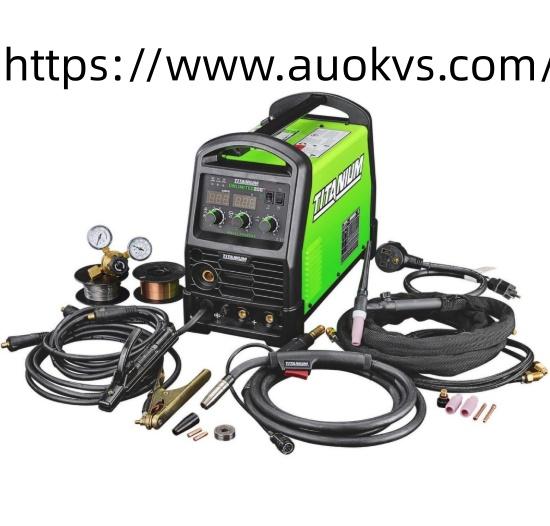
Modern welding operations require equipment that can respond to changing production demands while maintaining stable operating conditions. When manufacturers evaluate OEM IGBT Welding Equipment , they often consider electrical performance, operating flexibility, and compatibility with different welding applications. Choosing suitable OEM IGBT Welding Equipment also involves understanding how inverter technology influences energy use, equipment design, and everyday working efficiency. A thoughtful selection process helps businesses identify solutions that match their production environments and support consistent manufacturing activities.
Understanding IGBT Technology in Welding Applications
IGBT technology plays an important role in modern inverter-based welding equipment. It helps manage electrical switching and supports the conversion of electrical power into an output suitable for welding operations. Compared with traditional equipment designs, inverter-based systems can offer a more compact structure and flexible control possibilities.
For manufacturers, understanding this technology is useful when comparing different equipment configurations. Electrical stability, output adjustment, and operating response are important factors that may influence the welding experience. These characteristics should be evaluated according to the materials, joint structures, and working conditions involved in actual production.
IGBT-based designs are used in different welding applications because they allow manufacturers to develop equipment around specific operating requirements. However, the final performance still depends on the overall circuit design, component selection, cooling arrangements, and control system.
Selecting Equipment According to Production Requirements
Different manufacturing environments have different expectations for welding equipment. A workshop handling thin metal components may require different output settings from a facility processing thicker workpieces. Therefore, equipment selection should begin with a clear understanding of the intended applications.
Material type, thickness, welding method, and expected working frequency are useful starting points. Buyers should also consider whether the equipment will be used for occasional maintenance, continuous production, or several different welding tasks.
Another factor is the available power supply. Checking input voltage requirements and electrical conditions before purchasing can help prevent compatibility problems during installation. Manufacturers should also review the equipment's operating range to determine whether it suits their regular production activities.
A suitable configuration should balance functional requirements with practical operating conditions rather than focusing on individual specifications alone.
Auokvs: Exploring OEM IGBT Welding Solutions
For businesses researching welding equipment, Auokvs offers a starting point for exploring products and understanding different industrial application requirements. When evaluating potential suppliers, buyers should pay attention to product configurations, available technical information, and communication during the selection process.
OEM projects may involve different expectations depending on the intended market and production environment. Some customers prioritize equipment dimensions, while others focus on control arrangements, appearance, electrical specifications, or supporting accessories.
Clear communication is especially important when discussing customized requirements. Buyers can prepare information about their target applications, preferred welding processes, and expected operating conditions before contacting a supplier.
It is also helpful to clarify packaging, documentation, testing arrangements, and other purchasing details. A complete discussion can make cooperation more organized and reduce misunderstandings during product development and order preparation.
Managing Heat Dissipation and Component Protection
Heat management is an important consideration in inverter welding equipment. Electrical components generate heat during operation, and an appropriate cooling arrangement helps maintain suitable working conditions.
Cooling fans, ventilation openings, and internal component layouts should be considered as part of the overall equipment design. Dust accumulation can affect ventilation, so regular cleaning is useful, particularly in workshops where metal particles and other airborne materials are common.
Manufacturers should also pay attention to the surrounding operating environment. Excessive dust, moisture, and unsuitable storage conditions may influence equipment reliability. Following the manufacturer's installation and maintenance instructions helps operators manage these environmental factors.
In addition, electrical connections and cables should be inspected periodically. Identifying damaged insulation, loose connections, or unusual operating behavior at an early stage can help reduce unexpected interruptions.
Improving Welding Consistency Through Proper Operation
Even well-designed equipment requires appropriate operating practices to achieve consistent results. Before starting a welding task, operators should check the workpiece surface, joint preparation, cable connections, and selected settings.
Different materials and thicknesses may require different current levels and welding procedures. Operators should follow suitable process guidance instead of applying identical settings to every project.
Training also contributes to better production management. Employees who understand equipment controls, adjustment methods, and basic troubleshooting procedures can respond more effectively to changing working conditions.
Manufacturers can establish simple inspection records to document equipment maintenance, operating issues, and process adjustments. Reviewing these records helps identify recurring problems and provides useful information for future production planning.
As industrial applications continue to develop, selecting suitable equipment requires attention to technology, configuration, and actual working conditions. Businesses interested in OEM welding solutions and related product information can visit https://www.auokvs.com/ to explore available options and learn more about industrial welding applications.

 English
 Arabic
 French
 Spanish
 Portuguese
 Deutsch
 Turkish
 Dutch
 Russian
 Romaian
 Portuguese (Brazil)
 Greek