
Industrial Cyber Security Market Trends Embrace AI Monitoring and Zero Trust Architecture
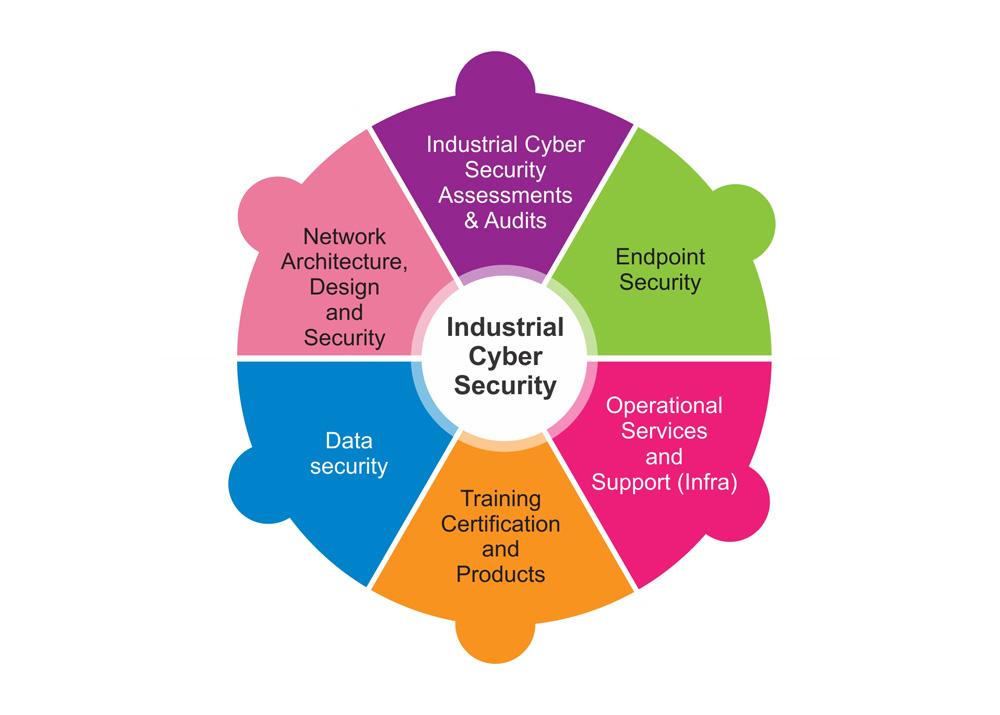
Evolving Industrial Security Landscape
The Industrial Cyber Security Market Trends reflect changing threat dynamics, expanding digital connectivity of industrial systems, and growing recognition that operational technology requires specialized security approaches. Traditional air-gapped industrial networks are increasingly connected to enterprise systems and remote access capabilities, creating new opportunities for both efficiency and risk. Cloud-based monitoring, artificial intelligence, and zero trust principles are being adapted for industrial contexts. These trends vary by industry sector, organization size, and existing security maturity. Some developments address immediate operational challenges such as legacy system protection, while others aim to improve long-term visibility and resilience across increasingly connected industrial environments.
AI-Powered Industrial Monitoring
Artificial intelligence is being applied to industrial security to improve detection accuracy in complex operational environments. Machine learning models can analyze communication patterns between control devices to identify anomalies that may indicate compromise, misconfiguration, or equipment malfunction. Behavioral baselines can be established for normal industrial operations and deviations flagged for review. These capabilities help analysts focus attention on genuine concerns rather than reviewing every event manually. However, industrial environments have unique characteristics including periodic operations and seasonal variations that can affect model accuracy. Buyers should understand how models handle industrial-specific patterns, what training data is required, and how human oversight is incorporated. Responsible AI implementation respects operational context.
Zero Trust for Operational Technology
Zero trust principles are being adapted for industrial environments through verification of every connection and access attempt regardless of network location. This approach challenges traditional assumptions about trusted industrial zones and network perimeters. Access controls, device authentication, and least privilege principles help ensure that only authorized systems can communicate with critical control equipment. Implementing zero trust in industrial settings requires careful consideration of operational requirements because control systems often need predictable, low-latency communication paths. Organizations should assess their current industrial network architecture and plan gradual implementation that improves security without introducing unacceptable delays or reliability concerns that could affect safety-critical operations.
Cloud-Based Industrial Security
Cloud-delivered security monitoring and management tools are gaining adoption as organizations seek scalable solutions for industrial security operations. Cloud platforms can aggregate data from multiple industrial sites, providing centralized visibility and consistent policy management across distributed operations. This approach reduces the need for extensive on-site security infrastructure while enabling access to advanced analytics capabilities. However, cloud connectivity in industrial environments must be implemented carefully to maintain network reliability and safety. Data handling considerations include what industrial information is transmitted to cloud services and how it is protected. Buyers should evaluate how cloud-based tools maintain protection during connectivity interruptions and how they respect industrial operational constraints.
Convergence and Integration Trends
Industrial cyber security trends increasingly reflect the need for coordinated approaches that bridge IT and OT security disciplines. Security platforms that can monitor both enterprise and operational networks provide better visibility into cross-domain threats and communication pathways. Integration with industrial asset management, maintenance systems, and operational analytics platforms helps embed security into routine industrial operations. This convergence trend requires collaboration between security teams and operational personnel to develop shared understanding and coordinated response procedures. Organizations that successfully integrate industrial cyber security into broader operational practices may achieve stronger protection while supporting digital transformation goals that improve efficiency and data-driven decision-making across industrial environments.
➤ In-Depth Market Studies by Market Research Future:

 English
 Arabic
 French
 Portuguese
 Deutsch
 Turkish
 Dutch
 Italiano
 Russian
 Romaian
 Portuguese (Brazil)
 Greek