
How Does carbidebursfactory Help Buyers Compare Cutting Tools?
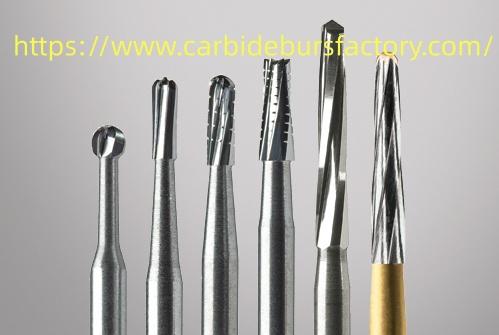
Carbide Rotary Burs are used in metalworking, mold finishing, deburring, and surface preparation, and carbidebursfactory offers product options for businesses with different machining requirements. Before placing an order, buyers should evaluate workpiece materials, cutting head geometry, dimensions, operating conditions, and manufacturing consistency. Reviewing these factors helps purchasing teams identify suitable specifications and communicate their needs clearly with suppliers.
Match the Tool to the Workpiece Material
The material being processed is an important factor in tool selection. Aluminum, carbon steel, stainless steel, cast iron, and other metals differ in hardness, chip formation, and machining behavior. A tool suitable for one material may not deliver the same results on another.
Buyers should explain which materials they process and describe their intended operations. Typical applications include removing burrs, shaping edges, cleaning welds, refining mold surfaces, and preparing components for further manufacturing.
It is also useful to specify the required surface condition and the amount of material to be removed. These details help suppliers recommend appropriate configurations and reduce the likelihood of purchasing products that do not match actual production needs.
Select a Suitable Cutting Head Shape
Cutting head geometry affects accessibility, material removal, and the areas a tool can reach. Common profiles include cylindrical, spherical, oval, pointed, and flame-shaped designs, each serving different machining requirements.
Cylindrical profiles may suit flat surfaces, slots, and edges. Spherical designs can help with curved surfaces and rounded contours, while pointed profiles may be useful for narrow spaces and intricate features.
Buyers should consider the shape and structure of the workpiece before choosing a profile. Head diameter and length are especially relevant when components contain deep grooves or restricted areas.
Providing technical drawings or reference photographs can help suppliers understand the intended application and identify appropriate product options.
Compare Tooth Patterns and Cutting Performance
Tooth configuration influences cutting behavior and the resulting surface condition. Different patterns may be suitable for specific materials, material removal requirements, and finishing tasks.
Before ordering, buyers should discuss their intended application with the supplier. Consider whether the operation involves removing excess material, shaping a component, or refining a surface. These requirements can affect the choice of cutting configuration.
Sample testing provides practical information before a larger purchase. Using representative workpiece materials and appropriate equipment settings, operators can assess cutting behavior, vibration, surface quality, and ease of control.
Recording test results helps purchasing teams compare options and provide clear feedback. It can also support future decisions when a workshop needs to replace existing tools or introduce additional product sizes.
Verify Dimensions and Equipment Compatibility
Buyers should confirm the cutting head diameter, head length, overall length, and shank diameter before placing an order. These measurements determine whether the product fits the intended equipment and reaches the required working area.
The shank must match the handpiece, die grinder, or other compatible machine. Operating speed should also remain within the manufacturer's specified range. Following the recommended operating instructions helps support safe handling and consistent machining conditions.
For businesses purchasing several models, a specification sheet makes comparison easier. Listing dimensions, quantities, and intended applications reduces the risk of ordering errors and helps purchasing teams communicate requirements accurately.
It is also worth checking whether the supplier can provide the required dimensions for repeat orders, especially when production depends on consistent tool specifications.
Review Quality Control and Packaging
Product quality should be evaluated against agreed specifications rather than appearance alone. Buyers can ask suppliers about inspection procedures for dimensional accuracy, shank straightness, cutting head condition, and consistency between production batches.
Sample evaluation can reveal differences in cutting behavior, vibration, or surface finish before a larger order is confirmed. Inspection criteria should be agreed upon in advance so that both parties understand the required conditions.
Packaging also matters during storage and transportation. Cutting edges and shanks need appropriate protection against damage. Distributors may require individual packages, product labels, barcodes, or specific quantities per box.
Confirming these details before production helps align the shipment with warehouse procedures and customer requirements.
Check Commercial Terms Before Ordering
Technical suitability is only one part of a purchasing decision. Buyers should review unit prices, minimum order quantities, production lead times, payment conditions, packaging options, and shipping arrangements.
For customized requirements, written confirmation is particularly helpful. Product drawings, approved samples, and detailed specifications can reduce misunderstandings about dimensions and cutting configurations.
Buyers should also clarify how the supplier handles specification changes, quality concerns, and repeat orders. For distributors, the availability of different profiles and sizes may influence inventory planning and customer service.
Comparing suppliers against the same checklist provides a consistent basis for evaluating both technical and commercial requirements. It also helps businesses plan purchases around actual demand rather than ordering products without a clear application.When sourcing industrial cutting tools, carbidebursfactory welcomes inquiries about product specifications, dimensions, and application requirements. Buyers can review available options at https://www.carbidebursfactory.com/product/ and contact the supplier to discuss workpiece materials, packaging preferences, and intended machining tasks before confirming an order.

 English
 Arabic
 French
 Spanish
 Deutsch
 Turkish
 Dutch
 Italiano
 Russian
 Romaian
 Portuguese (Brazil)
 Greek