
Military Land Vehicles Market Emphasizes Mobility Across Diverse Terrains
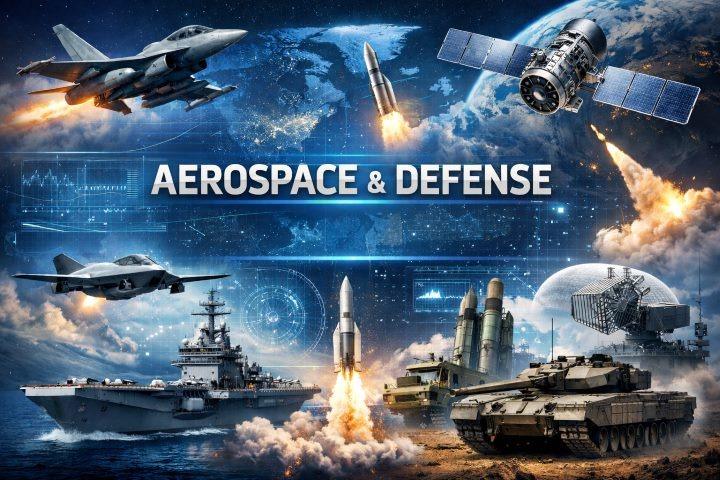
Mobility remains a fundamental requirement in the military land vehicles market, as defense organizations need platforms capable of operating across varied landscapes and environmental conditions. Vehicles may be required to travel on paved roads, unpaved routes, uneven ground, or challenging terrain while carrying personnel, supplies, and mission equipment. These requirements influence vehicle design, procurement, maintenance, and modernization strategies.
The military land vehicles market is influenced by defense investment, evolving mobility requirements, technological development, and demand for dependable vehicle fleets. Vehicle selection depends on intended use, terrain, payload, protection, transport requirements, and the availability of maintenance support.
Wheeled and Tracked Vehicle Categories
Wheeled and tracked vehicles provide different mobility characteristics. Wheeled platforms are commonly used for transportation, tactical mobility, and logistics, while tracked platforms are designed for applications where their particular traction and terrain-handling characteristics are beneficial.
The choice between them depends on the vehicle's intended role, operating environment, road infrastructure, maintenance requirements, and lifecycle costs. No single mobility configuration is ideal for every application.
Vehicle Design and Terrain Adaptability
Suspension systems, tires or tracks, ground clearance, weight distribution, and overall vehicle dimensions can influence how a platform performs in different environments. Engineers must balance mobility with protection, payload, reliability, and ease of maintenance.
Environmental conditions also matter. Temperature extremes, dust, moisture, and uneven surfaces can affect vehicle components and increase maintenance demands. Appropriate testing and servicing are important for maintaining reliability under different operating conditions.
Logistics and Transportation Requirements
Military land vehicles support more than direct combat functions. Transport and logistics platforms move personnel, supplies, equipment, and essential materials between locations. Their effectiveness depends on reliability, payload capacity, fuel efficiency, and the availability of suitable routes.
Defense organizations must also consider how vehicles can be transported to different regions and supported after arrival. Spare parts, trained technicians, and maintenance facilities are important elements of mobility planning.
Technology and Fleet Monitoring
Digital monitoring and vehicle diagnostics can help operators track performance and identify maintenance requirements. Fleet-management systems may also improve visibility into vehicle availability and help organize servicing.
New technologies must be evaluated for reliability, cybersecurity, cost, and compatibility with existing systems. Technical improvements provide the greatest value when they meet practical requirements without creating unnecessary maintenance burdens.
Market Challenges and Opportunities
Military vehicle procurement involves high costs, lengthy evaluations, and complex support requirements. Different terrain conditions and operational roles also make it difficult to standardize every vehicle across a fleet.
Opportunities may emerge from vehicle modernization, improved maintenance systems, adaptable designs, and technologies that enhance reliability and energy efficiency. Defense organizations will continue to assess these developments against their specific requirements and budgets.
Future Market Outlook
The military land vehicles market will continue to depend on the need for reliable transportation, protected mobility, logistics support, and fleet modernization. Advances in vehicle engineering and monitoring technologies may improve performance and maintenance planning, but practical suitability will remain the deciding factor.
Long-term market development will depend on balancing terrain adaptability, reliability, protection, payload, and lifecycle costs.
Frequently Asked Questions
1. What factors influence military vehicle mobility?
Terrain, vehicle weight, suspension, tires or tracks, payload, environmental conditions, and maintenance support influence mobility.
2. What is the difference between wheeled and tracked military vehicles?
Wheeled vehicles are often suited to transportation and road mobility, while tracked platforms can offer advantages in certain challenging terrain conditions.
3. Why is mobility important in the military land vehicles market?
Mobility supports personnel transportation, logistics, access to different environments, and the ability to perform assigned tasks reliably.

 English
 Arabic
 French
 Spanish
 Portuguese
 Deutsch
 Turkish
 Dutch
 Italiano
 Russian
 Romaian
 Greek