
What Should Buyers Check in Chendiao High Speed Circular Saw Machine For Metal
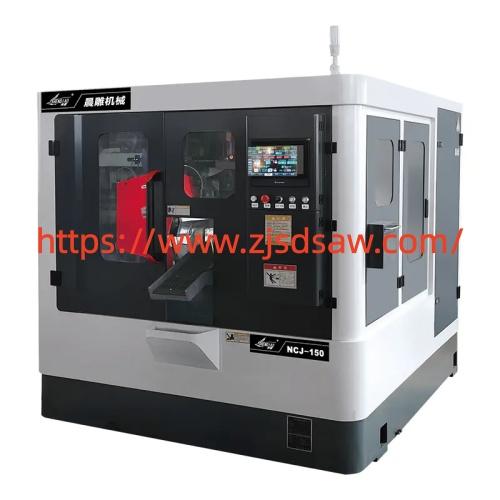
High Speed Circular Saw Machine For Metal selection begins with a close look at your production requirements, the materials being processed, and the dimensions of the finished components. For manufacturers managing regular orders, purchasing industrial cutting equipment involves more than comparing quotations. Blade compatibility, processing capacity, positioning accuracy, maintenance arrangements, and operator safety all influence whether a machine fits the demands of a working factory.
The first step is to identify the materials your workshop handles most frequently. Carbon steel, stainless steel, aluminum, and copper alloys have different cutting characteristics. Material hardness, cross sectional shape, and thickness can affect the required blade type, rotational speed, and feeding method. A factory processing aluminum profiles may need a different configuration from a workshop cutting solid steel bars. Prepare a list of common materials and dimensions before contacting suppliers, including any larger workpieces anticipated in future orders.
Cutting capacity should be checked against actual production requirements. Review the maximum permitted dimensions for round bars, rectangular stock, tubes, and other profiles relevant to your business. Also consider the smallest pieces that must be held securely during processing. A machine with a suitable nominal capacity may still be inconvenient if its clamping arrangement does not accommodate your regular workpieces. Asking for detailed capacity information can help prevent costly mismatches after delivery.
Blade selection deserves equal attention. Tooth geometry, blade diameter, material composition, and operating speed must suit both the machine and the stock being processed. For example, a blade designed for aluminum may not be appropriate for every steel application. Buyers should ask the supplier which tooling is recommended for their materials and whether replacement blades or sharpening services are available. The relationship between blade selection, feed settings, and material characteristics can influence cutting quality, tool wear, and operating expenses.
Another important consideration is how the equipment controls the cutting process. Adjustable operating parameters can help operators adapt to different materials and dimensions. Depending on the model, available functions may include automatic feeding, adjustable positioning, and programmable batch settings. These features can reduce repetitive manual work when a workshop processes recurring orders. Before paying for additional functions, however, consider the actual number of cuts required per shift and how often production changes from one job to another.
Dimensional consistency also matters when components move directly into welding, assembly, or machining. Buyers should review the positioning mechanism, workpiece clamping system, and stated tolerance requirements. A stable setup can help reduce variation between repeated pieces, but the result also depends on tooling condition, correct settings, and proper operation. Requesting a demonstration with representative material is a practical way to assess whether the equipment suits your production process. Check several finished pieces rather than judging performance from a single sample.
Workshop safety should be part of the purchasing decision from the beginning. Examine the blade guard, emergency stop arrangement, workpiece support, and access points used during routine maintenance. Operators should understand how to secure material, inspect tooling, remove metal chips safely, and respond to operating faults. Ask whether the supplier provides operating instructions and training guidance. These details help the business prepare employees for daily responsibilities and establish consistent procedures around the machine.
Maintenance and service support can influence operating costs over time. Buyers should ask about lubrication requirements, blade replacement, coolant management where applicable, routine inspections, and the availability of spare parts. It is also useful to confirm warranty coverage, installation requirements, and the process for requesting technical assistance. A clear maintenance plan helps workshops schedule service around production demands instead of reacting only after an unexpected interruption.
Price comparisons become more meaningful when each quotation covers the same requirements. Review the included accessories, control functions, tooling recommendations, delivery terms, and training arrangements. Consider the expected workload and cost per finished component rather than focusing only on the initial purchase price. A suitable configuration should meet current production needs without adding functions that the workshop rarely uses.
Chendiao offers industrial sawing equipment for businesses evaluating different metal processing requirements. Buyers can review the available product range at https://www.zjsdsaw.com/product/ and identify configurations for further discussion with the supplier. Preparing details about material types, workpiece dimensions, expected production volume, and required cutting tolerances can make that discussion more productive. By matching equipment specifications with real factory conditions, manufacturers can make a considered purchasing decision and establish a practical plan for daily operation, tooling management, and ongoing maintenance.

 English
 Arabic
 French
 Spanish
 Deutsch
 Turkish
 Dutch
 Italiano
 Russian
 Romaian
 Portuguese (Brazil)
 Greek