
Smart Selection Criteria for Abrasive Wheel Production Equipment
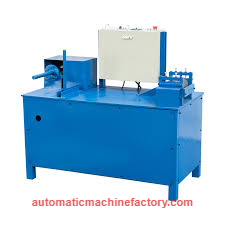
Selecting machinery for a workshop sounds straightforward until quotations arrive and every supplier claims perfection.Non-Woven Fiber Wheel Production Equipment shapes the texture, density, and cutting behavior of every wheel that leaves the floor, so the wrong choice echoes through product quality for years. Buyers who visit automaticmachinefactory frequently arrive with catalog fatigue, unsure which specifications deserve attention and which merely decorate a brochure. With so many configurations competing for attention, how can a serious manufacturer separate substance from sales talk?
The wisest starting point is always the product itself. Non-woven abrasive wheels serve polishing, deburring, and finishing tasks across metal, wood, and composites, and each application demands distinct fiber composition, bonding strength, and grit behavior. A line built for heavy stock removal on stainless steel differs fundamentally from one tuned for delicate mirror finishing on aluminum. Mapping the target wheel diameter range, thickness tolerance, and intended surface speed before contacting any supplier eliminates half the confusion immediately.
Match Capacity to Real Demand
Output figures printed in glossy folders rarely survive contact with reality. Rated capacity assumes ideal materials, perfect synchronization, and operators who never pause, whereas actual workshops juggle changeovers, humidity shifts, and maintenance windows. Prudent buyers request capacity data based on their specific fiber blend and wheel size, then cross-check with existing customers running comparable setups. A machine comfortably producing at eighty percent of its ceiling will outlive one pushed to its limit every single shift.
Flexibility deserves equal weight. Markets shift, and a line dedicated to one wheel specification can become a liability when orders diversify. Equipment that accepts quick die changes, adjustable pressing pressure, and variable curing parameters keeps a factory relevant without demanding fresh capital each season.
Examine the Engineering Underneath
Strong frames, calibrated pressing stations, and consistent temperature control form the skeleton of reliable output. Fiber distribution must remain uniform across every batch, because density variation translates directly into uneven wear and dissatisfied end users. Buyers should inspect welding quality, control panel logic, and safety guarding in person whenever possible, since photographs flatter even mediocre fabrication. Spare parts availability matters enormously as well; a beautifully engineered unit sitting idle while awaiting a single imported bearing serves nobody.
Automation level warrants honest reflection. Fully automated lines minimize labor but demand skilled technicians and stable order volumes, while semi-automatic configurations suit workshops still building their customer base. There is no universal answer, only the configuration that matches current reality with room for growth.
Why TARUN Approaches Selection Differently
TARUN treats equipment selection as a partnership rather than a transaction. Application engineers study sample wheels from the customer's intended market, analyze fiber behavior, and then recommend Non-Woven Fiber Wheel Production Equipment configurations grounded in those findings. Factory-direct manufacturing keeps the entire process under one roof, from frame welding to final testing, which shortens communication chains and sharpens accountability. Itemized quotations reveal precisely where each portion of the investment travels, sparing buyers from vague bundles that hide uncomfortable surprises.
This methodology has guided beverage equipment, packaging systems, and abrasive wheel projects across dozens of countries, each with distinct voltage standards, labor skills, and climatic conditions. The constant thread remains unchanged: machinery sized for genuine needs instead of impressive presentations.
After reviewing workshop layout, power supply, and target output, requesting a tailored proposal from https://www.automaticmachinefactory.com/ takes moments, and detailed engineering feedback follows within days. Choosing production equipment shapes a factory's trajectory for a decade or longer. Why gamble on guesswork when precise guidance sits one conversation away?

 English
 French
 Spanish
 Portuguese
 Deutsch
 Turkish
 Dutch
 Italiano
 Russian
 Romaian
 Portuguese (Brazil)
 Greek