
How Does Kaixin Permanent Magnetic Lifter Support Safe Steel Handling
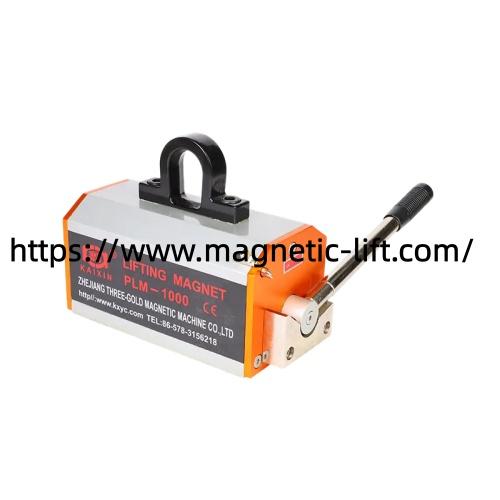
Permanent Magnetic Lifter selection requires careful attention to load characteristics, operating conditions, workplace safety, and long term maintenance. For industrial buyers, choosing suitable magnetic lifting equipment involves more than comparing rated capacities or product dimensions. The right purchasing decision starts with understanding the materials being handled, the demands of daily operations, and the conditions in which the equipment will be used. Manufacturers and distributors can use these factors to evaluate available models and identify solutions that align with their customers requirements.
One important consideration is the type of material being lifted. Magnetic equipment is generally intended for suitable ferromagnetic materials, including many carbon steel plates, blocks, and machined components. However, different workpieces can produce different lifting results. Stainless steel grades, aluminum, copper, and other nonferromagnetic materials may not be suitable for conventional permanent magnetic lifting devices. Before requesting a quotation, buyers should describe the material grade, workpiece dimensions, and intended lifting position to the manufacturer.
Rated capacity also deserves close attention. Product specifications may state a lifting capacity under defined test conditions, but actual performance depends on several factors. These can include material thickness, contact area, surface flatness, air gaps, and the distribution of the load. Rust, paint, scale, oil, or uneven surfaces may reduce effective magnetic contact. Buyers should therefore assess the actual workpieces rather than relying on a capacity figure alone. When handling long or irregularly shaped components, it is also important to consider load balance and the possibility of movement during lifting.
The design of the operating mechanism is another factor worth reviewing. Permanent magnetic equipment uses magnetic force to hold suitable metal workpieces without requiring a continuous electrical power supply to maintain magnetism. Depending on the model, an operator may engage or release the magnetic circuit through a mechanical handle or another specified control mechanism. Buyers should examine how the mechanism works, whether the operating procedure suits the intended workflow, and whether the design allows convenient access during normal use. Clear operating instructions can help employees follow consistent procedures.
Safety arrangements should be evaluated before a purchase is finalized. Ask the supplier about rated working capacity, applicable test procedures, inspection requirements, and the conditions under which the equipment is approved for use. Operators should understand how to position the device, establish full contact with the workpiece, confirm engagement, and release the load only after it has been safely supported. Personnel should never stand beneath a suspended load, and the working area should be managed to prevent unauthorized access. Site procedures should also address damaged equipment, unusual workpiece shapes, and changes in material conditions.
Buyers should consider the production environment as well. A fabrication workshop may handle steel plates throughout the day, while a machine shop may need to move compact blocks or finished components between workstations. Warehouses may have different requirements involving storage arrangements, handling frequency, and available lifting equipment. These differences affect the appropriate device size, rated capacity, operating method, and maintenance schedule. Sharing representative workpiece details with a manufacturer can help narrow the available options and reduce the risk of selecting equipment that does not match the intended application.
Maintenance and supplier support are also part of the purchasing decision. Ask how the device should be inspected, cleaned, stored, and checked for wear or damage. Confirm whether operating instructions and technical documentation are available, and clarify the recommended inspection intervals for the expected working conditions. Buyers sourcing equipment for multiple locations may also benefit from consistent model specifications and documentation that can be shared with operators and maintenance teams. These details can support equipment management after delivery.
Price should be considered alongside product specifications, expected service conditions, and the resources required for safe operation. A quotation is easier to evaluate when it clearly identifies the model, rated capacity, included accessories, packaging, delivery arrangements, and warranty terms. Buyers should also communicate any special requirements, such as workpiece dimensions, lifting orientation, or compatibility with existing workshop equipment. This information allows suppliers to respond with more relevant product recommendations rather than relying on assumptions.
For manufacturers, understanding these purchasing considerations creates a practical starting point for matching equipment to industrial applications. Kaixin provides magnetic lifting solutions for buyers who need to assess product specifications, operating requirements, and handling conditions before making a decision. Companies planning to move steel plates, blocks, or other suitable metal components can review the available product range at https://www.magnetic-lift.com/product/ and contact the supplier with their workpiece details to discuss a suitable configuration.

 English
 Arabic
 French
 Spanish
 Portuguese
 Turkish
 Dutch
 Italiano
 Russian
 Romaian
 Portuguese (Brazil)
 Greek