
The Crucial Role of Artificial Intelligence and Machine Learning Software in Optimizing Fleet Navigation and Inventory Accuracy
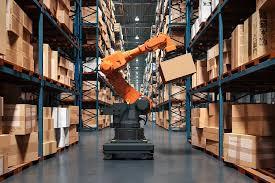
Modern fulfillment operations rely heavily on sophisticated cloud software to turn disparate hardware into a cohesive, highly efficient logistical ecosystem. Artificial intelligence and machine learning algorithms act as the central nervous system for automated facilities, processing massive streams of data from millions of inventory checkpoints. These intelligent software layers predict order patterns, optimize product placement based on seasonal demand, and dynamically adjust robotic routes to avoid bottlenecked aisles. By replacing rigid, rule-based legacy code with adaptive learning models, facilities can achieve exceptional levels of precision in order picking and inventory tracking. This digital transformation eliminates the need for disruptive manual inventory counts, maintaining a highly accurate, real-time record of all stock levels across the entire logistics network.
However, relying completely on complex software architectures introduces significant technical vulnerabilities and data management challenges. If a facility experiences a major cloud network interruption or a localized software crash, entire fleets of automated machinery can instantly stall, bringing operations to a costly standstill. Additionally, training machine learning algorithms requires massive, meticulously cleaned datasets; any corrupt data inputs can result in systemic routing inefficiencies or incorrect inventory placements. The complexity of these software layers also demands specialized IT teams capable of debugging complex algorithmic conflicts, which increases fixed engineering overhead. Safeguarding these digital platforms against cyberattacks requires continuous security audits and strict data governance policies to protect proprietary supply chain metrics from corporate espionage. Organizations looking to understand the intersection of software innovation and infrastructure defense can gain deep insights from comprehensive Warehouse Robotics Market research studies.
What happens to an automated fleet if the facility experiences an unexpected loss of internet connectivity? Most modern fleets utilize localized edge computing capabilities that allow robots to safely complete their current task or navigate to a designated parking zone during a disconnect. However, full optimization and complex order updates will pause until communication with the central warehouse management system is restored.
How does predictive slotting software improve the operational throughput of automated picking machinery? Predictive slotting algorithms analyze historical order data to automatically position high-demand items closer to primary picking stations. This minimizes the distance travel times for automated machinery, directly increasing overall facility throughput and reducing unnecessary wear on robotic components.
➤➤➤Explore MRFR’s Related Ongoing Coverage In Semiconductor Industry:
Next Imaging Technology Market
Industrial Control Systems Market

 English
 Arabic
 French
 Spanish
 Portuguese
 Deutsch
 Turkish
 Italiano
 Russian
 Romaian
 Portuguese (Brazil)
 Greek