
Penile Implant in Pakistan
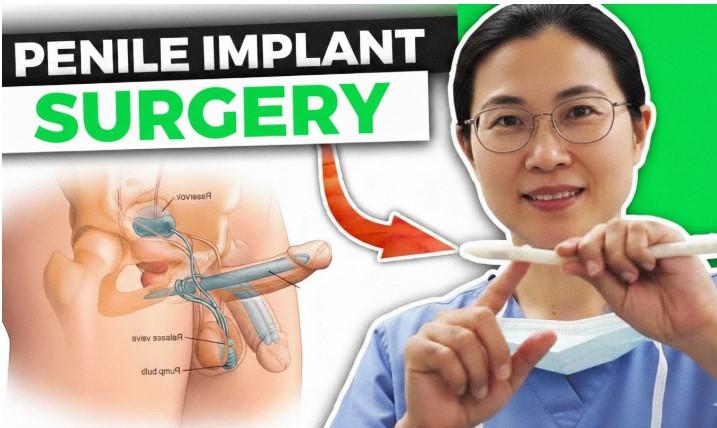
A penile implant is a surgically placed medical device used to help men with erectile dysfunction (ED) achieve a firm erection for sexual intercourse. Also called a penile prosthesis, this treatment is generally considered when other erectile dysfunction therapies have not worked sufficiently, cannot be tolerated, or are not appropriate.
Erectile dysfunction can result from many factors, including diabetes, vascular disease, nerve damage, prostate treatment, pelvic surgery, Peyronie's disease, certain medications, and other medical conditions. Although oral medicines and other non-surgical treatments can be effective for many men, some patients continue to experience significant ED.
For appropriately selected patients, a penile prosthesis provides an alternative approach by creating penile rigidity through an implanted device rather than relying entirely on the body's natural erectile response.
Modern penile implants are designed to be hidden inside the body. Depending on the type, the patient can activate an inflatable mechanism when an erection is desired or manually position a semi-rigid prosthesis.
This guide explains the purpose of penile implants, different device types, the surgical process, recovery, benefits, risks, costs, and other important considerations.
What Is a Penile Implant?
A penile implant is a prosthetic device placed inside the penis to provide sufficient rigidity for sexual activity.
The device is implanted during surgery and remains inside the body.
Unlike erectile dysfunction tablets, a penile implant does not depend on increasing blood flow through the natural erectile mechanism. Instead, it provides mechanical support for an erection.
A penile prosthesis is primarily intended to address erectile rigidity. It does not automatically increase sexual desire, improve fertility, raise testosterone levels, or guarantee orgasm.
There are two principal types:
-
Inflatable penile prosthesis
-
Malleable or semi-rigid penile prosthesis
Why Might a Man Need a Penile Implant?
Erectile dysfunction is often treatable without surgery. However, some men continue to experience ED despite trying several approaches.
A penile implant may be considered when:
-
ED medication does not provide adequate results
-
Medication causes unacceptable side effects
-
Penile injections are ineffective or unsuitable
-
A vacuum erection device is not satisfactory
-
Severe ED develops after prostate or pelvic surgery
-
Erectile dysfunction is associated with certain cases of Peyronie's disease
-
The patient prefers a long-term mechanical solution
A specialist should evaluate the underlying cause before recommending implantation.
Causes of Erectile Dysfunction
Understanding why ED occurs is an important part of treatment planning.
An erection requires coordination between the brain, nerves, blood vessels, hormones, and penile tissues.
Conditions that interfere with these systems can cause ED.
Diabetes
Diabetes can damage blood vessels and nerves, both of which are important for erectile function.
Cardiovascular Disease
Reduced blood flow can affect the ability to achieve and maintain an erection.
Nerve Problems
Neurological disorders, spinal injuries, or surgical nerve damage can interfere with erectile signals.
Prostate and Pelvic Surgery
Some men develop ED after treatment for prostate cancer or other pelvic conditions.
Peyronie's Disease
Scar tissue inside the penis can cause curvature and may also contribute to erectile dysfunction.
Other Factors
Certain medications, hormonal abnormalities, psychological factors, and chronic diseases may also contribute to ED.
Because erectile dysfunction can sometimes be associated with broader health issues, a medical assessment is important.
Who Is Suitable for a Penile Implant?
A penile implant is not appropriate for every man with ED.
A potential candidate generally has persistent erectile dysfunction and has either:
-
Tried other treatments without satisfactory results, or
-
Been unable to use those treatments, or
-
Chosen a prosthesis after discussing the alternatives with a qualified specialist.
Patients should understand that penile implant surgery involves permanent placement of a device and should have realistic expectations about the outcome.
Types of Penile Prostheses
Inflatable Penile Implant
An inflatable penile prosthesis uses fluid to create rigidity.
A typical three-piece system contains:
-
Two inflatable cylinders
-
A pump
-
A fluid reservoir
The cylinders are placed inside the penis.
The pump is positioned within the scrotum.
The reservoir is placed inside the body.
When the patient wants an erection, the pump is squeezed repeatedly. Fluid moves into the cylinders, making them rigid.
After sexual activity, the release mechanism returns the fluid to the reservoir, allowing the penis to become softer.
Features of Inflatable Implants
An inflatable system can provide:
-
On-demand rigidity
-
Control over the timing of an erection
-
Ability to deflate after intercourse
-
A softer appearance when not in use
-
An entirely internal device
The system does, however, require the patient to operate the pump.
Malleable Penile Implant
A malleable penile prosthesis consists of flexible rods inserted into the erectile chambers.
The rods provide constant structural firmness but can be bent into different positions.
The penis can be positioned upward for sexual intercourse and downward afterward.
Features of Malleable Implants
A malleable prosthesis has:
-
No pump
-
No separate fluid reservoir
-
Fewer mechanical components
-
Simple manual operation
It can be considered for patients who prefer a straightforward device or have difficulty operating an inflatable system.
Inflatable vs. Malleable Penile Implant
The two major implant types differ in their design and operation.
| Feature | Inflatable Implant | Malleable Implant |
|---|---|---|
| Erection mechanism | Fluid inflation | Manual positioning |
| Pump required | Yes | No |
| Reservoir | Usually in a three-piece system | No |
| Flaccid state | Yes | Less natural |
| Mechanical complexity | Higher | Lower |
| Patient operation | Requires pump use | Manual positioning |
There is no single implant that is suitable for every patient. The choice should be made with a specialist after considering medical and lifestyle factors.
How Does a Penile Implant Work?
A penile implant replaces the mechanical function required to create penile rigidity.
With an inflatable device, the patient activates the pump, which transfers fluid into the cylinders.
The cylinders expand and provide rigidity.
After intercourse, the patient uses the release mechanism to deflate the system.
A malleable device works through flexible rods that remain firm and are manually positioned.
The implant therefore allows a man to achieve physical rigidity even when the natural erectile process is no longer adequate.
Penile Implant Surgery
Penile prosthesis surgery is performed by a qualified urologist or surgeon with appropriate experience in the procedure.
Before Surgery
The doctor evaluates:
-
Severity and duration of ED
-
Previous treatments
-
Medical history
-
Current medications
-
Previous surgeries
-
Penile anatomy
-
General health
-
Sexual expectations
The surgeon will explain the implant options and discuss potential benefits and risks.
During Surgery
The patient receives anesthesia.
The surgeon accesses the erectile chambers and places the prosthetic components.
For an inflatable system, the cylinders are inserted into the penis and the other components are positioned appropriately.
For a malleable implant, the flexible rods are inserted into the erectile chambers.
The surgeon tests the device before closing the incision.
After Surgery
The patient is monitored during the immediate recovery period.
Depending on the procedure and individual circumstances, discharge may occur on the same day or after an overnight stay.
How Long Does Penile Implant Surgery Take?
The procedure often takes a few hours.
However, surgical time varies based on:
-
Implant type
-
Anatomy
-
Previous pelvic or penile surgery
-
Scar tissue
-
Additional procedures
The surgeon can provide a more accurate estimate during the preoperative consultation.
Penile Implant Recovery
Recovery is gradual.
During the first few days or weeks, patients may experience:
-
Swelling
-
Bruising
-
Tenderness
-
Pain
-
Temporary discomfort
-
Sensitivity around the surgical area
Your doctor may prescribe medication and provide instructions for caring for the incision.
Physical Activity
Strenuous exercise and heavy lifting may need to be restricted temporarily.
Your surgeon will tell you when you can safely resume normal activities.
Returning to Sexual Activity
The implant should generally not be used until adequate healing has occurred.
Many patients are advised to wait around 4 to 6 weeks before sexual activity, but this is not a fixed rule.
The surgeon should confirm when it is safe to use the implant.
Benefits of a Penile Implant
For suitable patients, a penile prosthesis can provide several important advantages.
Predictable Rigidity
The device can provide a reliable mechanical method of obtaining an erection.
On-Demand Use
Inflatable implants allow the patient to activate the device when an erection is wanted.
Long-Term Treatment
The device is intended for long-term use and does not require a new medication dose for each sexual encounter.
Internal Placement
The components remain inside the body.
Reduced Dependence on Medication
Patients with successful implantation may no longer require oral ED medication or injections to achieve penile rigidity.
Sexual Intercourse
The primary purpose of the prosthesis is to provide sufficient firmness for sexual intercourse.
What Does a Penile Implant Not Treat?
A penile implant specifically addresses erectile rigidity.
It does not necessarily treat:
-
Low sexual desire
-
Low testosterone
-
Infertility
-
Premature ejaculation
-
Loss of penile sensation
-
Psychological causes of sexual dysfunction
-
Underlying cardiovascular disease
-
Diabetes
If a patient has multiple sexual health concerns, these should be evaluated separately.
Penile Implant and Sexual Pleasure
A penile prosthesis can restore the physical ability to achieve rigidity, but sexual pleasure depends on many other factors.
Sensation is influenced by nerve function.
Sexual desire is influenced by psychological, hormonal, relationship, and medical factors.
Orgasm and ejaculation are separate processes.
Therefore, restoring an erection does not automatically resolve every sexual health problem.
Penile Implant and Ejaculation
A penile prosthesis does not normally stop ejaculation.
Men who could ejaculate before surgery may remain capable of ejaculation afterward.
However, some medical conditions or previous surgeries can affect ejaculation independently of the implant.
A specialist can explain the expected outcome based on your medical history.
Penile Implant and Orgasm
The ability to experience orgasm may remain unchanged for many men.
However, orgasm depends on neurological, psychological, hormonal, and physical factors.
A penile implant itself does not directly produce an orgasm.
Does a Penile Implant Affect Penis Sensation?
The purpose of the implant is to provide rigidity.
It is not designed to eliminate sensation.
Many men continue to experience penile sensation following recovery.
However, men with significant nerve damage may have different outcomes.
Does a Penile Implant Increase Penis Size?
A penile prosthesis is not primarily a penis enlargement procedure.
The goal is functional rigidity.
Patients should discuss expected penile length and appearance with their surgeon before treatment.
Claims promising guaranteed enlargement should be approached carefully.
Potential Risks of Penile Implant Surgery
As with any surgical procedure, penile prosthesis implantation has potential complications.
These include:
-
Infection
-
Bleeding
-
Pain
-
Swelling
-
Bruising
-
Mechanical malfunction
-
Device failure
-
Erosion
-
Scarring
-
Changes in sensation
-
Difficulty operating the device
-
Unsatisfactory result
-
Need for revision surgery
Individual risks should be discussed with the treating specialist.
Infection After Penile Implant Surgery
Infection is one of the most significant complications of penile prosthesis surgery.
Patients should seek medical attention if they develop:
-
Fever
-
Increasing redness
-
Severe swelling
-
Worsening pain
-
Pus
-
Unusual drainage
-
Wound separation
-
Other concerning symptoms
An infection involving the prosthesis can sometimes require additional surgery.
Penile Implant Mechanical Problems
Although modern penile implants are designed to function for many years, mechanical failure is possible.
Problems can affect:
-
Pump
-
Cylinders
-
Reservoir
-
Other components
If an implant does not function properly, a urologist should assess it.
Some mechanical complications require revision or replacement.
How Long Does a Penile Implant Last?
Penile implants are designed to be long-lasting.
However, no medical device is guaranteed to function indefinitely.
The eventual need for revision can depend on:
-
Device characteristics
-
Mechanical wear
-
Infection
-
Patient factors
-
Previous surgery
-
Other complications
Your surgeon can discuss expected device longevity before implantation.
Penile Implant vs. Oral ED Medication
Oral ED medicines such as sildenafil and tadalafil are commonly used treatments.
They work by supporting the body's natural erectile mechanism.
A penile prosthesis works mechanically.
Oral medication
-
Does not require surgery
-
May be taken before sexual activity
-
Requires an adequate physiological response
-
May produce side effects
-
May be ineffective in severe ED
Penile prosthesis
-
Requires surgery
-
Remains inside the body
-
Provides mechanical rigidity
-
Can be used repeatedly after healing
-
May eliminate the need for other ED treatments
The choice depends on individual circumstances.
Penile Implant vs. Injection Therapy
Penile injections involve injecting medication into the erectile tissue.
They can produce an erection for some patients but require repeated injections.
A penile implant provides an alternative for patients who do not achieve satisfactory results with injections or prefer an implanted solution.
Penile Implant vs. Vacuum Device
Vacuum erection devices create negative pressure around the penis to assist with erection formation.
They are non-surgical and may work well for some men.
A penile implant is more invasive but provides an internal mechanical method of achieving rigidity.
Penile Implant Cost
There is no single universal cost for penile implant surgery.
The final price can depend on:
-
Implant type
-
Device manufacturer
-
Hospital
-
Surgeon
-
Anesthesia
-
Preoperative investigations
-
Postoperative medications
-
Follow-up
-
Additional procedures
Patients should request a complete quotation that clearly explains what is included.
Penile Implant in Pakistan
Men in Pakistan considering penile prosthesis surgery should seek evaluation from a qualified urologist or andrologist experienced in male sexual medicine and penile prosthetic surgery.
During consultation, the doctor can assess the patient's condition and discuss:
-
Diagnosis
-
Previous treatments
-
Suitable implant types
-
Surgical procedure
-
Recovery
-
Potential complications
-
Expected results
-
Total cost
-
Follow-up requirements
Selecting a qualified specialist and appropriate surgical facility is important.
Penile Implant at Dot Clinics
Dot Clinics, with locations in Lahore and Multan, Pakistan, offers men's health and erectile dysfunction services.
Patients experiencing persistent ED can seek professional assessment to understand the cause of their symptoms and discuss available treatment approaches.
Depending on the individual case, ED management may include medication, lifestyle interventions, non-surgical treatments, or discussion of advanced options.
Patients interested in penile prosthesis surgery should undergo an appropriate specialist assessment and discuss the implant type, surgical experience, risks, recovery, expected results, and follow-up care before making a treatment decision.
How to Prepare for Penile Implant Surgery
Your surgeon may provide individualized preparation instructions.
Common preparation steps can include:
Medical Review
Provide complete information about your medical history and previous surgeries.
Medication Review
Tell your doctor about all prescription medications, supplements, and over-the-counter products.
Preoperative Tests
You may need blood tests or other investigations.
Health Optimization
Conditions such as diabetes and cardiovascular disease should be appropriately managed.
Arrange Recovery Time
Plan time away from physically demanding work and activities.
Understand Device Operation
If you are receiving an inflatable implant, make sure you understand how the pump and release mechanism will work after healing.
Choosing the Right Penile Implant Surgeon
The surgeon's experience is an important consideration.
Before surgery, ask about:
-
Medical qualifications
-
Experience with penile prostheses
-
Types of devices used
-
Surgical facility
-
Infection prevention
-
Postoperative follow-up
-
Complication management
-
Revision surgery
Cost is only one factor to consider when evaluating a surgical provider.
Questions to Ask Before Surgery
Consider asking your doctor:
-
What is the likely cause of my ED?
-
Are there other treatments I should try first?
-
Am I a suitable candidate for an implant?
-
Which type of prosthesis do you recommend?
-
What are the advantages and limitations of that device?
-
How is the implant operated?
-
How long will surgery take?
-
What should I expect during recovery?
-
When can I resume sexual activity?
-
What complications could occur?
-
How long might the device last?
-
What happens if it stops working?
-
What is the complete cost?
-
What follow-up will be required?
Frequently Asked Questions
Is a penile implant a permanent treatment?
It is intended to be a long-term treatment, but some devices eventually require revision or replacement.
Is penile implant surgery safe?
It is an established treatment for appropriately selected men, but it carries surgical risks, including infection and mechanical complications.
How long does recovery take?
Recovery varies. Many patients need several weeks before returning to sexual activity, with approximately 4 to 6 weeks commonly discussed, depending on healing.
Can I have sex after penile implant surgery?
Yes. The device is designed to provide rigidity for sexual intercourse. Your surgeon will tell you when sexual activity is safe.
Does a penile implant increase libido?
No. It addresses erectile rigidity rather than sexual desire.
Can I still ejaculate?
A penile implant does not normally prevent ejaculation, although other medical conditions can affect ejaculation.
Can I still experience orgasm?
Many men who could experience orgasm before surgery continue to do so afterward.
Can a penile implant be removed?
Yes, but removal requires surgery and is generally performed when medically necessary.
Can a partner see the implant?
The device is implanted internally, so it is generally not externally visible once healing has occurred.
What is the best penile implant?
There is no single implant that is ideal for every patient. The choice depends on medical and personal factors and should be discussed with a qualified specialist.
Conclusion
A penile implant is a long-term surgical treatment designed to restore functional penile rigidity in men with erectile dysfunction.
It can be considered when medications, injections, vacuum devices, or other treatments have not provided satisfactory results or when a patient prefers a prosthetic solution. Inflatable implants offer on-demand inflation and deflation, while malleable prostheses provide a simpler manually positioned option.
Because implantation involves surgery and permanent placement of a medical device, patients should carefully discuss the procedure with a qualified urologist or andrologist. Understanding the available implant types, expected results, recovery, possible complications, device longevity, and total cost can help patients make an informed healthcare decision.

 English
 French
 Spanish
 Portuguese
 Deutsch
 Turkish
 Dutch
 Italiano
 Russian
 Romaian
 Portuguese (Brazil)
 Greek