
Yongxing Pilates Tight Sports Shorts Guide
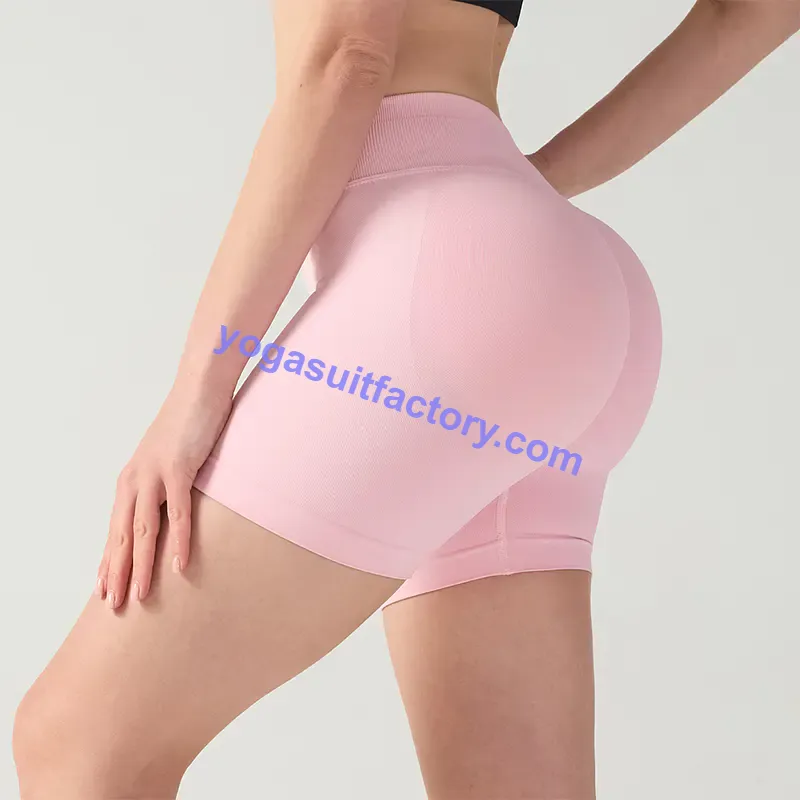
Pilates places a different set of demands on sportswear than high-impact training. Movements are often controlled and deliberate, yet the body can move through wide angles while the wearer changes position repeatedly. Waistbands may shift during rolling exercises, fabric can experience tension around the hips, and the leg openings need to stay comfortable without interfering with movement.Tight Sports Shorts can suit this type of activity when their cut, stretch, waistband, and fabric construction are considered together. YogasuitFactory develops sportswear for yoga and related activities, but what should manufacturers consider when shorts are intended for Pilates?
Pilates Requires Freedom Without Excess Fabric
One reason fitted shorts can work well for Pilates is their close relationship with the body. Pilates includes leg lifts, side movements, seated exercises, bridges, and controlled transitions between positions. Loose fabric can sometimes move independently from the body, which may become distracting when attention needs to remain on posture and technique.
A closer silhouette keeps the material near the legs while allowing the wearer to see body alignment during certain exercises. This can be useful in studio environments where instructors and participants pay attention to the position of the knees, hips, and legs.
However, a close fit should not mean excessive compression. Pilates is not simply about holding the body in place. Many exercises involve lengthening, rotation, and gradual changes in position. The garment needs enough flexibility to accommodate these movements without creating unnecessary resistance.
Waistband Stability Matters During Floor Exercises
The waistband becomes particularly important when exercise involves lying down, rolling, sitting, or raising the legs. A waistband that remains in position can reduce the need for repeated adjustments and allow the wearer to concentrate on the exercise.
Rise height is one part of this consideration. A higher waist can provide additional coverage around the midsection, while another wearer may prefer a lower construction that leaves the waist feeling less enclosed. The suitable choice depends on the intended product concept and the wearer.
Elastic recovery also matters. A waistband needs to stretch as the body changes position, then return toward its original shape without losing its intended fit. If recovery is weak, repeated movement can gradually affect the way the garment sits.
Yongxing's website notes that its customization work can include functional components such as anti-slip silicone strips around sportswear waistbands. This type of detail can be considered when a product requires additional stability during movement.
Fabric Behavior Is Part of the Design
Pilates movements can place fabric under tension in several directions. A seated stretch may pull material around the hips, while a leg extension can create tension through the thigh area. This means fabric selection should be connected to the movement requirements of the finished garment.
Stretch allows the material to follow changes in body position, but recovery is equally relevant. A fabric that extends easily and returns appropriately can help maintain the intended silhouette during repeated sessions.
Yongxing states that it selects Nylon, Lycra, and Spandex fabrics for its clothing production. These materials can be used in different combinations according to the characteristics required for a particular product. The final fabric choice still needs to correspond with the garment structure, intended activity, and desired wearing experience.
Fabric surface can also influence comfort. During floor-based exercises, the garment may remain in contact with the mat or studio surface for extended periods. A suitable construction should therefore take both movement and contact into account rather than focusing only on visual appearance.
Leg Openings Should Follow Movement
The lower edge of a fitted short may seem like a small design detail, yet it can influence the way the garment feels during exercise. If the opening is excessively tight, movement around the upper thigh may feel restricted. If it is too loose, the fabric may shift during leg movements.
For Pilates, the relationship between leg opening and stretch is worth considering because many exercises involve raising, bending, rotating, and extending the legs. The garment should follow these changes without constantly requiring repositioning.
Length is another variable. A shorter style can leave the legs relatively unrestricted, while a slightly longer silhouette can provide additional coverage. Different collections can use several lengths according to their intended audience and styling direction.
This is also where pattern development becomes important. The same fabric can behave differently when used in different shapes, because seam placement, panel dimensions, waistband construction, and leg opening design all influence how tension travels through the garment.
Appearance and Function Can Work Together
Pilates clothing does not need to be purely functional in appearance. Color, surface texture, waistband details, logos, and proportion can all contribute to the visual identity of a sportswear collection.
For brands developing activewear, fitted shorts can be paired with sports bras, short-sleeve tops, long-sleeve layers, or coordinated sets. A consistent color palette and recognizable branding can create a unified collection while individual garments serve different training requirements.
Yongxing's product range includes sports bras and tops, Tight Sports Shorts, yoga pants, sports suits, yoga jumpsuits, and other activewear categories. Its website also describes support for customer-specific logos and modular functional components, allowing product development to include branding alongside garment construction.
This type of product relationship can be useful when a brand wants Pilates clothing to connect visually with its wider yoga or fitness collection.
Manufacturing Details Affect the Finished Garment
A pair of shorts may appear simple, but its final performance depends on several production stages. Pattern development determines the basic shape, fabric preparation affects cutting and handling, sewing or seamless construction connects the components, and inspection checks whether the finished product follows the required specifications.
Yongxing describes its production process as including intelligent sewing technology and several stages of quality inspection before final packaging. The company also says it has focused on yoga wear manufacturing since 2010 and moved toward seamless technology after identifying problems associated with conventional seamed products.
For Pilates clothing, manufacturing consistency can matter because small differences in waistband tension, leg opening dimensions, or fabric placement may change the wearing experience. A repeatable production process helps a brand maintain the intended specifications across its collection.
Product development can also involve adjustments after sample evaluation. A prototype may reveal that the waistband needs a different width, the leg opening requires another level of stretch, or the fabric weight should be adjusted for the intended training environment. These changes are part of normal garment development rather than simply cosmetic revisions.
Where Tight Shorts Fit Into Pilates Apparel
Pilates clothing can cover a wide range of silhouettes, from full-length pants to fitted shorts and coordinated tops. The choice often depends on personal preference, studio conditions, movement style, and the desired balance between coverage and freedom.
Fitted shorts have a practical place within this range because they leave the lower legs uncovered while maintaining a close relationship with the upper legs and hips. For brands building a broader collection, they can provide a different option alongside leggings, yoga pants, and other training garments.
YogasuitFactory's product structure includes dedicated categories for Tight Sports Shorts and related yoga shorts, while its manufacturing background covers sports bras, pants, tops, suits, and jumpsuits. Product details and available styles can be viewed through https://www.yogasuitfactory.com, where the shorts category forms part of the company's wider sportswear range. With fabric selection, functional customization, customer-specific branding, and production inspection incorporated into its manufacturing approach, Jinhua Yongxing Knitting Co., Ltd. can develop sportswear around the movement characteristics and visual requirements of different activewear collections.

 English
 Arabic
 French
 Spanish
 Portuguese
 Deutsch
 Dutch
Dutch
 Italiano
 Russian
 Romaian
 Portuguese (Brazil)
 Greek
Greek