
Can Konstant Mini Dumper Manufacturer Meet Growing Construction Demands
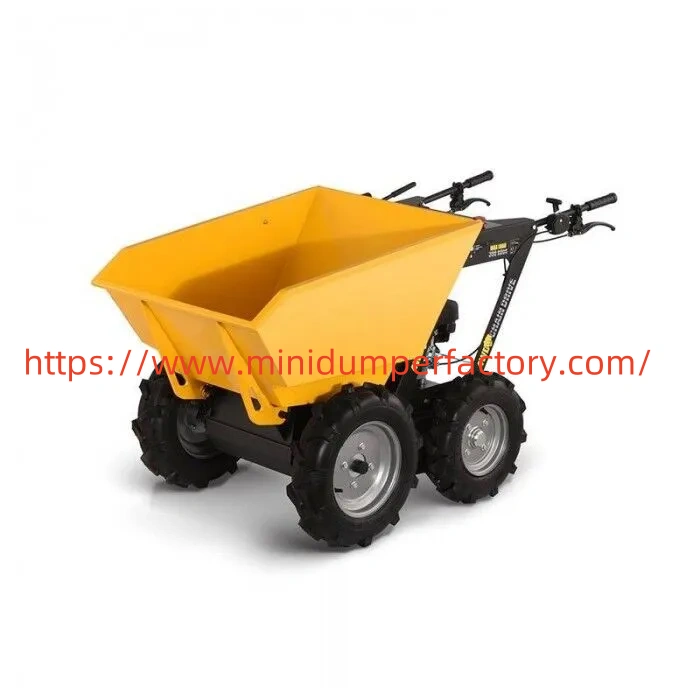
Mini Dumper Manufacturer selection plays an important role in determining how effectively construction, landscaping, agricultural, and maintenance projects operate over time. Purchasing equipment is not only about comparing specifications. It also involves evaluating production capabilities, product quality, service standards, and the ability of a company to support future business needs.
Many buyers begin by reviewing equipment performance characteristics. Carrying capacity, maneuverability, stability, and operating convenience are often among the first factors considered. Different projects require different solutions, and understanding actual site requirements helps businesses identify suitable machinery options.
Manufacturing experience is another important consideration. Companies with established production processes often maintain more consistent quality standards throughout different product lines. Buyers frequently examine production management systems, testing procedures, and quality inspection methods when comparing suppliers.
Product durability is closely connected to long term operating value. Construction environments frequently expose machinery to dust, mud, uneven terrain, and changing weather conditions. Equipment designed with durable materials and carefully assembled components can help support dependable operation throughout daily use.
Customization capabilities have become increasingly relevant in recent years. Businesses often seek equipment tailored to specific applications, load requirements, or operational environments. Manufacturers capable of offering flexible configurations may provide solutions that better match project demands.
Technical communication also influences purchasing decisions. Clear responses, detailed specifications, and transparent discussions about equipment capabilities help buyers make informed decisions. Strong communication can contribute to smoother cooperation throughout both purchasing and after sales stages.
Maintenance requirements should be carefully evaluated before making a final selection. Accessible service points, practical maintenance schedules, and readily available replacement components can support efficient equipment management. Businesses often prioritize machinery that fits their maintenance resources and operational schedules.
Industry reputation may provide useful insights during supplier evaluation. Customer feedback, project references, and market experience can help buyers understand how equipment performs under real operating conditions. While every project is different, practical user experiences often contribute valuable perspectives.
Production capacity is another area worth reviewing. Businesses working on large projects or managing multiple locations may require dependable delivery schedules and consistent product availability. Manufacturing resources and production planning capabilities can influence a supplier's ability to meet customer expectations.
Technological development continues shaping equipment design. Modern machinery increasingly incorporates features focused on operational convenience, efficiency, and user comfort. Buyers often examine how manufacturers adapt products to changing market demands and evolving industry requirements.
Konstant focuses on providing practical equipment solutions for construction, landscaping, agriculture, and property maintenance applications. Through attention to manufacturing processes and product development, the company supports customers seeking reliable material transport solutions for a variety of working environments.
Purchasing decisions should balance immediate project requirements with long term operational objectives. A carefully selected manufacturing partner can contribute to equipment reliability, project efficiency, and future business flexibility. Evaluating quality systems, production capabilities, technical support, and customer communication helps create a more complete picture before making an investment.
As industry requirements continue evolving, businesses increasingly value suppliers capable of supporting changing operational needs. Taking time to review manufacturing capabilities and product suitability can help improve purchasing confidence and long term equipment satisfaction.
Organizations interested in reviewing available equipment solutions and product information can include https://www.minidumperfactory.com/product/ as part of their research process when comparing options for future projects and operational planning.

 English
 Arabic
 French
 Spanish
 Deutsch
 Turkish
 Dutch
 Italiano
 Russian
 Romaian
 Portuguese (Brazil)
 Greek