
Which Buying Details Can Shape minidumperfactory Model Selection?
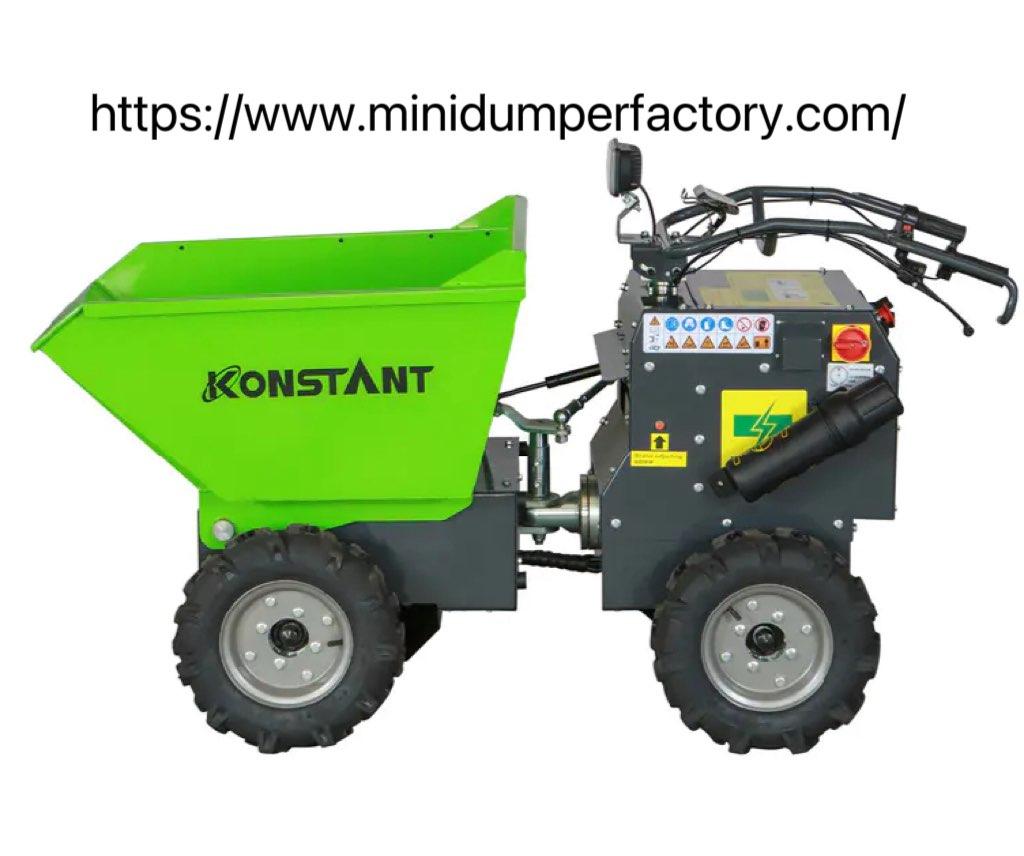
Mini Dumper selection requires more than comparing prices or looking at product photographs. For construction contractors, landscaping businesses, agricultural operators, and equipment distributors, the purchasing decision should begin with a clear understanding of the intended work. Carrying requirements, site dimensions, ground conditions, unloading arrangements, and maintenance expectations all influence which configuration is appropriate. By reviewing these factors before requesting a quotation, buyers can communicate their requirements more clearly and evaluate available equipment with greater confidence.
Define the Materials and Daily Workload
The type of material being transported is an important starting point. Construction projects may involve soil, sand, gravel, bricks, concrete fragments, and demolition waste. Landscaping teams may handle plants, garden soil, stones, and branches, while agricultural users may need to move feed, crops, or other farm materials.
These materials differ in density, shape, and loading characteristics. A hopper that appears spacious may reach its rated weight limit before it is completely filled with dense materials. Buyers should therefore consider both container volume and permitted payload.
Daily workload also deserves attention. Estimate the approximate number of transport cycles, average distance per trip, and expected working hours. This information gives manufacturers a clearer basis for discussing suitable configurations and helps purchasers avoid choosing equipment based on assumptions.
Measure the Site Before Comparing Dimensions
A compact design can be useful when a project involves narrow entrances, garden paths, restricted construction areas, or limited storage space. However, buyers should measure the actual route rather than relying on general descriptions.
Check the width of gates, doorways, pathways, and access passages. Also consider turning space, overhead clearance, loading positions, and the distance between working areas. Overall length and height may affect movement just as much as width.
Ground conditions should be evaluated at the same time. Firm concrete, loose gravel, wet soil, grass, and uneven ground can create different operating requirements. Buyers can discuss wheel or track arrangements with the manufacturer according to the surfaces and slopes expected during normal operation.
A site measurement checklist is useful when comparing several configurations. It allows purchasing teams to match technical dimensions with real working conditions before making a decision.
Examine the Hopper and Unloading Design
The unloading process can influence how easily equipment fits into a daily workflow. Buyers should consider where materials need to be discharged and how much clearance is available at each unloading point.
A front-tipping arrangement may suit straightforward material discharge, while a swivel design can provide additional flexibility when materials need to be placed in different directions. Some applications may also require particular unloading heights or hydraulic functions.
When reviewing these details, ask about hopper dimensions, tipping angle, control operation, and the mechanism used to raise and lower the container. If materials need to be discharged into a larger container or beside a wall, explain the situation before selecting a model.
A demonstration video or product inspection can help buyers understand the complete loading, transportation, and unloading process. This is also an opportunity to discuss practical questions with the manufacturer.
Review Power, Controls, and Operator Requirements
The power system should match the expected working environment. Buyers can compare available engine or electric configurations by considering operating duration, charging or refueling arrangements, noise requirements, and access to routine servicing.
Operator controls deserve equal attention. Steering response, forward and reverse functions, braking, speed adjustment, and tipping controls should be easy to identify and operate according to the manufacturer's instructions.
For businesses with several operators, training requirements should be included in the purchasing discussion. Clear manuals, operating instructions, and suitable safety information can help establish consistent working procedures.
Buyers should also ask about rated load limits, braking arrangements, stability considerations, and recommended operating conditions. Equipment should always be used within its specified limits, particularly when traveling across slopes or uneven surfaces.
Check Maintenance Access and Spare Parts
Purchase planning should include the period after delivery. Regular cleaning, inspection, lubrication, and component checks help businesses organize equipment care as part of their normal operations.
Ask the manufacturer which components require routine attention and how frequently inspections should be carried out. Depending on the configuration, relevant items may include the engine or motor, hydraulic components, tracks, tires, filters, belts, and electrical connections.
For overseas buyers, spare parts supply is another important subject. Confirm which replacement components are available, how orders are handled, and what technical documents accompany the shipment. Distributors may also need parts lists and product information to support their own customers.
Compare Manufacturers and Confirm Order Details
Technical specifications are only part of a purchasing decision. Buyers should also review production communication, inspection arrangements, customization options, packaging, and delivery requirements.
Before confirming an order, request a written specification covering the agreed configuration, rated capacity, dimensions, power system, unloading arrangement, and included accessories. If the project requires a particular color, logo, or package design, discuss these details before production begins.As a manufacturer, minidumperfactory provides product information for buyers evaluating equipment for construction, landscaping, agriculture, and other material-handling applications. Clear communication about working conditions and purchasing requirements can help both parties discuss suitable product arrangements. Businesses planning a purchase can review available models and product details at https://www.minidumperfactory.com/product/ and contact the company to discuss their application, required specifications, and order plans.

 Arabic
 French
 Spanish
 Portuguese
 Deutsch
 Turkish
 Dutch
 Italiano
 Russian
 Romaian
 Portuguese (Brazil)
 Greek