
Why Does Caifu High Pressure Water Pump Design Matter for Industry
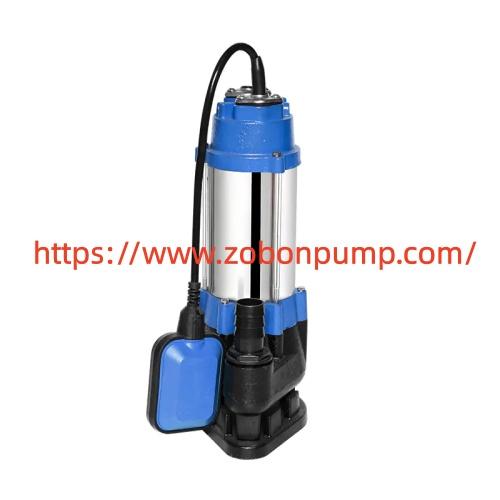
High Pressure Water Pump election involves more than identifying equipment that can move liquid through a system. Buyers need to consider how the equipment will be used, what type of liquid it will handle, and how its construction matches the working environment. Industrial cleaning, equipment maintenance, agricultural operations, and specialized fluid transfer projects can all involve different requirements. Understanding the relationship between mechanical design and actual application helps businesses make more informed purchasing decisions.
One important consideration is the purpose of the equipment. In industrial environments, water may be used for cleaning surfaces, supporting production processes, maintaining machinery, or transferring liquid between different sections of a facility. Some applications require a focused water stream, while others involve continuous circulation or integration with existing pipeline systems. The intended task should therefore guide the selection process from the beginning.
Material construction deserves particular attention because different working environments expose mechanical components to different conditions. Equipment housings, impellers, shafts, seals, and connecting sections may use different materials according to their intended applications. Cast iron is commonly used in mechanical structures because of its established manufacturing characteristics. Stainless steel may be considered where corrosion resistance is an important requirement, while other materials can be selected according to weight, chemical compatibility, and structural needs.
The liquid itself also influences material selection. Clean water, water containing suspended particles, and liquids with particular chemical characteristics may require different equipment arrangements. Buyers should communicate the liquid composition and surrounding conditions before confirming a configuration. This can help manufacturers evaluate whether the proposed construction is suitable for the intended working environment.
Another factor worth examining is the internal mechanical structure. The impeller is responsible for transferring rotational energy to the liquid in centrifugal designs. Its geometry, material, and relationship with the casing influence the movement of fluid through the equipment. The shaft connects the rotating assembly with the motor, while bearings support mechanical movement. Sealing components help control leakage around rotating sections and deserve attention during product evaluation.
Motor selection and protection arrangements are equally relevant. Electrical compatibility, ventilation, operating conditions, and installation surroundings should be reviewed before equipment is connected to a working system. In facilities where machinery operates near moisture, dust, or chemical substances, appropriate protective measures can help address environmental challenges.
The connection between equipment and the wider pipeline system should not be overlooked. Inlet and outlet arrangements, pipe materials, valves, filters, and connection methods all influence installation planning. An unsuitable connection arrangement may create unnecessary installation work or complicate later maintenance. Buyers should prepare information about existing infrastructure before discussing product selection with a manufacturer.
Different industries also approach cleaning and fluid handling in different ways. Manufacturing workshops may need equipment for removing accumulated dirt from machinery and working areas. Construction projects may involve cleaning equipment or preparing surfaces, while agricultural facilities may require water delivery for particular operating tasks. Vehicle maintenance businesses may also consider mechanical equipment for washing and cleaning applications.
Although these tasks share some similarities, the required configuration may vary. A system designed for industrial cleaning may not automatically suit chemical handling or other specialized applications. Users should examine the manufacturer's intended application guidance and avoid assuming that every configuration can handle every type of liquid.
Modern mechanical equipment also involves practical operating features. Depending on the design, protective devices, pressure control arrangements, automatic switching, and monitoring functions may support different operating requirements. These features can help users coordinate equipment with existing systems, but their value depends on the application. Buyers should focus on functions that address specific operational needs rather than selecting additional features without a clear purpose.
Maintenance planning is another important part of equipment ownership. Regular inspection can help identify leakage, unusual vibration, abnormal noise, loose connections, or visible component wear. Seals, bearings, electrical connections, and filters may require attention according to the equipment design and working environment. Following manufacturer instructions helps maintenance personnel understand the appropriate inspection and servicing procedures.
The user experience also depends on how easily the equipment can be installed, operated, and maintained. Accessible connections, clear documentation, understandable controls, and practical component arrangements can make everyday management more convenient. For businesses operating several pieces of machinery, consistent maintenance documentation can also help technicians organize inspection tasks.
Manufacturing processes provide another useful reference when evaluating suppliers. Product development involves design planning, material preparation, component processing, assembly, and inspection. CNC machining and computer aided design can support different stages of manufacturing, while inspection procedures help review component condition and assembly consistency.
Caifu provides several fluid handling equipment categories, including centrifugal, submersible, self priming, jet, and multistage designs. Its manufacturing and customization services allow customers to discuss particular application requirements and product configurations. For distributors, industrial buyers, and project contractors, this communication can help clarify equipment suitability before placing an order.
A considered purchasing decision should bring together material compatibility, mechanical construction, pipeline arrangements, electrical conditions, and maintenance expectations. Each factor contributes to understanding whether a particular configuration fits the intended task. Businesses reviewing industrial cleaning equipment or planning new fluid handling systems can visit https://www.zobonpump.com/product/ o review Caifu product categories, examine available manufacturing information, and contact the company about configurations suited to their project requirements.

 English
 Arabic
 French
 Spanish
 Portuguese
 Turkish
 Dutch
 Italiano
 Russian
 Romaian
 Portuguese (Brazil)
 Greek