
How to Choose the Best Parking Management System Saudi Arabia
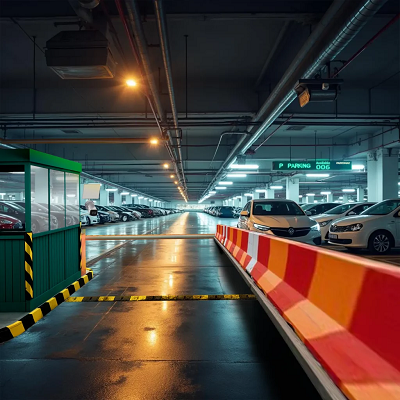
Parking management has become an important part of modern infrastructure as Saudi Arabia continues to develop its cities, commercial centers, residential communities, hospitals, hotels, and entertainment destinations. With increasing vehicle ownership and growing urban populations, managing parking spaces efficiently is essential for providing a smooth experience to drivers while maintaining organized and secure facilities. Traditional parking methods often struggle to handle high vehicle volumes, leading to congestion, long waiting times, payment difficulties, and inefficient use of available spaces.
Choosing the right parking solution can help property owners, facility managers, and businesses overcome these challenges. A well-designed parking system improves operational efficiency, enhances security, and makes parking more convenient for visitors. However, with several technologies and service options available, selecting the right solution requires careful consideration of individual requirements, facility size, and long-term objectives.
Businesses exploring the Best Parking Management System Saudi Arabia can benefit from understanding the essential features, technologies, and selection criteria that contribute to an effective parking operation. The right solution should combine intelligent automation, reliable monitoring, flexible payment options, and user-friendly management tools to meet the changing demands of the Saudi market.
1. Understand the Parking Requirements of the Facility
The first step in choosing a suitable parking management system is understanding the specific requirements of the property. Every parking facility has different operational needs depending on its size, location, vehicle volume, and visitor patterns. A system designed for a small office building may not provide the capabilities required by a large shopping mall, airport, hospital, or mixed-use development.
Before evaluating available solutions, facility managers should assess the following factors:
-
Parking capacity: The total number of available parking spaces determines the scale and technical requirements of the system.
-
Daily vehicle traffic: Facilities experiencing heavy traffic may require automated entry and exit controls to prevent congestion.
-
Operating hours: Some properties operate continuously, while others have specific business hours. The system should support the required schedule.
-
Visitor categories: Commercial and residential properties may need separate parking arrangements for employees, residents, customers, and visitors.
-
Security requirements: Facilities handling valuable vehicles or high visitor volumes may require advanced surveillance and access control.
-
Future expansion: The selected solution should accommodate additional parking spaces or new facilities as operational requirements grow.
A detailed assessment helps decision-makers avoid investing in unnecessary features while ensuring that important operational requirements are addressed.
2. Look for Smart Automation and Advanced Technology
Automation is one of the most important features of a modern parking management system. Traditional parking operations often depend on manual ticket distribution, physical supervision, and cash payments. These processes can increase waiting times and create opportunities for operational errors.
Smart parking technology simplifies these activities by automating vehicle identification, entry authorization, parking monitoring, and payment processing.
Some important technologies to consider include:
Automatic Number Plate Recognition (ANPR)
ANPR technology uses cameras and image recognition software to identify vehicle registration plates. It can automate entry and exit procedures by comparing recognized plate numbers with authorized vehicle records. This feature is particularly useful for residential communities, office buildings, and commercial parking facilities.
Automated Barriers and Access Control
Automatic barriers help regulate vehicle movement and prevent unauthorized entry. When integrated with ticketing systems, RFID cards, or ANPR technology, they allow authorized vehicles to enter and exit efficiently.
Smart Parking Sensors
Parking sensors identify whether individual parking spaces are occupied or available. The information can be displayed through digital signs or mobile applications, helping drivers locate empty spaces without unnecessary driving around the facility.
Centralized Management Software
A centralized platform allows operators to monitor multiple parking areas, manage access permissions, review transactions, and generate operational reports through one interface.
Selecting a solution with suitable automation features can reduce manual workload, improve accuracy, and support more efficient parking operations.
3. Evaluate Payment Options and User Convenience
Payment convenience plays a significant role in the overall parking experience. Visitors generally expect a straightforward process that allows them to pay quickly without unnecessary delays.
A modern parking management system should support flexible payment methods suitable for different types of users and facilities.
Important payment features include:
-
Cashless payments: Digital payment options can reduce dependence on cash handling and simplify transactions.
-
Contactless payments: Contactless technology allows visitors to complete payments conveniently.
-
Mobile payment integration: Mobile-based payment options provide flexibility for customers who prefer using smartphones.
-
Multiple payment channels: Supporting different payment methods makes the system accessible to a wider range of visitors.
-
Automated billing: Digital billing records help operators maintain accurate financial information.
-
Subscription management: Residential communities and commercial properties may benefit from monthly or recurring parking arrangements.
In Saudi Arabia, digital convenience is particularly relevant as businesses continue adopting modern payment technologies and customer-focused services. A suitable system should support payment methods that are compatible with the facility's operational requirements and the applicable local payment environment.
It is also important to consider the payment interface. Clear instructions, simple navigation, and reliable transaction processing can make a significant difference to visitor satisfaction.
4. Prioritize Security, Reliability, and Local Compliance
Security is a fundamental consideration when selecting a parking management solution. Parking facilities need to protect vehicles, control unauthorized access, and maintain accurate records of vehicle movements.
A reliable system should offer multiple security features that work together to provide better supervision and operational control.
Important security features
-
CCTV integration: Surveillance cameras help monitor vehicle movement and provide visual records when incidents occur.
-
Access authorization: Digital credentials, RFID cards, and license plate recognition can restrict access to approved vehicles.
-
Entry and exit records: Automated records make it easier to review vehicle movements and investigate unusual activity.
-
Real-time monitoring: Operators can monitor parking activity and identify operational problems more quickly.
-
Data protection: Secure software, appropriate user permissions, and protected data storage help safeguard sensitive information.
Reliability is equally important. A parking system should operate consistently during peak hours and handle regular vehicle traffic without frequent interruptions.
Businesses in Saudi Arabia should also assess whether the solution meets relevant local regulations and technical requirements. This includes considering applicable data protection obligations, electronic payment requirements, and infrastructure standards. Systems that process vehicle registration information or customer payment details should be designed with appropriate privacy and cybersecurity safeguards.
Before making a decision, facility managers should ask providers about system reliability, backup arrangements, software updates, technical support, and maintenance procedures.
5. Compare Integration Capabilities, Scalability, and Maintenance Support
A parking management system should not operate as an isolated technology. Its ability to integrate with existing infrastructure can improve efficiency and reduce the complexity of daily operations.
For example, commercial properties may need parking software to communicate with building management systems, visitor registration platforms, security networks, and payment applications. Residential communities may require integration with resident databases and access control systems.
When comparing solutions, businesses should evaluate the following areas:
Integration with Existing Infrastructure
The system should work with compatible cameras, barriers, ticketing machines, payment terminals, and other existing equipment. Integration reduces the need for unnecessary replacements and supports smoother implementation.
Scalability for Future Growth
Saudi Arabia's expanding commercial and residential developments create a need for adaptable parking infrastructure. A scalable system should allow additional entry points, parking spaces, buildings, and users to be added without requiring a complete replacement.
Cloud-Based Management
Cloud-based platforms can provide authorized managers with remote access to operational information. They may also simplify software updates, centralized reporting, and multi-location management.
Maintenance and Technical Support
Even advanced technology requires regular maintenance. Hardware components such as cameras, sensors, barriers, and payment terminals should be inspected to maintain consistent performance.
Businesses should evaluate the provider's technical support arrangements, response procedures, software maintenance policies, and availability of replacement components.
A solution that offers dependable support and future expansion capabilities can provide better long-term value than one selected solely on initial functionality.
6. Consider Total Value Rather Than Just Initial Investment
Choosing a parking management system should involve more than comparing the initial purchase cost. Decision-makers should evaluate the total value the solution can deliver throughout its operational life.
A system with a lower initial investment may require more manual supervision, frequent repairs, or additional equipment upgrades. In contrast, a well-integrated automated solution may help reduce administrative workload and improve parking utilization over time.
Several factors should be considered during the evaluation process:
-
Installation requirements: Assess the infrastructure changes, equipment, and software configuration needed for implementation.
-
Operating expenses: Consider ongoing software subscriptions, maintenance, connectivity, and technical support.
-
Staff requirements: Determine whether automation can reduce repetitive administrative activities.
-
System durability: Evaluate the quality and expected operational life of hardware components.
-
Training requirements: Consider how easily employees and facility managers can learn to operate the system.
-
Return on investment: Assess potential improvements in revenue collection, space utilization, operational efficiency, and customer satisfaction.
It is also useful to request a demonstration before making a final decision. A practical demonstration allows stakeholders to understand how the software works, how vehicles are identified, how payments are processed, and how operators manage daily activities.
Comparing several solutions against the same evaluation criteria can help businesses make a more informed decision.
Frequently Asked Questions (FAQs)
1. What is a parking management system?
A parking management system is a combination of hardware and software designed to organize, monitor, and control parking operations. It can manage vehicle entry and exit, parking availability, payment processing, access authorization, and operational reporting. Modern systems often use automation to improve efficiency and reduce manual work.
2. Why is an automated parking management system important in Saudi Arabia?
Automated parking management is important because growing cities, commercial developments, and residential communities require more efficient ways to manage vehicle movement. Automation can reduce entry and exit delays, improve parking space utilization, support digital payments, and strengthen facility security.
3. What features should a good parking management system include?
A suitable system should offer essential features such as automatic vehicle identification, access control, parking availability monitoring, flexible payment options, centralized management software, reporting tools, and security integration. The exact requirements depend on the size and purpose of the parking facility.
4. Can a parking management system support cashless payments?
Yes. Many modern parking management solutions support cashless transactions through compatible digital payment platforms and contactless payment technologies. This allows visitors to complete transactions conveniently while helping operators maintain organized payment records.
5. Is a parking management system suitable for residential and commercial properties?
Yes. Parking management systems can be customized for residential buildings, shopping centers, office complexes, hotels, hospitals, airports, and other facilities. Residential properties may prioritize resident access and visitor authorization, while commercial properties may require customer payments, parking validation, and high-volume vehicle processing.
6. How can businesses choose a reliable parking management provider?
Businesses should evaluate the provider's technical experience, available features, equipment quality, integration capabilities, maintenance services, and customer support. Requesting a system demonstration and reviewing how the solution addresses the facility's specific requirements can also help with the selection process.
Conclusion
Choosing the right parking management system in Saudi Arabia requires a clear understanding of operational requirements, available technologies, security expectations, and long-term business objectives. A suitable solution should make parking easier for visitors while helping property owners and facility managers maintain better control over daily operations.
From automated number plate recognition and smart parking sensors to digital payment integration and centralized management software, modern technologies offer several ways to improve parking efficiency. However, the most effective choice is not necessarily the system with the greatest number of features. It is the solution that addresses the facility's actual needs, integrates smoothly with existing infrastructure, and remains reliable as requirements evolve.
By evaluating automation, security, payment flexibility, scalability, maintenance, and overall value, businesses can make informed decisions that support efficient parking operations. A carefully selected parking management system can contribute to smoother traffic flow, improved visitor satisfaction, better resource utilization, and more organized facilities across Saudi Arabia.

 English
 Arabic
 French
 Spanish
 Portuguese
 Deutsch
 Turkish
 Dutch
 Italiano
 Romaian
 Portuguese (Brazil)
 Greek