
Gesture Recognition And Touchless Sensing Platform Development Enhances Interactive Device Experiences
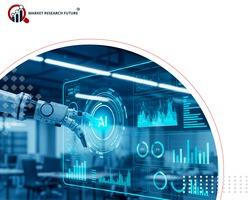
Platform Overview: Integrated Systems Enable Contactless Communication
The Gesture Recognition And Touchless Sensing Platform combines sensing hardware, processing components, and software to interpret user movements and translate them into digital commands. These platforms allow people to interact with compatible devices without relying entirely on physical buttons or direct touchscreen contact. A typical system may include cameras, radar sensors, ultrasonic sensors, processors, and recognition software. The sensors collect information about movement or proximity, while processing systems interpret the data and identify specific gestures. Software then converts recognized actions into commands that connected devices can execute. Such platforms can support consumer electronics, automotive interfaces, healthcare equipment, gaming systems, and industrial automation. Their effectiveness depends on recognition accuracy, response time, environmental performance, and compatibility with other technologies. As manufacturers develop increasingly connected products, integrated gesture recognition platforms are becoming relevant to the evolution of digital interaction.
Platform Components: Hardware and Software Work Together
The market's component categories include software, hardware, sensors, processors, and transceivers. Sensors are responsible for detecting movement, proximity, or other physical changes within the operating environment. Processors analyze collected information and support the execution of recognition algorithms. Software interprets the data and determines whether a detected movement corresponds to a specific command. Hardware provides the physical structure and connectivity required for system operation, while transceivers support communication between components or connected devices. The performance of the complete platform depends on how effectively these elements work together. A high-quality sensor may not deliver the desired experience without suitable processing and recognition software. Similarly, effective algorithms require reliable input data. Manufacturers therefore consider component integration when designing products. Improvements in processing capabilities and artificial intelligence are helping technology providers develop more responsive systems for different applications and operating environments.
Platform Applications: Flexible Interfaces Support Diverse Industries
Gesture recognition platforms can be adapted to several industries according to their interaction requirements. Consumer electronics manufacturers can integrate gesture controls into entertainment devices and other connected products. Automotive companies may use these systems to support selected infotainment and vehicle functions. Healthcare facilities can explore touchless controls for medical equipment and information displays, particularly where reducing physical contact is desirable. Gaming platforms can use movement recognition to create interactive experiences that respond to player actions. Industrial automation environments may apply gesture-based interfaces to selected equipment and control systems. Each application requires careful consideration of user safety, recognition reliability, environmental conditions, and ease of operation. Platforms designed for different sectors may use different combinations of sensing technologies and software capabilities. This flexibility allows providers to address varied customer requirements while expanding the potential uses of contactless human-machine interaction.
Future Platform Development: AI and Connected Devices Encourage Innovation
Future platform development is expected to focus on artificial intelligence, sensor improvements, and integration with connected environments. AI-based recognition can help systems distinguish gestures and respond more effectively to user commands. Smart home devices represent an opportunity for platforms that provide convenient control of lighting, entertainment, and connected appliances. Healthcare applications may benefit from touchless interfaces designed for equipment operation and information access. Automotive integration is another area of opportunity as manufacturers explore more intuitive vehicle interfaces. Market Research Future projects the market to reach USD 77.14 billion by 2035, supported by a CAGR of 11.99% from 2025 to 2035. Companies may prioritize system accuracy, privacy, reliability, and compatibility as they develop new platforms. Solutions that combine advanced sensing with accessible software and efficient processing could support broader adoption across consumer, commercial, and industrial environments.
➤➤➤Explore MRFR’s Related Ongoing Coverage In Semiconductor Domain:
Uv Disinfection Equipment Market

 English
 Arabic
 French
 Spanish
 Portuguese
 Deutsch
 Turkish
 Italiano
 Russian
 Romaian
 Portuguese (Brazil)
 Greek