
How Does minidumperfactory Manage Custom Equipment Requests?
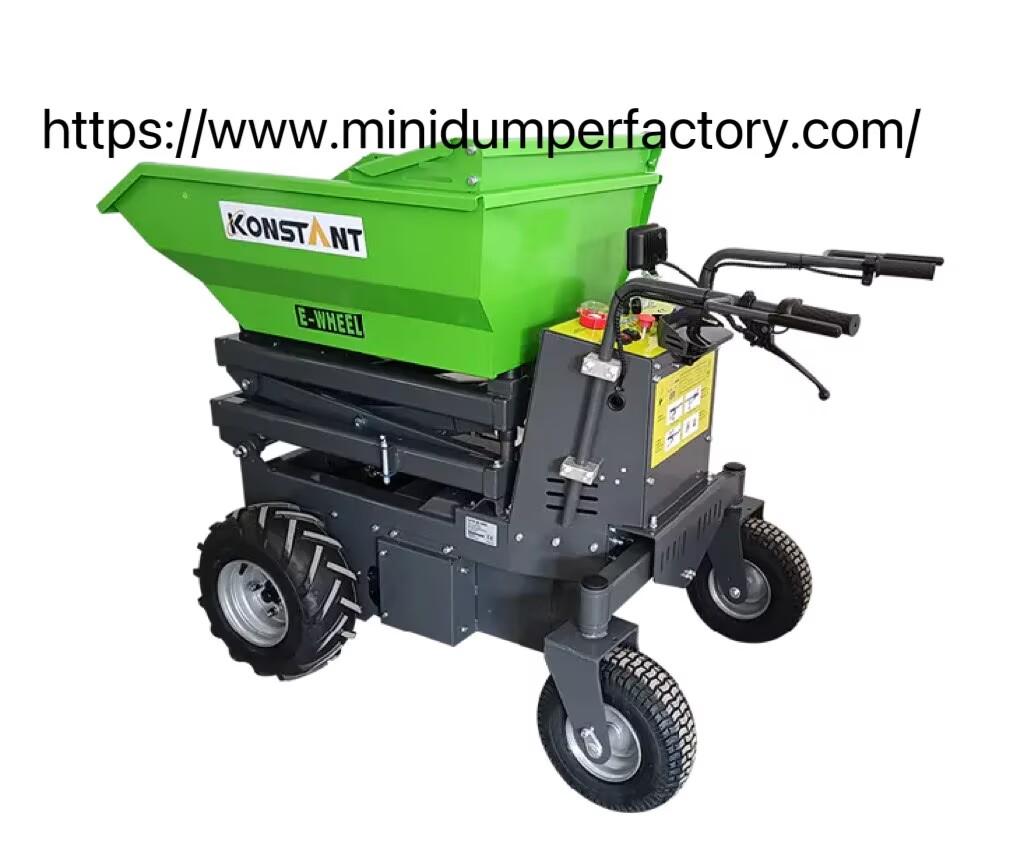
Mini Dumper Factory selection involves more than reviewing product photographs or comparing quotations. For importers, equipment distributors, construction contractors, and rental businesses, choosing a manufacturing partner requires a clear understanding of production arrangements, technical capabilities, customization services, and order management. A careful evaluation before purchasing can help buyers identify whether a manufacturer can meet their commercial requirements and support future business plans.
Review the Product Range Before Discussing Prices
A manufacturing partner should offer product information that allows buyers to understand the available equipment categories and configurations. Different applications may require different machine structures, carrying capacities, unloading arrangements, and driving systems.
For example, construction businesses may need equipment for moving soil, sand, gravel, and building materials. Landscaping companies may focus on transporting garden waste, stones, and planting materials through restricted spaces. Agricultural customers may have different requirements for moving feed, crops, and other farm supplies.
Before requesting a quotation, buyers should identify their target applications and ask for relevant product catalogs, specification sheets, and operating videos. These materials provide a practical starting point for comparing available models.
Examine the Manufacturing Process
Production arrangements can influence order consistency, delivery planning, and communication between buyers and manufacturers. Rather than relying only on a company introduction, purchasing teams can ask how an order moves from specification confirmation to assembly, inspection, and packaging.
Useful questions include:
Which production stages are completed in-house?
How are components prepared before assembly?
Are technical specifications recorded for each order?
Can buyers receive production progress updates?
How are specification changes handled during manufacturing?
A clear explanation of these procedures helps buyers understand how their orders are managed. For distributors handling recurring purchases, it is also useful to discuss whether the manufacturer can maintain agreed configurations across different production batches.
Check Material Selection and Structural Details
The machine structure deserves attention because equipment may operate under different working conditions. Buyers can ask about the materials used for the hopper, frame, supporting components, and other important structural sections.
The hopper design should correspond with the type of material being transported. Its dimensions, opening arrangement, and unloading structure can influence how operators load and discharge materials during daily work.
It is also worth reviewing the frame construction, fastening points, surface treatment, and accessibility of components that require routine inspection. Requesting detailed photographs or a product video can help overseas customers examine these features before making a purchasing decision.
Understand Customization and OEM Arrangements
Different markets may have different preferences regarding machine appearance, configuration, branding, and packaging. Importers selling through their own distribution networks may require logo placement, customized colors, product labels, or specific accessories.
Before discussing customization, buyers should prepare clear requirements. Artwork, technical drawings, reference photographs, and packaging instructions can help manufacturers assess the request.
It is also important to confirm whether customized specifications affect minimum order quantities, production schedules, sample arrangements, or additional costs. Both parties should approve the final details in writing before manufacturing begins.
For private-label projects, buyers can also ask how product labels, manuals, and other supplied documents can be prepared for their target markets.
Ask How Product Inspections Are Organized
Inspection arrangements should be discussed before an order is confirmed. Buyers can ask which components and operating functions are checked during assembly and before shipment.
Depending on the selected configuration, inspection items may include:
General appearance and structural condition
Engine or motor operation
Steering and control functions
Hydraulic movement, where applicable
Hopper lifting and unloading operation
Fasteners and important connections
Accessories and supplied documents
For larger orders, buyers may wish to agree on an inspection checklist and acceptance requirements in advance. Photographs, inspection records, and operating videos can also provide useful references for overseas purchasing teams.
Review Maintenance and Spare Parts Support
After delivery, equipment maintenance becomes part of the customer's operating arrangements. Distributors and rental companies should therefore ask about routine service requirements and commonly replaced components.
Important subjects include maintenance intervals, lubrication points, engine servicing, hydraulic component care, track or tire replacement, and access to relevant spare parts.
Buyers should also confirm whether operating manuals, maintenance instructions, and component information are available. These resources can help distributors prepare product information for their customers and organize future service arrangements.
Compare Packaging, Shipping, and Order Communication
International purchasing involves more than production. Packaging dimensions, loading methods, shipping arrangements, and export documentation should also be clarified before the order is finalized.
Ask the manufacturer to confirm the packing method, package measurements, gross weight, order quantity, and required shipping documents. If several models are included in one shipment, each configuration should be identified clearly in the order records.
Communication is another practical consideration. Buyers should know whom to contact regarding technical questions, production updates, inspection arrangements, and delivery coordination. Written confirmations help both parties keep the same understanding throughout the purchasing process.For importers and distributors preparing a new sourcing project, minidumperfactory provides product options for construction, landscaping, agriculture, and other material transportation applications. Buyers can review available models, compare configurations, and prepare their technical requirements before discussing an order. Visit https://www.minidumperfactory.com/product/ to view the product range and contact the manufacturing team about specifications, customization requests, order quantities, and shipping arrangements.

 English
 Arabic
 Spanish
 Portuguese
 Deutsch
 Turkish
 Dutch
 Italiano
 Russian
 Romaian
 Portuguese (Brazil)
 Greek