
What Are the Benefits of Getting a Security Guard License Alabama?
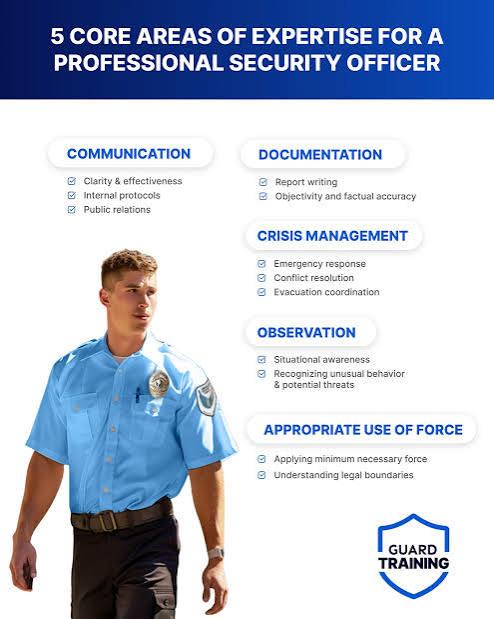
Working as a security officer is an important responsibility that requires knowledge, discipline, confidence, and practical skills. Security officers help protect people, businesses, properties, and valuable assets from different security risks. Whether they work in shopping centers, office buildings, hospitals, residential communities, or industrial facilities, they must be prepared to handle various situations professionally.
For individuals who want to start a career in the security industry, proper training is an essential first step. Completing basic security officer training helps beginners understand their duties, develop important workplace skills, and learn how to respond to different security challenges. It also provides valuable knowledge about safety procedures, communication, emergency response, and professional conduct.
Many employers prefer candidates who have completed relevant security training because they are more familiar with industry expectations and workplace responsibilities. Even individuals with previous experience can benefit from additional training to improve their knowledge and performance.
In this article, we will explore 10 important benefits of completing basic security officer training and explain how it can help individuals build a successful career in the security industry.
What Is Basic Security Officer Training?
Basic security officer training is an educational program designed to prepare individuals for entry-level security responsibilities. It introduces students to the essential knowledge and skills required to perform security duties safely and professionally.
These programs generally cover important subjects such as access control, emergency response, observation, communication, incident reporting, conflict management, and workplace safety.
The exact training requirements depend on the state, country, employer, and type of security position. Some locations also require specific licensing or certification before individuals can begin working as security officers.
The main purpose of training is to ensure that individuals understand their responsibilities and know how to respond appropriately to everyday security situations.
10 Benefits of Completing Basic Security Officer Training
Completing professional training offers several advantages for individuals who want to enter or advance in the security industry. Here are ten important benefits to consider.
1. Develops Essential Security Skills
One of the biggest benefits of completing basic security officer training is the opportunity to develop essential security skills.
Security officers need more than physical presence to perform their jobs effectively. They must understand how to monitor their surroundings, identify potential threats, control access to restricted areas, and respond to unusual activities.
Training programs introduce students to these important responsibilities and help them understand how to perform different security tasks.
Some essential skills developed during training include:
-
Monitoring entrances and exits
-
Identifying suspicious activities
-
Observing people and surroundings
-
Following security procedures
-
Managing visitor access
-
Recognizing potential safety risks
-
Reporting unusual incidents
These skills help new officers become more prepared for real workplace situations. They also provide a strong foundation for individuals who want to pursue long-term careers in security.
2. Improves Emergency Response Abilities
Emergencies can happen at any time, and security officers are often among the first individuals expected to respond when something unusual occurs.
A fire, medical emergency, workplace accident, security threat, or evacuation situation can create confusion and panic. Without proper preparation, an officer may struggle to respond effectively.
Basic security officer training helps individuals understand emergency procedures and learn how to respond calmly under pressure.
Depending on the training program, students may learn about:
-
Fire safety and evacuation procedures
-
Emergency communication
-
Medical emergency reporting
-
Incident management
-
Crowd safety
-
Contacting emergency services
-
Following workplace emergency plans
This knowledge helps officers understand their responsibilities during unexpected situations.
Although security officers are not replacements for medical professionals or emergency responders, appropriate training helps them take suitable initial actions within their authority and training.
3. Builds Confidence and Professionalism
Confidence is an important quality for anyone working in the security industry. Security officers regularly interact with employees, customers, visitors, contractors, and management teams.
They may also need to handle difficult conversations, enforce workplace rules, and respond to unexpected situations.
Completing basic security officer training helps individuals become more comfortable with these responsibilities.
Through classroom instruction, practical exercises, and professional guidance, students gain a better understanding of what employers expect from security personnel.
Training also encourages professional behavior, including:
-
Maintaining a respectful attitude
-
Following instructions carefully
-
Communicating clearly
-
Staying calm in stressful situations
-
Taking responsibility for assigned duties
-
Treating visitors and employees professionally
When officers understand their responsibilities, they are more likely to approach their work with confidence and professionalism.
4. Teaches Communication and Conflict Resolution
Communication is one of the most important skills for security officers. They must communicate with different people throughout their shifts and provide accurate information when incidents occur.
Poor communication can create misunderstandings, delays, and unnecessary conflicts.
Security training introduces individuals to effective communication techniques and teaches them how to manage difficult interactions professionally.
For example, an officer may need to explain visitor policies, guide people through an emergency exit, address a complaint, or report suspicious behavior to a supervisor.
Conflict resolution training can also help officers learn how to:
-
Listen carefully to other people
-
Remain calm during disagreements
-
Use respectful language
-
Avoid unnecessary confrontations
-
Recognize escalating situations
-
Follow approved de-escalation procedures
These abilities are particularly valuable for officers working in retail stores, hospitals, residential buildings, and public facilities.
Good communication helps create a safer and more organized environment for everyone.
5. Increases Employment Opportunities
Another important advantage of completing basic security officer training is that it can improve an individual's employment opportunities.
Many security employers look for candidates who have completed relevant training and understand the responsibilities associated with the position.
Although training does not guarantee employment, it can help candidates demonstrate their commitment to professional development.
Training may also help applicants qualify for positions that require specific introductory security knowledge or approved certification.
Potential workplaces for trained security officers include:
-
Commercial office buildings
-
Shopping centers and retail stores
-
Hospitals and healthcare facilities
-
Educational institutions
-
Residential communities
-
Hotels and hospitality businesses
-
Warehouses and industrial facilities
-
Construction sites
-
Event venues
Having relevant training on a resume can help candidates demonstrate that they have taken steps to prepare for professional security responsibilities.
However, applicants should always check individual employer requirements and applicable licensing regulations before applying.
6. Improves Understanding of Security Laws and Responsibilities
Security officers must understand the legal boundaries of their work. They are responsible for maintaining safety, but they must also respect individual rights and follow applicable laws.
Making incorrect decisions can create serious problems for employees, employers, visitors, and organizations.
Basic security officer training introduces students to important legal concepts and professional responsibilities.
Depending on the program and jurisdiction, training may cover:
-
Trespassing and property protection
-
Privacy and confidentiality
-
Legal limitations of security personnel
-
Appropriate use-of-force principles
-
Incident documentation
-
Workplace policies
-
Professional conduct
-
Reporting procedures
Understanding these subjects helps security officers recognize what actions are appropriate in different situations.
It also teaches them the importance of following company policies and contacting law enforcement when an incident requires official intervention.
A strong understanding of legal responsibilities helps officers perform their duties more responsibly and professionally.
7. Strengthens Observation and Reporting Skills
Security officers must pay attention to their surroundings throughout their shifts. Their ability to recognize unusual behavior and report potential risks can help prevent security incidents.
Observation skills are especially important in workplaces with large numbers of employees, visitors, customers, or valuable equipment.
Basic security officer training helps students understand how to observe their environment carefully and identify activities that may require attention.
For example, officers may need to notice:
-
Unauthorized access to restricted areas
-
Unusual movement around a property
-
Damaged doors or security equipment
-
Suspicious packages
-
Workplace safety violations
-
Unusual visitor behavior
Training also teaches the importance of accurate incident reporting.
A professional security report should include relevant information about what happened, when it occurred, where it happened, and which actions were taken.
Accurate reporting helps supervisors understand security concerns and make informed decisions.
8. Prepares Officers for Different Work Environments
Security officers work in many different industries, and each workplace has its own safety requirements and challenges.
An officer working in a hospital may need to understand visitor management and patient safety procedures. Someone working at a shopping center may focus more on customer assistance, theft prevention, and crowd management.
Similarly, officers working in office buildings, warehouses, and residential communities may have different daily responsibilities.
Basic security officer training provides general knowledge that can be useful across multiple workplace environments.
It helps students understand common security procedures and develop skills that can be adapted to different professional settings.
This flexibility can be valuable for individuals who are exploring career opportunities or considering different types of security positions.
Additional specialized training may still be required for certain environments, but basic instruction provides an important starting point.
9. Encourages Career Growth and Professional Development
Completing basic security training is not only useful for entry-level employment. It can also create a foundation for future professional development.
The security industry offers different career paths, and individuals may choose to develop specialized skills as they gain experience.
After completing basic training and meeting applicable licensing requirements, officers may explore additional education in areas such as:
-
Advanced security operations
-
Fire safety
-
First aid and CPR
-
Access control systems
-
Surveillance technology
-
Crowd management
-
Supervisory skills
-
Specialized facility security
Additional qualifications and practical experience may help individuals become eligible for more advanced responsibilities.
For example, experienced officers may eventually pursue positions such as security supervisor, site supervisor, or security operations manager, depending on employer requirements and available opportunities.
Continuous learning helps security professionals remain informed and improve their overall performance.
10. Helps Create a Safer Workplace
The main responsibility of a security officer is to help maintain a safe environment for people and property.
Proper training helps officers understand how to identify potential risks, follow safety procedures, monitor activities, and report concerns before they become more serious problems.
When security personnel understand their responsibilities, they can contribute to a more organized and secure workplace.
Their duties may include:
-
Monitoring entry and exit points
-
Conducting authorized security patrols
-
Reporting maintenance and safety concerns
-
Assisting visitors and employees
-
Following emergency procedures
-
Protecting restricted areas
-
Communicating security concerns to supervisors
These activities help organizations maintain better security practices and improve workplace safety.
Although training cannot eliminate every possible risk, it can help security officers respond more effectively and contribute to a safer environment.
Who Should Complete Basic Security Officer Training?
Basic security training is useful for different types of individuals who want to develop professional security skills.
It is particularly beneficial for:
Beginners entering the security industry: Individuals with little or no security experience can learn the basic responsibilities and expectations of the profession.
Individuals seeking employment: Candidates who want to apply for entry-level security positions can use relevant training to strengthen their professional qualifications.
Current security officers: Existing officers can refresh their knowledge and improve their understanding of workplace procedures.
Career changers: People moving from other industries may benefit from training that introduces them to security operations and professional responsibilities.
Individuals interested in specialized security roles: Basic training can provide a foundation before pursuing additional qualifications for specific security positions.
Before enrolling, candidates should confirm whether their chosen program meets local licensing and employer requirements.
How to Choose the Right Basic Security Officer Training Program
Selecting the right training provider is an important part of preparing for a security career. Not every course offers the same curriculum, learning experience, or certification recognition.
Here are some important factors to consider when choosing a program.
Check Training Approval
Make sure the training provider is approved or recognized by the appropriate licensing authority when required.
This helps ensure that the course meets relevant professional and regulatory standards.
Review the Course Content
Choose a program that covers important subjects such as emergency response, communication, observation, legal responsibilities, and incident reporting.
A well-organized curriculum provides a better foundation for professional security work.
Consider Instructor Experience
Experienced instructors can explain important security concepts and provide practical examples from real workplace environments.
Their guidance can help students understand how to apply their knowledge effectively.
Compare Training Options
Some providers offer classroom-based courses, while others provide online learning or blended training.
Choose a format that matches your schedule and learning preferences, while ensuring that all required practical components are completed.
Understand the Total Cost
Review course fees, examination charges, certification expenses, and any additional licensing costs before enrolling.
Comparing different providers can help you choose a suitable program without overlooking important requirements.
Conclusion
Completing basic security officer training offers valuable benefits for individuals who want to enter the security industry or improve their existing professional skills. From developing essential security knowledge and improving emergency response abilities to building confidence and increasing employment opportunities, proper training provides a strong foundation for career development.

 English
 Arabic
 French
 Spanish
 Deutsch
 Turkish
 Dutch
 Italiano
 Russian
 Romaian
 Portuguese (Brazil)
 Greek