
What Materials Shape the Design of ERG Long Cycle Life Battery
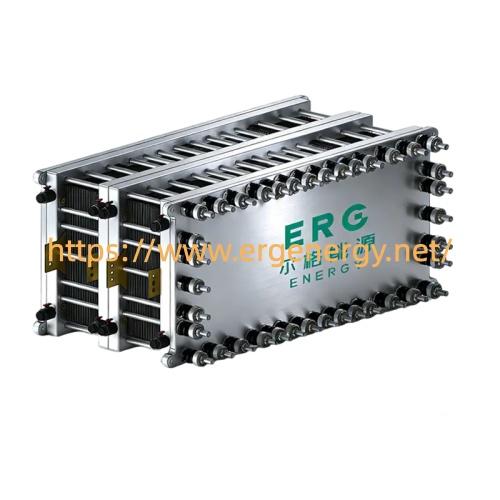
Long Cycle Life Battery technology is attracting attention as energy storage becomes an important part of renewable electricity development. Solar installations, wind power projects, commercial facilities, and industrial operations all have different requirements for storing and using electricity. For manufacturers and research organizations, choosing suitable storage products involves examining material properties, internal construction, thermal behavior, and practical operating conditions.
One important question is how material selection influences the durability of an energy storage product. Different electrode materials have different chemical characteristics, electrical conductivity, and structural behavior. These properties influence how energy is stored and released during repeated operation. Engineers therefore pay attention to material stability and the interaction between electrodes and electrolytes when evaluating product designs.
Electrode composition is an important part of this discussion. Lithium iron phosphate, commonly known as LFP, is widely used in stationary storage applications because of its chemical characteristics and thermal behavior. Other lithium based chemistries are also considered for applications with different requirements. Each material system involves specific considerations relating to energy density, operating conditions, manufacturing processes, and overall system design.
The separator is another component that deserves attention. Positioned between the positive and negative electrodes, it helps prevent direct electrical contact while allowing ions to move through the internal structure. Its porosity, chemical compatibility, mechanical strength, and thermal response influence the overall construction. A suitable separator design contributes to stable internal operation and helps address potential safety concerns.
Electrolyte composition also matters. The electrolyte provides an environment for ion movement during charging and discharging. Its chemical stability and compatibility with electrode materials can influence internal reactions and aging behavior. Manufacturers evaluate different formulations to address operating requirements and maintain consistent product characteristics. These details are particularly relevant when storage equipment is intended for frequent use in commercial or industrial environments.
Thermal management is another subject receiving attention in energy storage engineering. Temperature changes can influence chemical reactions and material degradation. Excessive heat may accelerate unwanted internal reactions, while unsuitable operating conditions can affect energy output and product stability. Cooling arrangements, ventilation, temperature monitoring, and protective controls are therefore important considerations when evaluating a complete storage solution.
For buyers, technical specifications should not be the only consideration. Understanding the intended application is an important starting point. A residential installation may have different priorities from a commercial energy storage project or an industrial backup system. Some users focus on space requirements, while others pay attention to installation conditions, maintenance access, charging behavior, and integration with existing electrical equipment.
Product appearance and structural design also influence the purchasing experience. A well-organized enclosure can make connections easier to identify and support convenient installation. Clear terminal arrangements, accessible inspection areas, and appropriate protective housing contribute to practical equipment management. Buyers should also consider whether the product design fits the available installation environment and whether the supporting equipment is compatible with the intended system.
Another factor worth examining is the battery management system. This electronic control arrangement monitors important operating conditions and helps coordinate charging and discharging. Depending on the design, it may also provide temperature monitoring, voltage observation, current protection, and fault warnings. These functions help users understand equipment status and support more organized system operation.
Renewable energy integration is creating additional interest in storage technologies. Solar and wind installations generate electricity according to environmental conditions, while electricity consumption changes throughout the day. Storage equipment can help manage differences between generation and demand. Businesses are therefore examining how storage solutions can work alongside inverters, monitoring platforms, electrical distribution systems, and renewable generation equipment.
Purchasing teams should also evaluate supplier communication and product documentation. Clear information about material composition, operating conditions, installation requirements, and maintenance procedures helps buyers assess whether a product matches their application. Technical support is another relevant consideration, particularly when products need to be integrated into existing energy systems. A supplier that communicates product information clearly can make the evaluation and purchasing process easier to organize.
ERG focuses on energy storage products and related solutions for organizations involved in renewable energy and industrial applications. When evaluating suitable products, buyers can consider construction materials, internal component arrangements, thermal management, and compatibility with their intended systems. These details help create a more informed purchasing process instead of relying on appearance alone. Businesses interested in energy storage products and related technical solutions can visit https://www.ergenergy.net/ to review the company offerings and learn more about the product direction of ERG. Matching product characteristics with actual application requirements remains an important part of planning an energy storage project.

 Arabic
 French
 Spanish
 Portuguese
 Deutsch
 Turkish
 Dutch
 Italiano
 Russian
 Romaian
 Portuguese (Brazil)
 Greek