
Which Details Should Buyers Confirm with spotwelder?
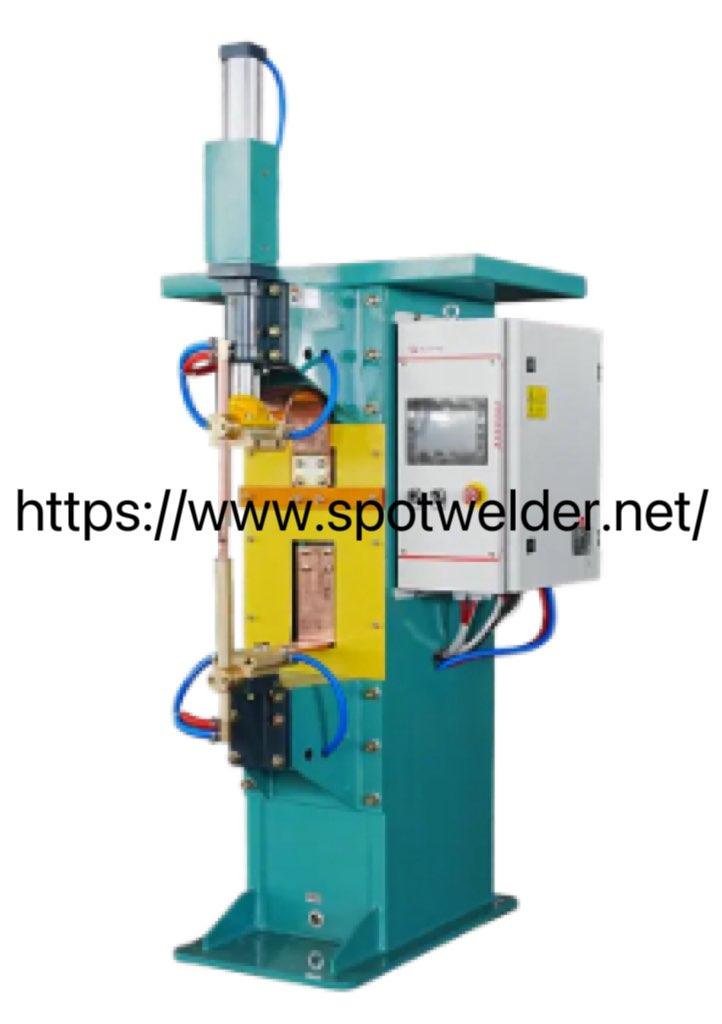
Spot Welder selection involves more than checking a product name or comparing figures on a specification sheet. Buyers need to consider the materials they handle, the shape of each workpiece, the required joint position, and the way production is organized. For importers, distributors, factory owners, and purchasing managers, a clear understanding of these details can make communication with a manufacturer more productive. Preparing the right information before requesting a quotation also helps both parties discuss a suitable configuration.
Start with the Actual Workpiece
A purchasing decision should begin with the parts that will be processed. Different projects may involve steel sheets, stainless steel components, coated metals, wire assemblies, or other conductive materials. Their thickness, surface condition, and physical structure can influence the proposed machine configuration.
Buyers should prepare basic information about their workpieces, including:
Material type and grade
Thickness of each layer
Number of layers to be joined
Dimensions and overall shape
Joint positions and required spacing
Surface coatings or treatments
Photographs, technical drawings, and physical samples can help a manufacturer understand the application. When several product models are involved, buyers should also explain whether one machine needs to handle all of them or whether separate configurations are acceptable.
Consider the Shape and Position of Each Joint
Workpiece geometry can affect how operators position components and how electrodes reach the joining area. A machine that suits a flat panel may not be appropriate for a narrow corner, curved component, or deep assembly.
Before ordering, measure the distance between the intended joint and the edge of the workpiece. Also consider the available space around the component, its loading direction, and whether operators need to rotate it during production.
Arm dimensions, electrode shape, throat depth, and opening distance should be discussed with the manufacturer. These details are particularly relevant when the finished component has bends, raised sections, or restricted access points.
Providing a sample part can make this discussion clearer. It allows the technical team to review the actual working position rather than relying only on general product dimensions.
Review Control Functions and Operating Methods
The control system affects how operators set up and manage a joining cycle. Buyers should consider whether the planned application requires adjustable current, welding time, pressure settings, stored programs, or other control functions.
A simple production task may require a different control arrangement from a workshop handling several component types. If operators frequently change between jobs, a programmable interface may help organize different operating parameters.
Ask the manufacturer to explain the available settings and how operators can adjust them. It is also useful to review the display layout, operating sequence, alarm information, and access to routine adjustments.
The objective is to select functions that support the actual production process. Additional controls should have a clear purpose rather than being included without a defined application.
Check the Installation Environment
A machine must work within the conditions available at the buyer’s facility. Electrical supply, floor space, ventilation, cooling arrangements, and operator access should be reviewed before an order is confirmed.
Buyers can prepare the following details:
Available voltage and power supply
Installation area and machine dimensions
Required compressed air supply, where applicable
Cooling arrangements for the selected configuration
Workbench, fixture, or production line layout
Operator access and material handling direction
These details help the manufacturer identify possible installation issues during the planning stage. They can also reduce unnecessary changes after the machine arrives.
For overseas buyers, it is useful to confirm packaging dimensions, shipping arrangements, installation instructions, and the documentation supplied with the order.
Ask About Sample Testing and Quality Inspection
Product descriptions and technical specifications provide useful information, but buyers should also ask how the proposed configuration will be evaluated for their application.
Sample testing can help examine whether the selected settings and tooling are suitable for the intended workpiece. Buyers should agree on the sample material, thickness, joint position, and inspection requirements before testing begins.
The inspection method should reflect the product’s actual requirements. Depending on the application, this may involve checking weld appearance, indentation, joint consistency, or mechanical performance through an agreed test procedure.
It is also worth asking whether testing records, sample photographs, or operating parameters can be provided for review. Clear evaluation criteria make technical discussions more practical and help buyers understand what a proposed configuration can achieve under defined conditions.
Compare Maintenance Requirements and Spare Parts
Routine maintenance has an important place in production planning. Electrode wear, alignment changes, electrical connections, and cooling conditions may influence operating performance over time.
Before placing an order, ask which parts require regular inspection and how replacement components can be obtained. Buyers should also understand the recommended maintenance intervals and whether common consumables are included in the initial supply.
Useful questions include:
Which components require regular replacement?
Are compatible electrodes and holders available?
What maintenance tools are required?
Are operating manuals supplied?
What technical assistance is available after delivery?
A clear maintenance arrangement helps purchasing teams estimate ongoing operating needs and organize spare-part inventory.
Discuss Customization and Future Production Plans
Some factories have changing product dimensions, different joining positions, or several production tasks within one facility. In these situations, a standard configuration may need adjustments to suit the actual workflow.
At spotwelder, buyers can discuss workpiece samples, technical drawings, electrode arrangements, control requirements, and production layout with the manufacturing team. This information can support a more focused review of possible machine configurations.
It is also useful to explain whether production volume may change, whether new product models are planned, and whether the machine may need to connect with other production equipment in the future. These details help both parties consider practical design requirements before manufacturing begins.For buyers comparing models or preparing a new factory project, a detailed inquiry is a useful starting point. Share your application details and review the available machine options at https://www.spotwelder.net/product/ The spotwelder team can discuss product specifications, application requirements, and possible configurations according to the information provided.

 English
 Arabic
 French
 Spanish
 Portuguese
 Deutsch
 Turkish
 Dutch
 Italiano
 Russian
 Romaian
 Greek