
What Should Buyers Check Before Choosing Chendiao Vertical Metal Cutting Band Saw Machine
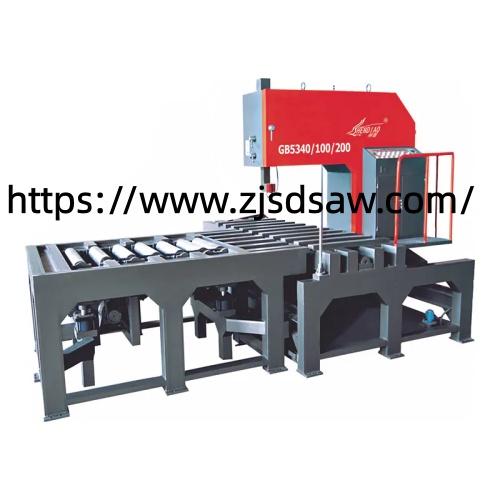
Vertical Metal Cutting Band Saw Machine selection often becomes an important consideration when manufacturers need to process workpieces with different shapes, surface conditions, and structural characteristics. In fabrication workshops, not every component follows a straight processing route. Some projects involve curved outlines, irregular profiles, internal openings, or specially shaped sections. These requirements make equipment flexibility an important subject during purchasing discussions. Businesses need to consider how the working structure, operator control, material handling, and supporting features fit their actual production activities.
One interesting aspect of this equipment category is its ability to accommodate different workpiece shapes. Unlike processing methods that follow a fixed path, a vertical working arrangement allows operators to guide materials according to the intended outline. This can be useful when preparing components for industrial assemblies, custom fabrication, tooling projects, and equipment maintenance. The operator can adjust the direction of the workpiece during processing, making it possible to handle different contours within a suitable working area.
Material compatibility deserves careful consideration as well. Carbon steel, stainless steel, aluminum, copper, and other alloys respond differently during processing. Their hardness, density, surface condition, and internal structure can influence the choice of blade and operating approach. For example, some materials require careful feed control, while others need appropriate support to maintain their position. Buyers should discuss their regular material categories with the supplier rather than assuming that one configuration automatically suits every application.
Blade selection is closely connected with the expected processing result. Tooth arrangement, blade width, material composition, and flexibility can influence how the equipment performs during different tasks. A wider blade may be suitable for relatively straight processing, while a narrower option can provide greater flexibility when following curved outlines. The selection should reflect the workpiece shape and required finish. Operators should also follow the blade manufacturers instructions regarding installation, adjustment, and maintenance.
The worktable is another feature worth examining. A spacious and appropriately arranged table gives operators room to position and guide different workpieces. Its surface should support stable handling, while the surrounding structure should allow convenient access during regular operations. Adjustable guides and suitable positioning accessories can also help workers manage different processing requirements. When reviewing a product, buyers should consider how the table arrangement relates to the size, weight, and shape of their usual materials.
Technology has also influenced the way industrial equipment is operated. Modern manufacturing facilities increasingly consider electronic controls, variable operating settings, and automated assistance when planning equipment purchases. These functions can help coordinate processing activities and reduce unnecessary manual adjustments in suitable applications. However, the control arrangement should remain understandable to operators. A clearly organized interface, accessible operating buttons, and practical instructions can make daily work easier to manage.
Operator experience is not determined by technology alone. Visibility around the working area, comfortable material positioning, accessible adjustment points, and suitable protective structures also influence everyday use. Workers need enough room to observe the processing path and guide workpieces according to established procedures. Lighting around the working area can also help operators identify alignment details. These design considerations deserve attention because they influence how comfortably equipment can be integrated into an existing workshop.
Safety arrangements should be part of every purchasing evaluation. Protective covers, emergency stopping functions, suitable blade guards, and clear operating instructions help establish a more controlled working environment. Employees should receive appropriate training before operating industrial equipment. Workpieces should be positioned securely, and operators should follow the supplier instructions for maintenance and operation. A suitable working layout can also help reduce unnecessary movement around active processing areas.
Another consideration is the relationship between equipment design and workshop space. Some businesses have dedicated production areas, while others need to accommodate several different operations within a shared facility. Buyers should consider installation access, material storage, operator movement, electrical arrangements, and maintenance space. Thinking about these details before purchasing can help prevent difficulties during installation and support smoother coordination between different production activities.
Maintenance planning should also influence the final decision. Regular inspection of blade condition, guide components, drive systems, and electrical connections helps businesses organize equipment care. Cleaning work surfaces and removing accumulated processing debris can support orderly operation. Buyers may also ask suppliers about replacement components, technical documentation, maintenance procedures, and service arrangements. These discussions provide useful information about the responsibilities involved in long term equipment ownership.
Chendiao develops industrial processing equipment for different manufacturing applications, with product categories covering horizontal and vertical configurations, CNC controlled equipment, automatic solutions, and customized models. Its product development approach takes account of different workpiece requirements and production environments. Businesses with specialized projects can communicate their application details to discuss suitable equipment arrangements. This provides purchasing teams with an opportunity to evaluate product structure, working methods, and configuration options before making a decision.
When comparing suppliers, buyers should look beyond product appearance and consider how equipment will perform within their actual production workflow. Material compatibility, worktable arrangements, operator convenience, maintenance access, and technical communication all deserve attention. Providing drawings, photographs, and examples of intended workpieces can help manufacturers understand project requirements. This type of preparation also makes discussions about customization and equipment selection more productive.
For businesses planning to expand their fabrication capabilities or update existing workshop facilities, choosing a manufacturer that can discuss practical application requirements is an important step. Chendiao welcomes inquiries from international customers interested in industrial processing equipment and customized solutions. You can visit the official website at https://www.zjsdsaw.com/ to view company information, review its product offerings, and contact the team about your manufacturing plans. Matching equipment configuration with actual working conditions can help businesses establish a more suitable production arrangement.

 Arabic
 French
 Spanish
 Portuguese
 Deutsch
 Turkish
 Dutch
 Italiano
 Russian
 Romaian
 Portuguese (Brazil)
 Greek