
Can a Spot Welder Match Your Workshop Requirements?
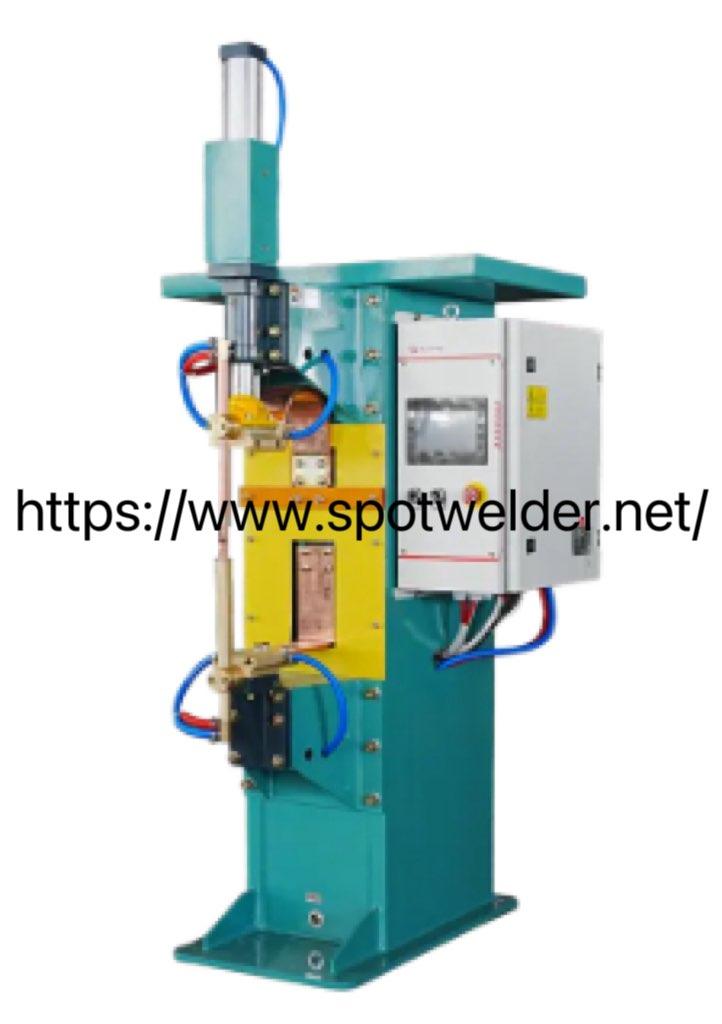
Spot Welder purchasing decisions should begin with a clear picture of the products a factory intends to manufacture. Machine specifications alone cannot explain whether a proposed model will fit a particular workshop or production process. Buyers need to consider component structures, joining positions, daily output targets, operator routines, and available installation conditions. Preparing this information before requesting a quotation helps both parties discuss practical requirements and develop a suitable configuration.
Prepare a Detailed Product Information Package
Before contacting a manufacturer, organize the information related to your workpieces. Include product drawings, dimensions, material grades, surface conditions, sheet combinations, and the locations where joints are required.
Photographs can help explain areas that are difficult to describe through written specifications. If a component has narrow corners, curved surfaces, or several joining positions, mark these details on the drawings.
It is also useful to prepare several representative samples. A supplier can use them to examine the physical structure and discuss possible machine arrangements. Providing complete information at this stage can reduce repeated communication and help avoid assumptions during quotation preparation.
Match the Machine Structure to Your Product Design
Different products require different working arrangements. A compact component may need a small operating area, while a larger assembly may require extended arms, additional clearance, or a specially designed support structure.
Buyers should examine the distance between the electrodes, the opening space, the working height, and the available access around each joining position. These measurements help determine whether operators can position components conveniently.
Consider how the machine will handle products with different dimensions. If the factory frequently changes product models, interchangeable fixtures or adjustable supports may be useful. If production involves a fixed product range, a dedicated fixture may offer a more straightforward operating arrangement.
Discuss these options with the manufacturer and request a layout drawing when the proposed structure is customized.
Understand the Relationship Between Operating Parameters
Electrical output, pressure, and processing time should be considered together rather than as separate purchasing figures. Their appropriate combination depends on the material, component structure, and required joint characteristics.
Ask the supplier to explain the available adjustment range and how operators can set the required parameters. It is also important to understand whether the control unit supports different operating programs.
For factories producing several component models, stored settings may help organize production changes. However, each program should be checked against the actual workpiece before regular use.
Buyers should also ask which operating values can be monitored during production. Clear information about adjustment and monitoring functions makes it easier for factory personnel to manage daily operations.
Review Operator Convenience and Working Rhythm
Machine selection should account for the people who will use it every day. Consider component loading, positioning, clamping, unloading, and the movement of finished products.
A machine that requires repeated awkward handling may interrupt the production rhythm. Buyers should therefore examine pedal or control arrangements, worktable height, access to operating buttons, and the space available for handling materials.
Estimate the expected number of joining points per product and the quantity of products planned for each shift. These figures help the supplier discuss the expected working cycle and whether additional fixtures or handling arrangements are needed.
If several operators will share the same machine, ask about training materials and the steps required to change settings between product models.
Arrange a Product Trial With Clear Acceptance Conditions
A demonstration should be organized around the buyer's actual application. Sending a generic sample may not provide enough information about how a proposed model will perform with regular factory products.
Before testing, agree on the sample quantity, material specifications, inspection method, and expected results. Record any requirements related to appearance, joint position, surface marks, and mechanical performance.
Ask the manufacturer to explain the test arrangement and provide a record of the selected operating settings. If the product has several joining positions, test different locations rather than examining only one area.
Buyers should also discuss what happens if the sample does not meet the agreed conditions. The supplier may need to review the fixture, electrode arrangement, or operating settings before another test is arranged.
Check Utilities, Installation, and Service Arrangements
Workshop preparation can affect the installation schedule. Confirm the required electrical supply, available floor space, ventilation conditions, cooling arrangements, and any additional connections before delivery.
The installation area should provide sufficient access for operators and maintenance personnel. If the machine will be placed within an existing production line, discuss material transfer and the space required for surrounding operations.
Service arrangements should be clarified before the order is confirmed. Buyers can ask about spare part availability, maintenance instructions, warranty coverage, technical communication, and the expected response procedure when a machine requires attention.
It is also useful to identify which tasks can be handled by factory personnel and which require assistance from the supplier. This makes future maintenance planning easier.
Put Technical Details Into the Purchase Agreement
A quotation should clearly describe the proposed configuration, supplied accessories, delivery scope, installation responsibilities, and training arrangements. Buyers should compare these details rather than reviewing the purchase price alone.
Important technical requirements should be recorded in the order documents. These may include the intended product range, material specifications, operating functions, sample acceptance conditions, and agreed delivery arrangements.For manufacturers seeking practical solutions for metal component production, spotwelder provides product options for different application requirements. Buyers can visit https://www.spotwelder.net/product/ to review available models and communicate their product drawings, sample details, and production plans. Sharing these requirements before ordering helps the supplier understand the intended application and prepare a more relevant proposal.

 Arabic
 French
 Spanish
 Portuguese
 Deutsch
 Turkish
 Dutch
 Italiano
 Russian
 Romaian
 Portuguese (Brazil)
 Greek