
Can Caifu Industrial Water Pump Support Demanding Industrial Applications
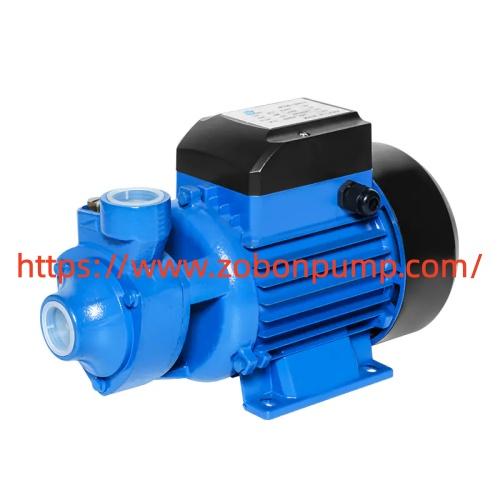
Industrial Water Pump selection is a decision that reaches far beyond equipment purchasing. In manufacturing facilities, processing plants, agricultural projects, and infrastructure developments, fluid movement is closely connected with daily operations. Buyers are increasingly looking at how equipment fits into an entire working environment rather than focusing only on the initial purchase. Material compatibility, installation conditions, maintenance access, and operating requirements all deserve attention before a purchasing decision is made.
One detail that often receives less attention is the relationship between construction materials and the actual application. Different facilities handle different types of liquids, and the surrounding conditions can vary considerably. Temperature changes, chemical exposure, suspended particles, and operating environments may all influence material selection. Metal construction, protective coatings, sealing components, and internal contact surfaces should therefore be considered together. A material that works well in one setting may require a different configuration in another. Buyers should discuss the intended application with manufacturers before confirming a suitable product.
The appearance of a machine may seem secondary when compared with its mechanical function, but thoughtful structural design can influence everyday use. A well-organized exterior can make equipment easier to position, inspect, and integrate into an existing facility. Component arrangement also matters when technicians need to access connections or carry out routine checks. For companies planning a new installation, it is worth considering the available floor space, surrounding equipment, pipe layout, and maintenance access at an early stage.
Another interesting topic is how changing production schedules influence equipment selection. Some facilities operate continuously, while others experience frequent changes in demand. A system designed around a fixed operating pattern may not suit a site with changing requirements. Buyers should examine how frequently the equipment will run, whether demand changes throughout the working day, and how the surrounding control system manages these variations. These details help engineering teams evaluate whether a proposed configuration matches the actual working process.
Technology also plays a role in modern fluid handling. Control arrangements, motor selection, monitoring functions, and protective components can influence how equipment operates within a larger system. Some projects may benefit from variable speed control when demand changes, while other applications may require a straightforward operating arrangement. The important point is to match available functions with genuine project needs. Adding unnecessary features can make operation and maintenance more complicated without providing practical value.
Energy use deserves attention as well. The electricity consumed during daily operation can influence long term operating expenses, particularly in facilities where equipment runs for extended periods. However, energy considerations should not be separated from the wider system design. Pipe resistance, installation layout, fluid characteristics, and operating schedules can all affect the overall result. Reviewing these factors together gives buyers a clearer picture of how equipment may perform under actual working conditions. The US Department of Energy also highlights system requirements and operating conditions as important considerations during selection.
Maintenance planning is another subject worth discussing before a purchase is finalized. Equipment that requires regular inspection should allow technicians to reach relevant components without unnecessary difficulty. Buyers can ask about routine service procedures, replacement parts, sealing arrangements, and technical support. Understanding these details beforehand can make future maintenance planning more straightforward. It also helps purchasing teams compare different proposals beyond their initial prices.
The experience of installation personnel should not be overlooked. A product may appear suitable on paper, but actual site conditions can introduce additional challenges. Foundation arrangements, electrical connections, inlet and outlet positions, surrounding ventilation, and existing pipework all need consideration. Cooperation between equipment suppliers, engineering teams, and installation contractors can help identify potential issues before work begins. Clear technical communication also reduces misunderstandings during project preparation.
Different industries have different expectations. Food processing facilities may pay particular attention to hygiene and material compatibility. Chemical processing environments may require careful consideration of corrosion resistance. Agricultural projects can involve changing seasonal demands, while manufacturing facilities may focus on production continuity and maintenance arrangements. These differences explain why purchasing decisions should begin with a clear understanding of the intended application rather than relying on a general product description.
For distributors and project contractors, supplier communication is equally important. Product documentation, configuration discussions, application guidance, and after sales support can all influence the purchasing experience. A supplier that understands the requirements of different projects can help buyers identify relevant options and communicate technical details more clearly. It is also useful to discuss customization possibilities when standard configurations do not fully match an installation plan.
When reviewing available solutions, buyers should prepare a list of practical questions. What type of liquid will be handled? What environmental conditions will the equipment face? How will it connect with the existing system? Which maintenance tasks need to be performed regularly? Are operating requirements expected to change over time? Answering these questions creates a more useful foundation for comparing products and discussing project details with manufacturers.
As production processes and resource management requirements continue to evolve, equipment selection is becoming an increasingly connected part of facility planning. Material choices, mechanical structure, operating controls, installation arrangements, and maintenance considerations all contribute to the overall purchasing decision. Caifu focuses on providing product options for customers evaluating fluid handling requirements across different applications. Buyers, distributors, and project planners can visit https://www.zobonpump.com/ to review the company website and discuss product details, application needs, and potential cooperation opportunities.

 English
 Arabic
 French
 Portuguese
 Deutsch
 Turkish
 Dutch
 Italiano
 Russian
 Romaian
 Portuguese (Brazil)
 Greek