
What Can Buyers Confirm with relayfactory Before Ordering?
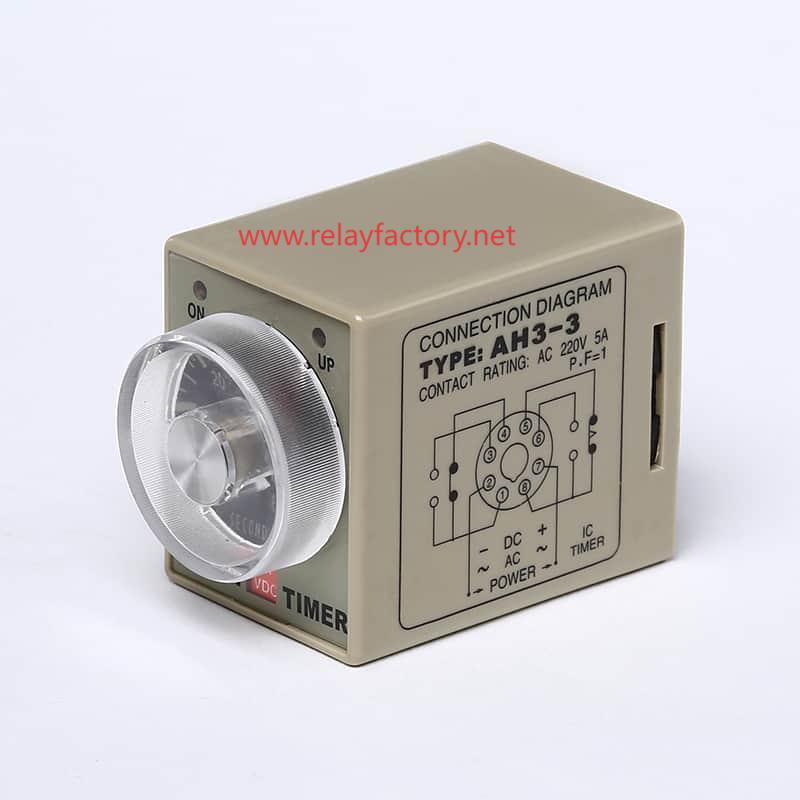
Time Relay Wholesaler selection plays an important role in purchasing decisions for electrical distributors, industrial equipment suppliers, automation contractors, and businesses serving commercial markets. Buyers need to look beyond unit prices and consider product variety, quotation details, order flexibility, packaging, and delivery arrangements. A structured evaluation can help purchasing teams select a supplier whose business arrangements match their distribution needs.
Identify the Models Your Market Requires
Before requesting a quotation, review the product requirements of your existing and potential customers. Different applications may call for different operating functions, voltage options, contact configurations, adjustment ranges, and installation methods. Understanding these differences can help buyers prepare a more accurate purchasing request.
Create a product list based on the equipment and industries you serve. Include the model references, electrical requirements, installation conditions, and expected application. If your customers use several types of control systems, organize their requirements separately instead of treating all products as interchangeable.
Ask the supplier for a catalogue, model descriptions, and relevant technical documents. These materials can support product comparisons and help your sales team answer questions from distributors, installers, and equipment manufacturers.
Compare Quotations Using the Same Requirements
Wholesale prices should be evaluated alongside the conditions attached to each offer. A quotation may vary according to model selection, order quantity, packaging, customization, and shipping arrangements. Comparing prices without checking these details can lead to an inaccurate purchasing decision.
Request an itemized quotation that identifies each model, unit price, minimum order quantity, and applicable commercial terms. If you plan to purchase several configurations, ask the supplier to list them separately. This makes it easier to calculate the purchasing budget and compare offers on an equal basis.
Buyers should also confirm quotation validity, payment methods, deposit requirements, and possible additional charges. Keep the confirmed commercial details in written records so that the purchasing team and supplier can refer to the same agreement during order processing.
Check Minimum Order Quantities and Model Combinations
A wholesale arrangement should fit the scale and structure of your business. New distributors may prefer a limited opening order to assess local demand, while established importers may purchase larger quantities for warehouse inventory and customer projects.
Discuss minimum order quantities for individual models. If you need several configurations, ask whether mixed-model purchasing is available and how the quantity is calculated. This information can help you decide whether to purchase a broad selection or focus on products with regular demand.
Inventory planning also deserves attention. Review sales records, current stock, pending customer orders, and expected demand before confirming quantities. Avoid placing an order based only on a general sales target. A product-specific purchasing plan can help reduce excess stock and make warehouse management easier.
Evaluate Samples and Product Documentation
A sample gives buyers an opportunity to examine a product before making a larger purchasing commitment. Ask whether samples are available, what charges may apply, and which model references will be supplied.
During evaluation, compare the sample with the technical information provided by the supplier. Check product identification, terminal layout, external dimensions, adjustment controls, and other details relevant to your application. If compatibility with existing equipment is important, arrange an appropriate technical assessment before approving the model.
Documentation should also be part of the review. Request available product specifications, installation instructions, and other relevant materials. Keep the approved sample information and model references in your purchasing records. This can help reduce confusion when arranging repeat orders or answering customer inquiries.
Discuss Packaging and Private Label Requirements
Packaging can influence how products are stored, transported, and presented to customers. Distributors may require standard cartons, individual product labels, barcodes, instruction sheets, or customized packaging for their sales channels.
Explain your requirements before confirming the order. Ask which packaging options are available, what artwork or information must be provided, and whether customization affects the minimum quantity or quotation. For private label projects, confirm logo placement, printed content, and packaging approval procedures in writing.
Also review carton quantities and shipping marks. Clear packing instructions can help warehouse staff identify products and organize incoming goods after delivery.
Confirm Delivery and Order Communication
Before placing an order, clarify production arrangements, dispatch estimates, shipping methods, and the documents supplied with the shipment. Importers should understand which party handles freight coordination and which charges are included in the quotation.
Communication is another practical consideration. Buyers should know who will handle quotation questions, technical inquiries, order updates, and issues reported after delivery. Written order confirmations should identify the selected models, quantities, prices, packaging instructions, and agreed shipping conditions.
A clear process helps both parties manage changes without relying on scattered messages. It also gives purchasing teams a useful record for checking order progress and preparing future stock requirements.
Build a Consistent Supplier Evaluation Process
Before making a final decision, compare potential suppliers using the same checklist. Review product range, technical documents, quotation transparency, minimum quantities, sample arrangements, packaging flexibility, delivery responsibilities, and communication procedures.Do not base the decision on one attractive price alone. Consider how each supplier's product information and commercial arrangements fit your business model. For distributors, a clearly documented purchasing process can support inventory control, customer service, and repeat business.Businesses sourcing electrical control products can visit relayfactory at https://www.relayfactory.net/ to review available product information and discuss model selection, wholesale quantities, packaging requirements, and purchasing arrangements with the company.

 English
 Arabic
 French
 Spanish
 Portuguese
 Turkish
 Dutch
 Italiano
 Russian
 Romaian
 Portuguese (Brazil)
 Greek