
What Should Manufacturers Check Before Choosing Welding Automation Equipment?
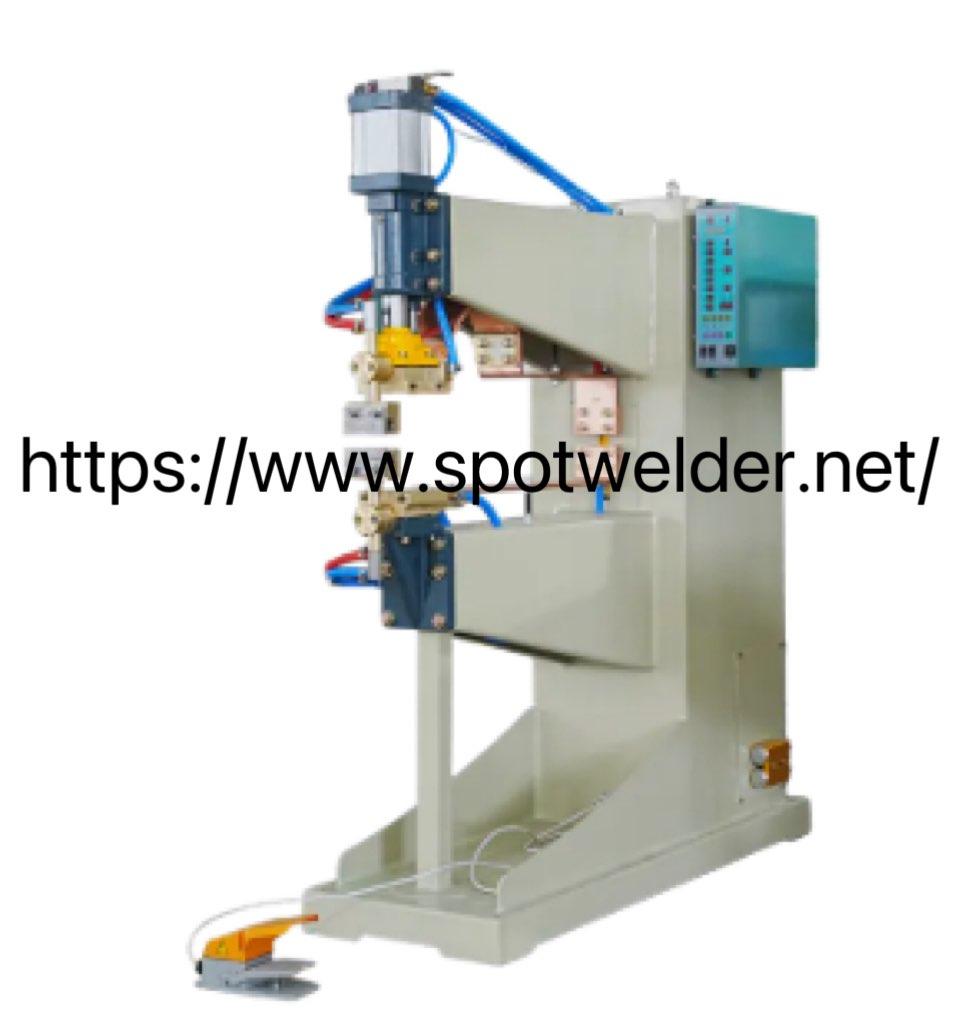
Welding Automation Equipment can help manufacturers organize repetitive metal-joining tasks and establish a structured production workflow. Selecting a suitable system requires more than comparing machine dimensions or purchase prices. Buyers should consider workpiece geometry, joining requirements, fixture arrangements, production volume, operator access, and maintenance planning. Defining these factors before contacting a supplier helps purchasing teams communicate their needs clearly and assess whether a proposed configuration suits their manufacturing environment.
Define the Application Before Selecting a Machine
Start by identifying the materials, thicknesses, dimensions, and connection points involved in the production process. Different products require different joining methods, so the proposed configuration should reflect the physical characteristics of each workpiece and the intended finished result.
Prepare drawings, photographs, and representative samples where possible. Include information about connection points, product variations, appearance requirements, and applicable strength criteria. These details allow the engineering team to evaluate the application before recommending a suitable machine arrangement.
Manufacturers producing consistent metal components may need a different setup from businesses handling frequent product changes. Defining the application early helps buyers focus their budget on functions that support actual production requirements.
Evaluate Fixture Design and Positioning
Fixtures hold components in the required positions during processing. If parts move between operations, the resulting joints may not align with their intended locations. Buyers should review how each component is loaded, positioned, clamped, and removed.
Ask whether the proposed tooling matches the workpiece dimensions and whether adjustments are needed for different models. Consider clamp accessibility, clearance around the processing area, and the space required for loading and unloading.
For projects involving multiple product variations, discuss interchangeable fixtures or adjustable positioning arrangements. These options may simplify changeovers when appropriate for the application. Testing representative samples before production can help determine whether the tooling supports the intended sequence and allows operators to handle parts comfortably.
Calculate the Expected Production Cycle
Selection should reflect the factory’s actual workload. Buyers should estimate the number of parts required per shift, the planned operating schedule, and the time needed for loading, positioning, processing, inspection, and unloading.
Ask the supplier to demonstrate the expected cycle using representative workpieces. The duration of one joining operation does not necessarily represent the full time required to complete an assembly. A realistic estimate should account for operator interaction, product changes, routine adjustments, and necessary inspection steps.
It is also useful to consider future product development. If additional workpiece sizes or connection points may be introduced, discuss whether the proposed configuration can accommodate those changes. Assess flexibility against practical plans, available floor space, and budget limits.
Check Controls and Operator Accessibility
The control interface affects how operators start a cycle, select programs, adjust permitted settings, and respond to alarms. Buyers should request a demonstration of the main operating steps and consider whether the interface suits the experience level of the intended workforce.
Review access to the loading area, control panel, adjustment points, and service locations. A well-planned arrangement can reduce unnecessary movement between tasks and make routine operation easier to organize. Training requirements should be agreed upon before installation so personnel understand normal operation and basic troubleshooting procedures.
Safety arrangements also need careful review. Depending on the machine design, these may include protective guards, interlocks, emergency stops, and other safeguards. Confirm that the proposed system addresses the working environment and relevant local requirements before regular production begins.
Establish Inspection and Maintenance Procedures
Buyers should determine how finished components will be checked and how the machine will be maintained. Ask the supplier to explain which settings need monitoring, which inspection methods suit the application, and what production records should be retained.
Before approving a sample, agree on acceptance criteria. Depending on the product, evaluation may include joint position, surface appearance, dimensions, or specified mechanical tests. The appropriate procedure should reflect the intended application rather than relying on one method for every product.
Maintenance planning should cover routine cleaning, inspection intervals, wear components, and replacement part availability. Ask which tasks can be handled by trained in-house personnel and which may require technical assistance. Clear arrangements help production teams schedule servicing and prepare for potential interruptions.
Prepare a Detailed Purchasing Specification
A written project specification makes communication between the buyer and manufacturer more practical. It should include workpiece drawings, materials, joining requirements, expected output, available floor space, power supply details, operator workflow, and customization requests.
Buyers should also clarify the scope of delivery, installation responsibilities, training arrangements, sample approval, production schedule, packaging, and after-sales support. Unresolved technical questions should be recorded for discussion rather than left to assumptions.For manufacturers planning a new metal-joining process or updating an existing production line, spotwelder offers a starting point for discussing application requirements, machine configurations, and project specifications. Visit https://www.spotwelder.net/product/ to review available products and contact the team about workpiece requirements, customization options, sample evaluation, and production planning.

 English
 Arabic
 French
 Spanish
 Portuguese
 Deutsch
 Turkish
 Dutch
 Russian
 Romaian
 Portuguese (Brazil)
 Greek