
Why Choose Zhiguang Industrial Plastic Pallets for Daily Handling
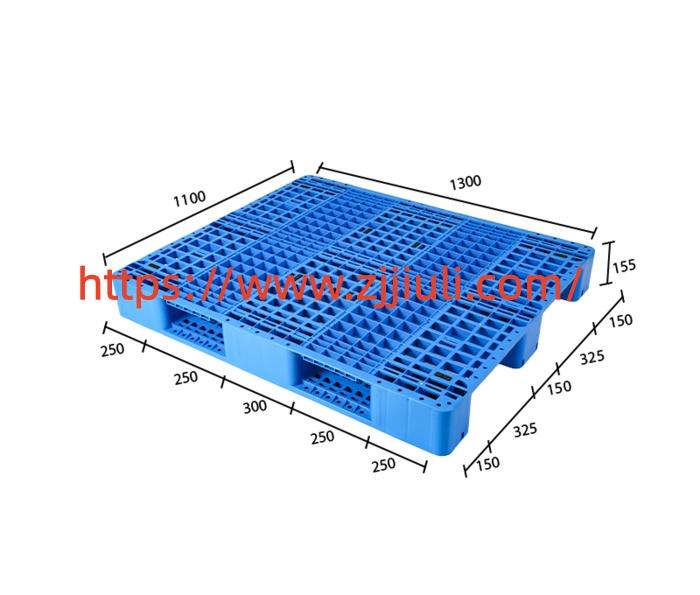
Industrial Plastic Pallets can help warehouses coordinate the movement of goods from receiving areas to storage zones and shipping docks. When daily orders involve different product sizes, frequent transfers, and tight delivery schedules, a consistent handling system can make work easier to organize. The real value comes from matching each platform to the facility layout, load requirements, and equipment already in use, rather than choosing a product based on appearance alone.
A warehouse often handles several tasks at the same time. One team unloads incoming materials, another checks quantities, and a third prepares outgoing orders. If goods are placed on inconsistent supports, employees may need to rearrange loads before moving them to their next destination. Using compatible dimensions across suitable product categories can help establish a more predictable workflow. Staff can follow familiar procedures, while supervisors can plan storage locations with fewer unexpected adjustments.
Start with the movement of goods. Before selecting a platform, map the route that products take through the facility. Consider where deliveries arrive, where inventory is inspected, how goods enter storage, and where completed orders are collected. Measure aisle widths, turning areas, door openings, and available clearance around workstations. These details help determine the dimensions and entry configuration required for routine handling. A design that fits one department may not suit another, especially when equipment and storage arrangements differ.
Equipment compatibility deserves particular attention. Forklifts and manual pallet trucks require appropriate entry openings and clearance, while conveyor systems may depend on consistent dimensions and a stable underside. Automated storage equipment can introduce additional requirements for dimensional tolerances and structural deflection. Buyers should confirm these specifications with the equipment provider and the manufacturer before placing an order. Where possible, testing a sample in the intended working environment can help identify alignment issues before a larger quantity is purchased.
Load planning is another important part of efficient handling. Start by recording the average and maximum weight of the goods, then consider how that weight will be distributed. Uniformly arranged cartons create different loading conditions from drums, machinery components, or products with concentrated weight. Ask the supplier to clarify the rated capacity for stationary storage, movement, and rack-supported applications. These ratings describe different conditions, so one figure should not be used to represent every situation. Correct loading practices and suitable support arrangements also matter when evaluating performance.
Warehouse organization can improve when products have assigned locations. Different categories can be grouped by destination, frequency of movement, or storage requirements. Clear labels help employees identify the correct load without repeatedly opening packages or moving unrelated goods. Heavier items should be positioned with stability and safe handling in mind, while aisle space should remain clear for equipment and personnel. These routines are especially useful during busy periods, when incoming deliveries and outgoing orders compete for the same working space.
Material choice affects how a product fits the operating environment. Buyers should consider exposure to moisture, temperature changes, cleaning agents, and repeated impacts. Structural details such as deck design, reinforcing ribs, base configuration, and surface finish can also influence suitability. If the facility handles food ingredients, pharmaceutical supplies, or other products with specific hygiene requirements, confirm whether the material and design meet the relevant application standards. Product specifications should be checked carefully instead of assuming that all models offer the same features.
The purchasing process should include more than an initial price comparison. Consider expected usage frequency, inspection needs, cleaning procedures, storage of empty units, and transport between locations. A design that nests when empty may help reduce return-trip space, while another configuration may be required for rack-supported storage. Discuss these differences with the manufacturer and compare the options against actual operating conditions. Keeping a record of dimensions, load ratings, and inspection requirements can also help purchasing teams maintain consistency when replenishing stock.
Zhiguang provides product options for businesses reviewing their warehouse handling requirements. Before requesting a quotation, prepare the load dimensions, expected weight, equipment type, storage method, order quantity, and any customization needs. These details help clarify which specifications deserve attention and support a more focused discussion with the supplier. Visit https://www.zjjiuli.com/product/ to review the available range and identify options for your operation. Matching product design to real working conditions can help teams coordinate goods movement, maintain organized storage areas, and build more consistent handling procedures.

 English
 Arabic
 French
 Spanish
 Portuguese
 Deutsch
 Dutch
 Italiano
 Russian
 Romaian
 Portuguese (Brazil)
 Greek