
How Can Mansen Beach Tent Supplier Meet Your Retail Needs
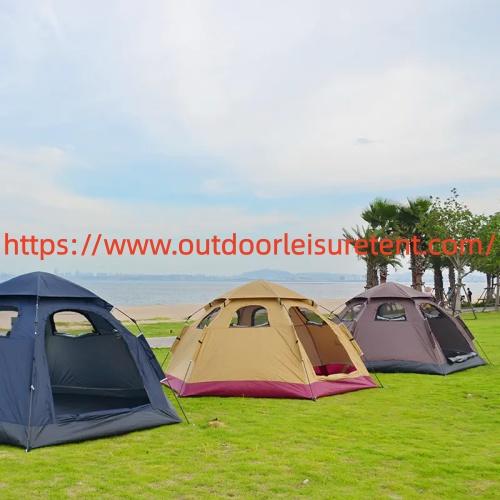
Beach Tent Supplier selection can shape the way retailers develop their outdoor product ranges, manage purchasing budgets, and respond to customer expectations. For importers and private label brands, choosing a manufacturing partner involves more than reviewing a price list. Product construction, available specifications, communication, and production arrangements all deserve attention before an order is confirmed. A careful evaluation helps buyers understand what they are purchasing and whether the proposed products fit their business plans.
Start by identifying the people who will use the product. Families spending a day by the sea may want generous shade, enough room for bags, and an opening that makes access convenient. Travelers may prefer lightweight designs that fold into a compact carrying case. Retailers serving several customer groups could benefit from offering different sizes, colors, and setup methods. These decisions help narrow the product range before discussions with a factory begin.
Material specifications should be reviewed in detail. Fabric weight, composition, coating, stitching, and colorfastness can influence appearance, portability, maintenance, and service life. Buyers should ask how the material performs under the conditions described for the intended use. If a product is marketed with claims about ultraviolet protection or water resistance, request relevant test reports and confirm that the results apply to the actual design. Clear documentation also helps businesses prepare accurate product descriptions for their own customers.
The frame and connection points need practical evaluation. Different pole materials and joint designs can affect overall weight, assembly, and handling. Ask how the structure is secured on sand and whether the package includes the required pegs, ropes, or other accessories. A sample review should include opening and folding the product several times, checking the connections, and examining the seams. Buyers can also assess whether the instructions are easy to follow without additional assistance.
Measurements deserve attention before an order moves into production. Product dimensions when opened determine how much usable space customers receive, while packed dimensions affect storage, shipping, and retail presentation. Request both sets of measurements, along with the product weight and a list of included components. If a particular size is intended for families or groups, consider how people will sit, move, and store personal belongings inside the shaded area.
Pricing requires the same level of detail. Two quotations may appear similar but cover different materials, accessories, packaging, or printing services. Ask whether sample charges, artwork preparation, individual packaging, and freight are included. Minimum order quantities should also be clear. Comparing quotations against an identical specification gives purchasing teams a more realistic view of the total cost and helps them avoid unexpected expenses after production has started.
Customization is another consideration for businesses building their own outdoor brands. Logo printing, fabric colors, carrying bag designs, labels, and retail packaging can help a product match an existing collection. Before approving artwork, confirm its dimensions, placement, color requirements, and printing method. Buyers should also ask whether changes to the design affect sample preparation, material purchasing, or delivery dates. Mansen offers outdoor leisure products that buyers can review when considering options for their planned assortment.
Production communication can influence the entire purchasing experience. Establish who will confirm specifications, provide progress updates, approve samples, and respond to questions about changes. It is helpful to agree on inspection procedures before manufacturing begins, including which details will be checked and how discrepancies will be handled. Keeping approved samples, written specifications, and order records creates a shared reference for both parties throughout the process.
Timing matters when preparing for the summer sales period. Product selection, sample approval, manufacturing, packaging, and transportation all require time, particularly when custom details are involved. Retailers should discuss realistic schedules early and allow room for shipping delays or adjustments. Forecasting demand by region and sales channel can also help buyers choose order quantities without committing more inventory than their business can reasonably handle.
A well planned purchasing decision combines practical product checks with clear commercial arrangements. Buyers who compare materials, test samples, confirm costs, and agree on production details can reduce uncertainty before committing to a new collection. Businesses considering portable shade products can review the range offered by Mansen and compare available designs with their intended market requirements. Visit https://www.outdoorleisuretent.com/product/ to view the product selection and identify suitable options for your next seasonal assortment.

 English
 Arabic
 French
 Spanish
 Portuguese
 Turkish
 Dutch
 Italiano
 Russian
 Romaian
 Portuguese (Brazil)
 Greek